
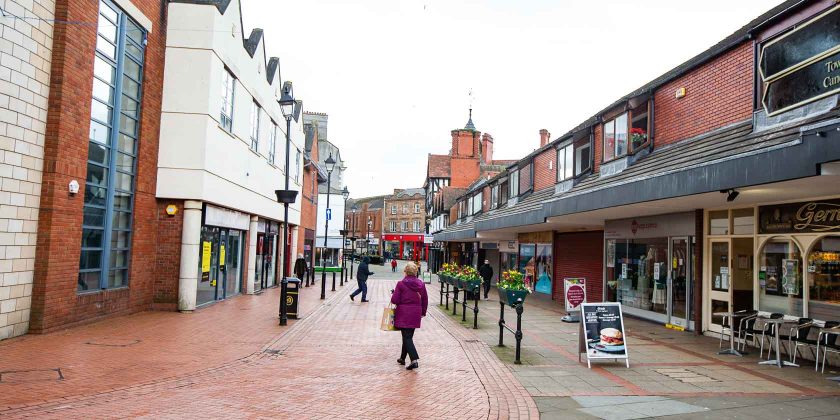
The Senedd has voted against a proposal from the Welsh Conservatives to eliminate business rates for small firms across Wales. The decision comes amid concerns that high business rates are contributing to the decline of local high streets and the closure of many small businesses.
During a debate held on December 10, 2023, Conservative members argued that scrapping business rates would provide vital “breathing space” for struggling businesses. Samuel Kurtz, the Conservatives’ shadow economy secretary, highlighted that Wales has the “least competitive” business rates in Britain alongside the highest unemployment rate in the UK and the lowest average take-home pay. “This is not the framework of a thriving economy,” he stated, warning of an “economic doom loop” if significant changes are not made following the UK’s autumn budget.
Kurtz described the recent revaluation of business rates as a potential “final blow” for many small enterprises. He noted that numerous businesses have experienced valuation increases of two to four times. One business owner reported a staggering monthly bill increase of £8,000, which he deemed “completely unsustainable and untenable.”
While Luke Fletcher, Plaid Cymru’s shadow economy secretary, expressed support for the introduction of differential multipliers aimed at high-street shops, he criticized the Welsh Government for not extending these benefits to the hospitality sector. This omission, according to Fletcher, costs typical pubs an additional £6,800 per year. “To not include hospitality… was a massive misstep by the government,” he remarked.
Independent member Rhys ab Owen pointed out that Wales has seen the highest percentage of small business closures since 2020, calling for a VAT reduction specifically for the hospitality industry. Fellow Conservative Joel James warned that the state of high streets is precarious, attributing the challenges faced by businesses to the Labour UK Government’s increased employers’ national insurance contributions.
During the debate, Gareth Davies, another Conservative member, painted a grim picture of the hospitality sector, stating that a pub closes every day. He argued that small businesses are being “suffocated” by “punishing” policies from both ends of the M4.
In response, Rebecca Evans, the Welsh Government’s economy secretary, defended the administration’s record, asserting that the economic environment has improved despite ongoing inflation challenges. She highlighted the Welsh Government’s support initiatives, which provide over £140 million in relief annually to approximately 70,000 properties across Wales, with more than 50,000 businesses receiving 100% relief and paying no rates at all.
The Conservative motion, which also sought free parking in town centres and the reversal of tourism tax proposals, was ultimately defeated with a vote tally of 34-12 and one abstention. Amendments proposed by both the Labour and Plaid Cymru parties were also rejected, indicating a lack of consensus among Senedd members.
This ongoing debate reflects the significant challenges facing small businesses in Wales, as stakeholders continue to call for urgent reforms to support local economies.


