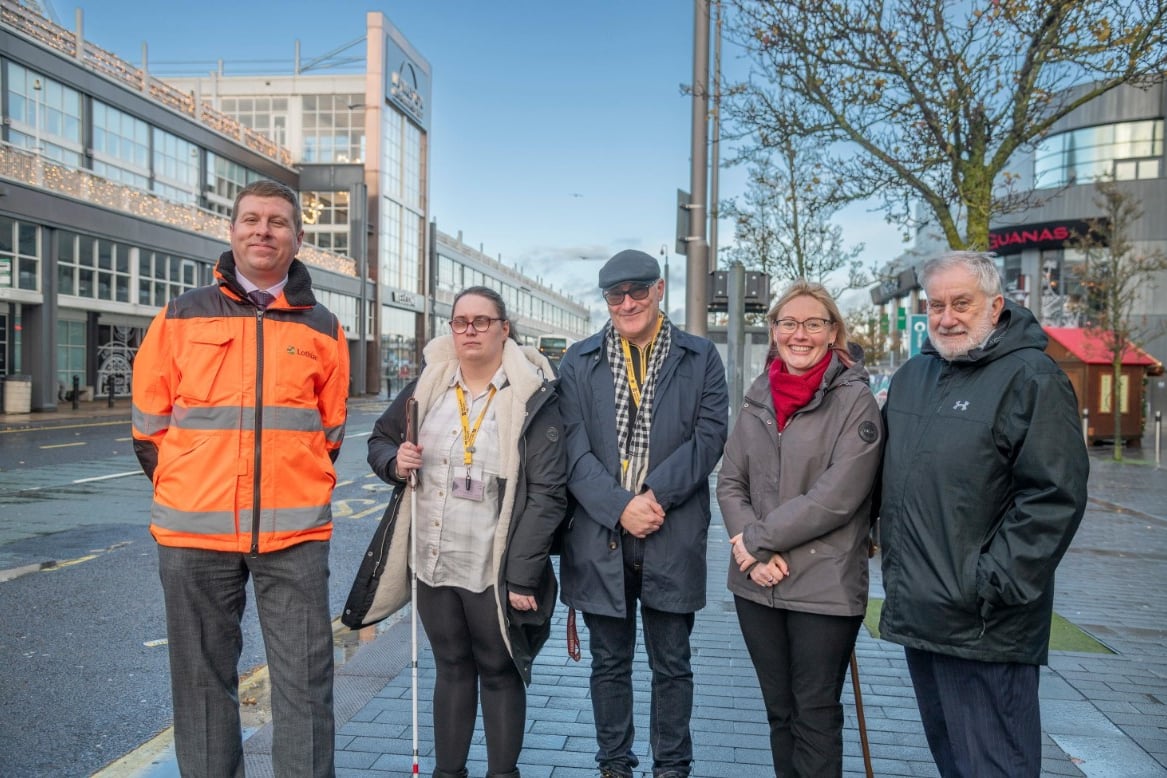
West Lothian has become the first area in Scotland to implement advanced technology designed to assist blind and partially-sighted individuals in accessing public transport. This initiative aims to significantly enhance mobility and independence for those who often face challenges in navigating transport systems.
The new system utilizes cutting-edge technology to ensure that users can identify and locate bus services more easily. With the help of smartphone applications and specialized audio signals at bus stops, individuals will receive real-time information about approaching buses. This feature is expected to reduce the anxiety often associated with public transport for those with visual impairments.
Local authorities have partnered with leading organizations specializing in transport technology to develop this innovative solution. According to a representative from Visionary Transport Solutions, the initiative is a major step forward in promoting inclusivity within the community. The project has been in development since early 2023 and is part of broader efforts to improve accessibility across public services.
The technology is designed to be user-friendly, allowing individuals to interact with it seamlessly. Users can download the application to their smartphones, providing them with essential information such as bus arrival times, routes, and any service changes. This level of detail is particularly beneficial for blind and partially-sighted individuals, who often rely on assistance from others to navigate transport networks.
Feedback from the community has been overwhelmingly positive. Local residents expressed their appreciation for the initiative, highlighting how it empowers them to travel independently. Many noted that such advancements not only foster a sense of freedom but also promote social inclusion by enabling individuals to participate in everyday activities without barriers.
Enhancing Mobility and Independence
The initiative has received funding from the Scottish Government as part of its commitment to improving transport accessibility nationwide. With an investment of approximately £1.5 million, West Lothian is setting a precedent that could influence similar projects across the country.
Furthermore, this development comes at a time when local authorities are increasingly focused on integrating technology into public services to enhance user experiences. The success of this project could lead to expanded applications of similar technologies in other regions, creating a more inclusive public transport environment throughout Scotland.
Community engagement has played a crucial role in shaping this initiative. Local advocacy groups for the blind and partially-sighted were consulted during the planning stages to ensure that their needs and preferences were prioritized. This collaborative approach has resulted in a service that truly reflects the requirements of its users.
Future Implications
As the pilot program rolls out, officials plan to monitor its effectiveness closely. They aim to gather data on user satisfaction and accessibility improvements. Adjustments will be made based on feedback to ensure the service continues to meet the evolving needs of the community.
In summary, West Lothian’s initiative represents a significant advancement in public transport accessibility for blind and partially-sighted individuals. By leveraging technology, local authorities are taking meaningful steps towards creating an inclusive environment. As similar projects gain traction, the hope is that they will pave the way for a society where everyone, regardless of their visual ability, has equal access to transport services.