A series of educational workshops on workplace health and safety is underway in Montenegro, focusing on the intersection of artificial intelligence (AI) and employee well-being. Organized in alignment with the Action Plan for 2025 and the Strategy for the Improvement of Health and Safety at Work in Montenegro 2022-2027, the initiative aims to address contemporary challenges workers face in increasingly digital work environments.
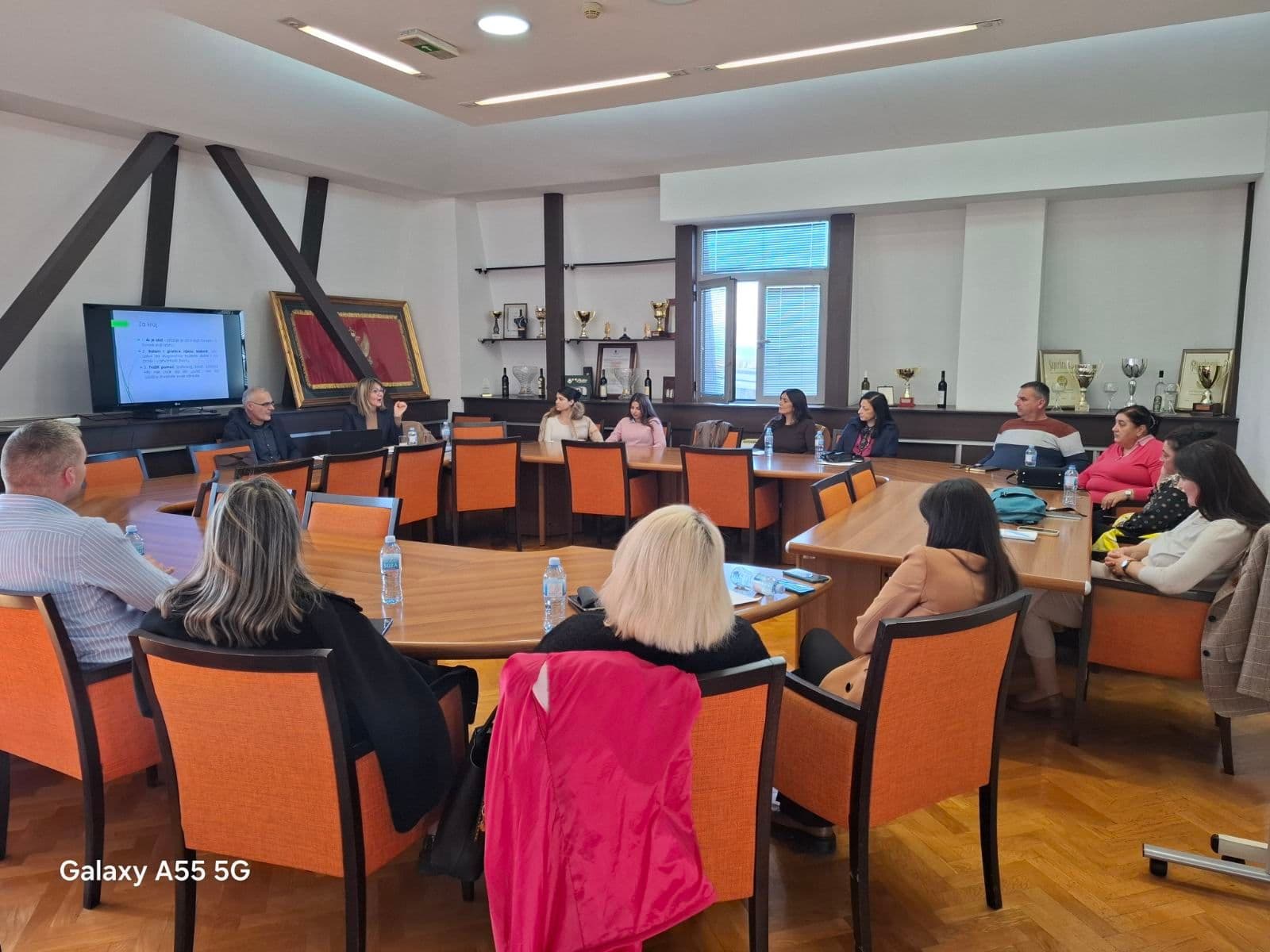
The first workshop, titled “Workplace Education – AI in the Context of Health and Safety at Work and Work-Life Balance,” took place at the headquarters of Plantaze AD. It was facilitated by the Ministry of Labour, Employment and Social Dialogue in collaboration with the Union of Trade Unions of Montenegro (SSCG). The goal was to proactively engage employees with current issues related to health and safety while fostering a two-way dialogue to better understand their needs and perceptions.
A key focus of the workshop was on the often-overlooked aspects of workplace safety, particularly concerning mental health, chronic stress, and burnout syndrome. Participants discussed how these issues have become more pronounced in modern workplaces, largely due to the pervasive use of digital tools and AI technologies. These innovations blur the lines between professional and personal life, increasing the risk of exhaustion and health concerns.
Workshop speakers emphasized that social dialogue is a crucial mechanism for mitigating the negative impacts of algorithmic management. This includes safeguarding health and safety at work, preventing discrimination, and establishing clear criteria for the collection and use of personal data. By doing so, excessive surveillance of employees can be curtailed, ensuring respect for their privacy.
Mental health was highlighted not merely as an individual concern but as a vital component of a healthy organization and society. Without a focus on preserving mental well-being, sustainable productivity and quality services cannot be achieved.
Danka Cetkovic, a psychologist and HR consultant, addressed the topic “AI at Work – Ally or Threat to Health and Work-Life Balance?” She pointed to both the potential benefits and risks that AI brings to contemporary work environments.
Additionally, Vladimir Krsmanovic, coordinator of activities for the Union of Trade Unions of Montenegro, shared insights on the role of AI in health and safety. He underscored the pressing need for additional elements in collective bargaining to adapt to the increasing integration of digital technologies and algorithmic management in work processes.
As Montenegro navigates these challenges, the workshops represent a proactive step toward ensuring that both employee health and productivity are prioritized in an evolving workplace landscape. The outcomes of these discussions may help shape future policies and collective agreements, ultimately fostering a safer and more supportive work environment for all.