
UPDATE: Ukraine’s President Volodymyr Zelensky is in Berlin today, December 4, 2023, engaging in urgent diplomatic talks with top U.S. and European officials as the nation braces for a challenging winter amid ongoing conflict with Russia. This latest round of negotiations follows a significant meeting with envoys from former President Donald Trump, where progress was claimed in discussions about the war’s future.
The stakes couldn’t be higher for Ukraine, as a coalition of European leaders, including Finland’s president and NATO’s secretary general, join the talks, while Russia remains excluded from the negotiations. Central to the discussions is the contentious topic of potential territorial concessions by Ukraine—a proposal that has been met with resistance from both Ukrainian officials and European leaders who fear it would reward Russian aggression.
Zelensky has indicated a willingness to pause Ukraine’s bid for NATO membership if the U.S. can provide robust security guarantees against future Russian attacks. Meanwhile, the mood in Ukraine is increasingly bleak as the conflict drags on, with many citizens feeling the pressure to compromise amid internal political turmoil and the recent Operation Midas corruption scandal.
In an exclusive interview with former senior CIA executives Ralph Goff and Glenn Corn, who recently returned from a five-day trip to Ukraine, the dire atmosphere was highlighted. “The mood in Ukraine is not great,” Corn stated. “People are trying to keep a brave face, but they feel a lot of pressure from the U.S. to make a deal, which many find confusing.”
The urgency on the battlefield is palpable, as Russian attacks escalate. In one recent night alone, Russia launched 84 missiles and over 500 drones at Ukrainian targets, forcing citizens to endure nightly air raid sirens. “This is a campaign of terror by the Russian side,” Goff noted, emphasizing that the nature of the conflict has evolved dramatically, with modern warfare relying heavily on drones and electronic warfare.
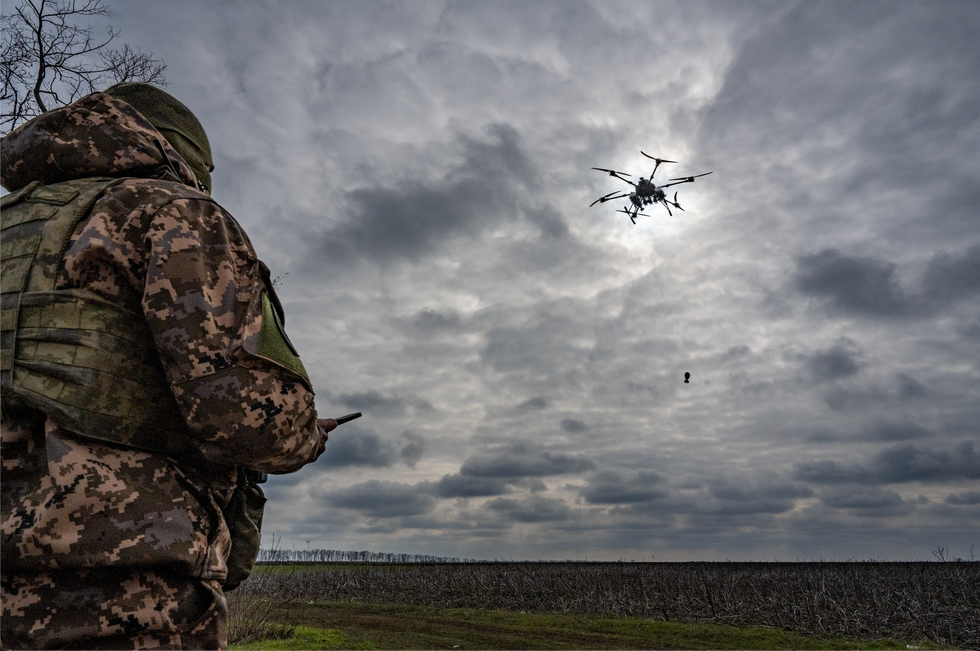
Ukrainians have shown remarkable resilience, adapting their strategies to the changing landscape of the war. Corn pointed out that the frontlines have transformed into a lethal zone dominated by drone warfare. “It’s no longer an infantry man’s war,” he explained, highlighting the shift from traditional ground troops to technology-driven tactics.
Despite the challenges, Ukrainian forces continue to innovate. “They need air defense weapons, and they’re asking for financial support,” Goff stated. Notably, they have not requested foreign troops, demonstrating a desire to maintain their sovereignty and fight independently while seeking necessary aid from Western allies.
The geopolitical implications are immense, as Zelensky navigates a complex landscape of alliances. Both Goff and Corn expressed concern regarding the perception among Ukrainians that the U.S. might be distancing itself. “They need the United States to provide long-term security guarantees,” Corn asserted, emphasizing that the ongoing support from the U.S. is crucial for Ukraine’s survival and for maintaining European stability.
As the situation develops, all eyes will be on the outcomes of these diplomatic efforts. The upcoming winter months pose significant challenges for Ukraine, both in terms of military engagement and humanitarian needs. With ongoing discussions and the potential for a shift in strategy, the fate of the nation hangs in the balance.
As the world watches, the resilience of the Ukrainian people remains a testament to their fight for freedom and sovereignty. The urgency for support is clear, and the international community must rally to uphold their struggle against aggression.


