Ukraine is entering a critical period as winter approaches, intensifying the challenges faced by the nation amid ongoing conflict and uncertainty regarding international support. President Volodymyr Zelensky participated in high-level discussions in Berlin on March 15, 2024, with key U.S. and European officials. This diplomatic push aims to formulate a viable plan to end the war, which has persisted since 2014 and escalated dramatically in early 2022.
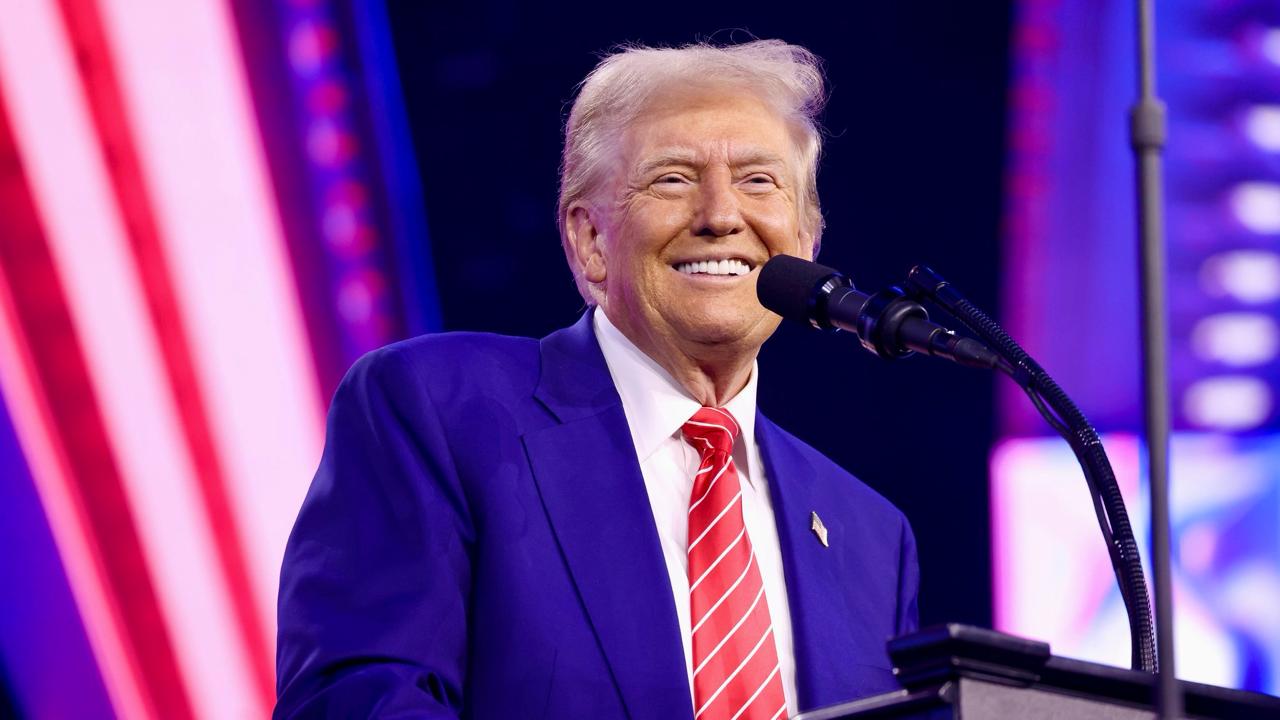
Zelensky’s meetings followed extended talks with envoys from former President Donald Trump—notably Jared Kushner and Steve Witkoff—who reported significant progress during their discussions. Notably absent from these talks was Russia, highlighting the complexities of the geopolitical landscape. The primary point of contention remains the concessions Ukraine may be compelled to consider, with Washington suggesting the possibility of territorial compromises that Ukraine strongly opposes.
Western leaders are generally supportive of a framework that would allow Ukraine to retain its current territories while securing long-term security guarantees from the United States. An understanding exists that a pause in Ukraine’s NATO ambitions could occur if such guarantees are solidified. However, the sentiment on the ground in Ukraine is increasingly bleak, as the nation grapples with both military and internal political pressures.
During a recent interview in Krakow, Poland, former senior CIA officials Ralph Goff and Glenn Corn shared their observations from a five-day visit to Ukraine. They highlighted widespread concern among Ukrainians regarding the pressure to negotiate a deal and the ongoing internal political turmoil exacerbated by the Operation Midas corruption scandal. Many citizens expressed confusion and dissatisfaction with the current state of affairs, feeling the weight of a prolonged conflict that has devastated their lives.
Corn noted, “The mood in Ukraine is not great. They feel a lot of pressure from the U.S. to make a deal, which many Ukrainians are confused about.” He emphasized the urgency of the situation, stating that Ukrainians are attempting to maintain resilience despite the harsh realities of war, with one officer indicating a need to “get through the winter.”
Frustration is also evident regarding perceived U.S. disengagement in the conflict. Ukrainians require tangible support, particularly in the form of air defense systems, to counteract recent escalations in missile and drone attacks from Russia. Goff underscored that while Ukrainians have not requested more troops, they repeatedly ask for defense resources to help them sustain their fight.
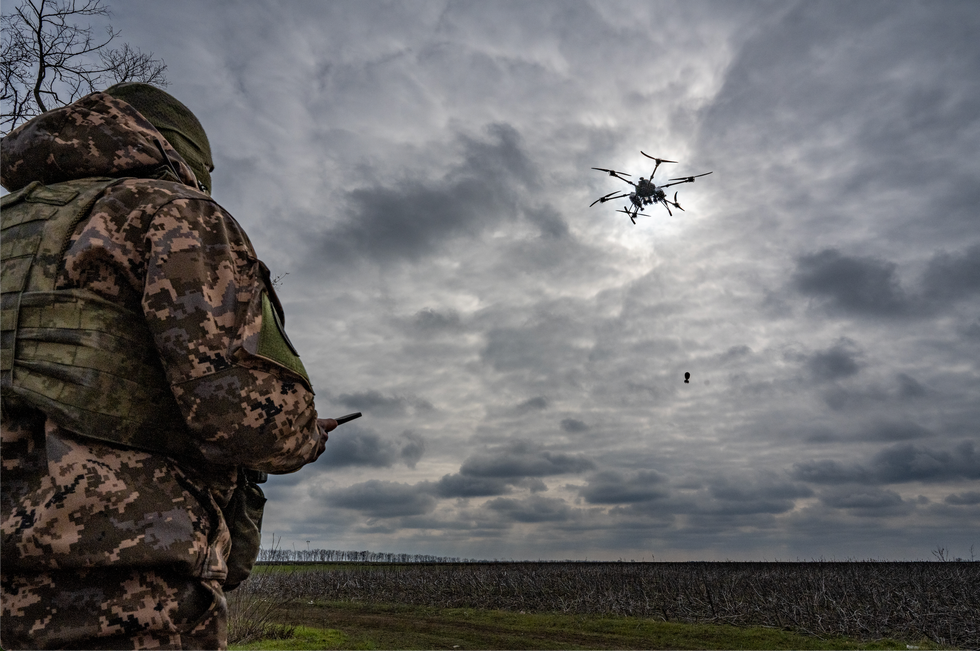
The battlefield dynamics have transformed significantly, shifting from traditional infantry confrontations to warfare dominated by drones and electronic warfare. Both Goff and Corn observed that military strategies have evolved, with Ukrainian forces innovating rapidly despite resource constraints. The reliance on drones and intelligence gathering has become paramount, reshaping how battles are fought.
As winter looms, the psychological toll on the Ukrainian populace is palpable. Citizens have expressed disappointment with the U.S. response to their plight, feeling that their sacrifices in the face of aggression are being overlooked. “They need the United States to provide some kind of long-term security guarantees,” Corn remarked, emphasizing the critical role the U.S. plays in Ukraine’s security landscape.
While European nations are stepping up their support, there exists a palpable anxiety in Ukraine regarding the potential rift between Europe and the United States. Many Ukrainians are concerned that their struggle for sovereignty may not receive the robust backing it requires as they continue to face Russian advances.
The ongoing corruption issues within Ukraine further complicate the situation. Goff and Corn noted that citizens are acutely aware of corruption’s impact on their society, with recent polling indicating that more Ukrainians view corruption as a pressing issue than the war itself. Despite these challenges, there is a sense of determination among the populace to address these issues even while engaged in conflict.
Looking ahead, there is cautious optimism among Ukrainians that international support, particularly from the U.S., will not wane. Corn expressed hope that the U.S. will recognize the importance of standing with Ukraine against Russian aggression. The outcome of the current diplomatic efforts remains uncertain, but the resilience of the Ukrainian people in the face of adversity continues to shine through.
As the winter season approaches, Ukraine is not just preparing for the cold; it is also bracing for the ongoing battle for its future and sovereignty. The international community’s response during this pivotal time could play a decisive role in shaping the course of the conflict.