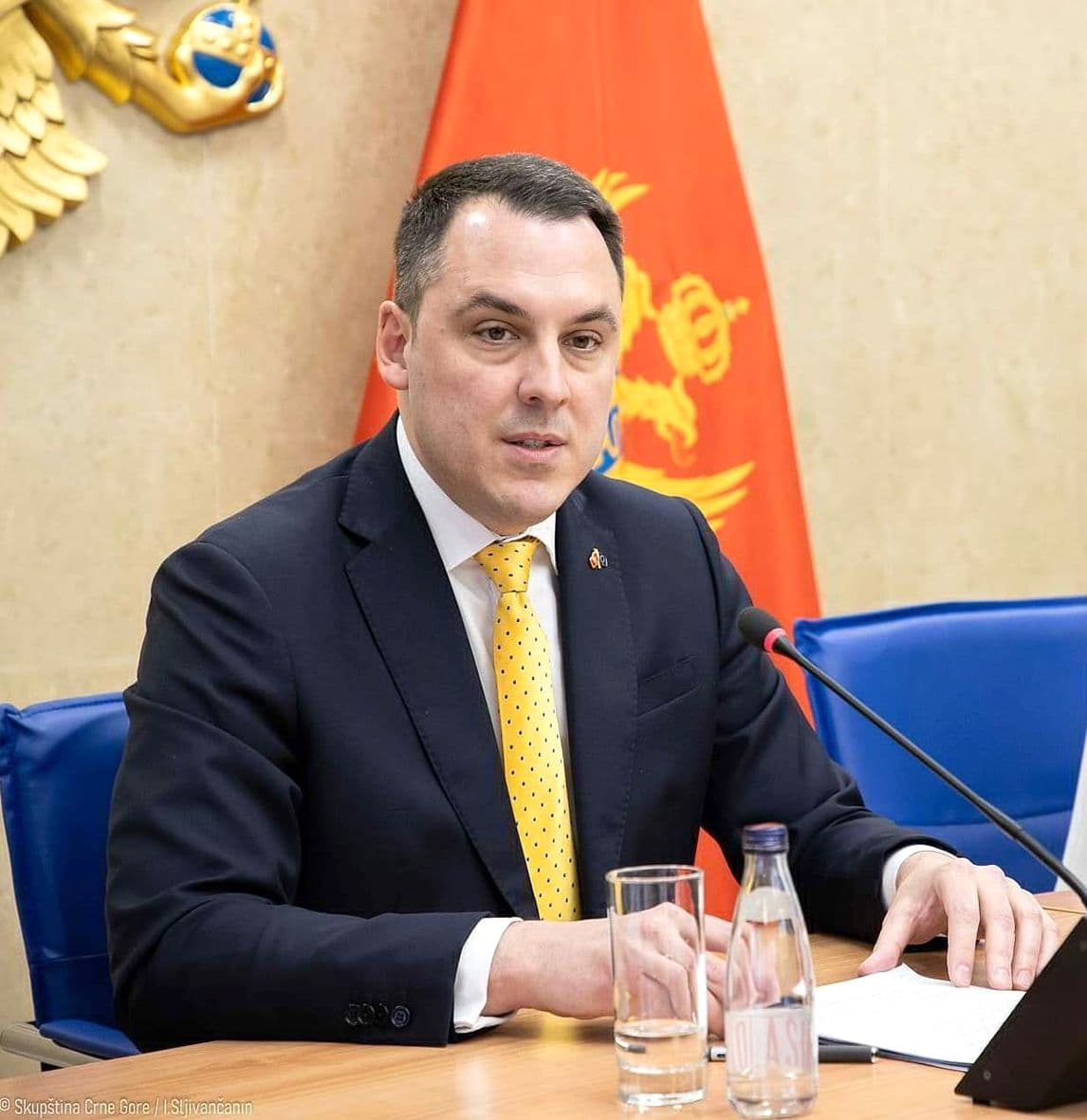
Deputy Prime Minister and member of the Democratic Party of Socialists (DPS) in Montenegro, Ivan Vuković, has publicly criticized Parliament Speaker Andrija Mandić for raising the issue of constitutional amendments that he deems controversial and divisive. This statement came shortly after Montenegro received support to advance its European Union (EU) accession process by closing five additional chapters.
On December 15, 2025, Vuković took to social media platform X to express his concerns. He highlighted that Mandić’s proposal to amend the Constitution and alter the status of the Serbian language could exacerbate political tensions at a time when the country cannot afford such divisiveness. Vuković stated, “Merely a day after Montenegro’s got support to close 5 more chapters in the process of EU accession, Speaker of the Parliament brings up the topic of constitutional changes – controversial, highly divisive, aimed at creating political tensions just when we cannot afford any.”
This comment from Vuković underscores the sensitive political climate in Montenegro, where discussions about national identity and language have historically led to significant divisions among different ethnic groups. The timing of Mandić’s remarks raises questions about the potential impact on Montenegro’s ongoing efforts to align with EU standards, especially as the nation seeks to strengthen its international standing.
As Montenegro progresses on its path to EU membership, the focus on constitutional reform may distract from critical negotiations and reforms needed to secure its future within the union. Vuković’s objections reflect a broader concern among political leaders about maintaining stability and unity as the country navigates complex regional dynamics.
The Democratic Party of Socialists has consistently advocated for a more inclusive approach to national identity, while Mandić’s party, which represents a more nationalist perspective, has been pushing for changes that could redefine the cultural landscape of Montenegro. This ongoing debate highlights the challenges that lie ahead for the Balkan nation as it strives to balance historical legacies with modern aspirations.
In conclusion, the discourse surrounding the potential constitutional amendments initiated by Mandić signals a pivotal moment for Montenegro. With EU integration at stake, the government’s ability to manage internal divisions will be crucial for its success in the international arena.