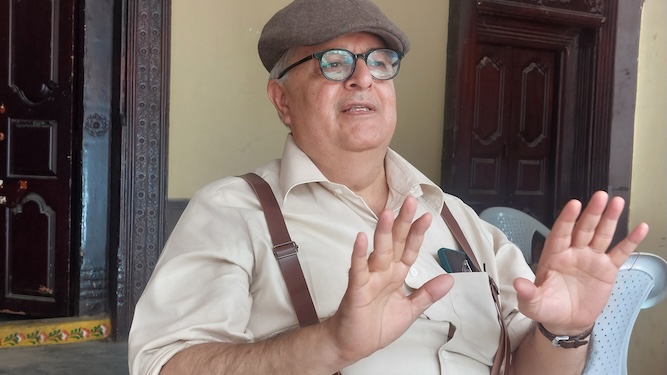
A 61-year-old man has emerged as an unexpected advocate for breastfeeding after a humorous misunderstanding of the phrase “Breast is best.” Roy Hobbs, who has no personal stake in the topic of infant nutrition, has gained attention for his passionate yet unconventional endorsement of breastfeeding.
Hobbs, a lifelong admirer of women’s physical attributes, particularly breasts, has leveraged his preferences to support breastfeeding in a light-hearted manner. He stated, “Long legs, a stunning face, a toned stomach – they’ve all got their adherents. But it’s got to be tits for me, every time.” His comments sparked conversations around the importance of breastfeeding and the benefits of breast milk for infants.
In an interview, Hobbs emphasized that his enthusiasm is not intended to provoke political discourse or dictate personal choices. “Not everyone will agree with me, and I know my preferences may seem controversial in the current climate,” he noted, referring to the socio-political landscape in the United Kingdom. He added, “If you’re bang up for Kim Kardashian, I’m not knocking it. It’s just bums have never done it for me personally.”
Hobbs’s unconventional advocacy has caught the attention of organizations focused on breastfeeding awareness. Emma Howard, a representative from The Breastfeeding Network, expressed her delight in Hobbs’ newfound role. “Breast milk has everything that a growing baby needs, and it’s heartening that a childless single man is such a passionate advocate,” she remarked.
When questioned about the impact of past controversies surrounding infant formula, particularly those involving the Nestlé brand in the early 2000s, Hobbs humorously responded, “Was she in Nuts?” This lighthearted approach has resonated with some audiences, prompting discussions about breastfeeding in a more relaxed context.
While Hobbs does not have children, his enthusiasm has brought attention to the vital role of breastfeeding in early childhood development. According to health experts, breast milk provides essential nutrients that support a baby’s growth and immune system.
This unusual narrative highlights how conversations around breastfeeding can extend beyond traditional advocacy, engaging different demographics in discussions about infant health. As Hobbs continues to share his perspective, he inadvertently contributes to the ongoing dialogue surrounding the benefits of breastfeeding and the diverse opinions that exist around it.
Whether or not his views align with mainstream conventions, Hobbs has certainly sparked interest and conversation, showcasing the unexpected ways individuals can influence public awareness on health issues.