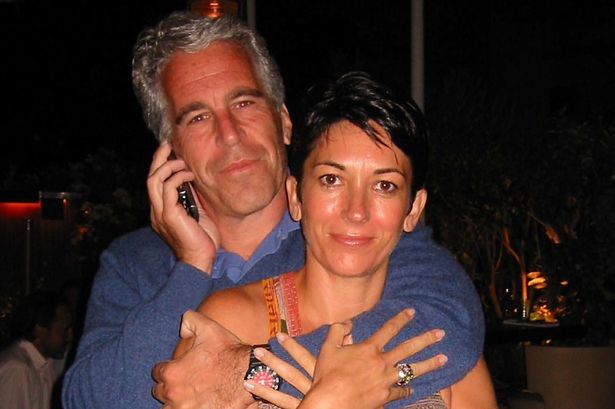
UPDATE: Ghislaine Maxwell, the former associate of convicted sex offender Jeffrey Epstein, is demanding her immediate release from prison, citing “substantial new evidence” that could overturn her 20-year sentence for sex trafficking. In a bold move, Maxwell has filed a habeas petition with a US federal judge in Manhattan, asserting that her 2021 trial was marred by significant constitutional violations.
This urgent development comes just days before the release of records related to her case under the Epstein Files Transparency Act, signed by former President Donald Trump. The act mandates the Department of Justice to disclose a wealth of investigative materials, including search warrants and victim interviews, gathered in connection with Epstein’s notorious sex trafficking operations.
Maxwell’s legal team claims that evidence withheld during her trial, along with the introduction of misleading information, constitutes a “complete miscarriage of justice.” They argue that this new evidence, emerging from various civil actions and government disclosures, fundamentally undermines the fairness of her proceedings. Maxwell’s attorney, David Markus, stated, “In light of the full evidentiary record, no reasonable juror would have convicted her.”
The habeas petition is a critical legal maneuver that challenges the legitimacy of her imprisonment, seeking either release or other relief as a last resort. It underscores the ongoing battle over the integrity of her trial, highlighting the potential for new revelations to reshape the narrative surrounding her conviction.
On December 2021, Maxwell was found guilty of facilitating Epstein’s sex trafficking operations, leading to her current confinement. Since her arrest in 2020, she has faced significant media scrutiny and public outrage, with her case symbolizing the broader issues of abuse and exploitation.
The urgency of this situation is heightened by the impending release of documents that could reveal untested allegations against her. Judge Paul Engelmayer recently approved the public disclosure of these materials, which Maxwell’s defense argues could severely prejudice her case if she were granted a retrial. Markus cautioned that the exposure of such documents might “foreclose the possibility of a fair retrial.”
As Maxwell’s legal team prepares to navigate this complex landscape, the implications of these developments extend beyond her case. The potential release of sensitive materials could reignite public interest and scrutiny into Epstein’s extensive network of alleged abuse, further complicating the narrative surrounding Maxwell’s conviction.
With political pressure mounting on the Justice Department, the release of these documents is expected to include 18 categories of investigative materials, providing a deeper insight into the extensive sex trafficking probe. This ongoing saga continues to captivate and horrify the public, as it shines a light on the dark realities of abuse and exploitation.
As this story develops, all eyes will be on the federal court and the ramifications of Maxwell’s petition. The intersection of legal battles, media attention, and societal outrage makes this a pivotal moment in the fight for justice for victims of sexual exploitation.
Stay tuned for updates on this unfolding situation as Ghislaine Maxwell’s fate hangs in the balance.