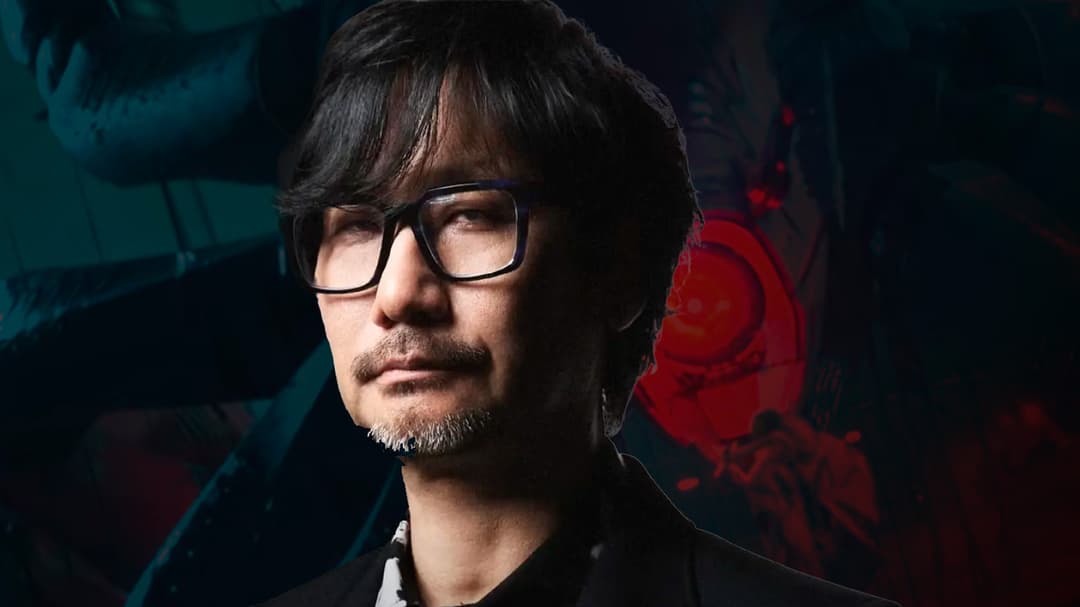
Hideo Kojima, the renowned creator behind iconic games such as Death Stranding and Metal Gear Solid, has made his stance on artificial intelligence in gaming clear. During a recent interview with CN N, he asserted that AI should not play a role in artistic creation but can enhance gameplay mechanics. His perspective comes at a time when the gaming industry is increasingly examining the implications of AI technology.
Kojima emphasized that human creators must maintain control over storytelling and artistic decisions. He views AI primarily as a supportive tool, capable of improving efficiency and handling repetitive tasks. His consistent position serves as a counterpoint to the growing use of generative AI tools in game development, which raises concerns about creative autonomy.
AI’s Role in Gameplay Mechanics
In the interview, Kojima elaborated on AI’s potential applications, specifically in gameplay systems rather than visual or artistic elements. He believes that AI can significantly improve how enemies interact with players, which is crucial for creating immersive gaming experiences. “Most enemies still rely on limited, predictable logic, which can make encounters feel artificial over time,” Kojima explained.
He suggested that AI could adapt to different player behaviors—such as movement patterns and decision-making styles—allowing for a more dynamic and personalized gaming experience. “By having AI compensate for those differences, the gameplay can gain more depth,” he stated. This approach aims to create a more engaging environment while keeping the creative vision firmly in the hands of human developers.
Kojima’s insights come amid ongoing discussions in the gaming community about the ethical use of AI. His history of exploring the intersection of technology and human agency in his games has made his opinions particularly significant.
Future Projects and AI Integration
While Kojima did not confirm the implementation of AI-driven enemy behavior in any specific title, he noted that Kojima Productions is currently developing multiple projects, including the horror game OD and the espionage-focused PHYSINT. He emphasized that the focus remains on authored experiences, with AI operating discreetly in the background.
As the dialogue around AI in gaming evolves, Kojima’s perspective highlights a crucial balance between leveraging technology for enhanced gameplay and preserving the integrity of creative expression. His comments reflect a broader industry sentiment, as developers and publishers navigate the complexities and challenges posed by AI in the gaming landscape.
In a rapidly changing environment, Kojima’s vision for AI suggests a future where technology can enrich gaming experiences without overshadowing the human touch that defines storytelling and art.