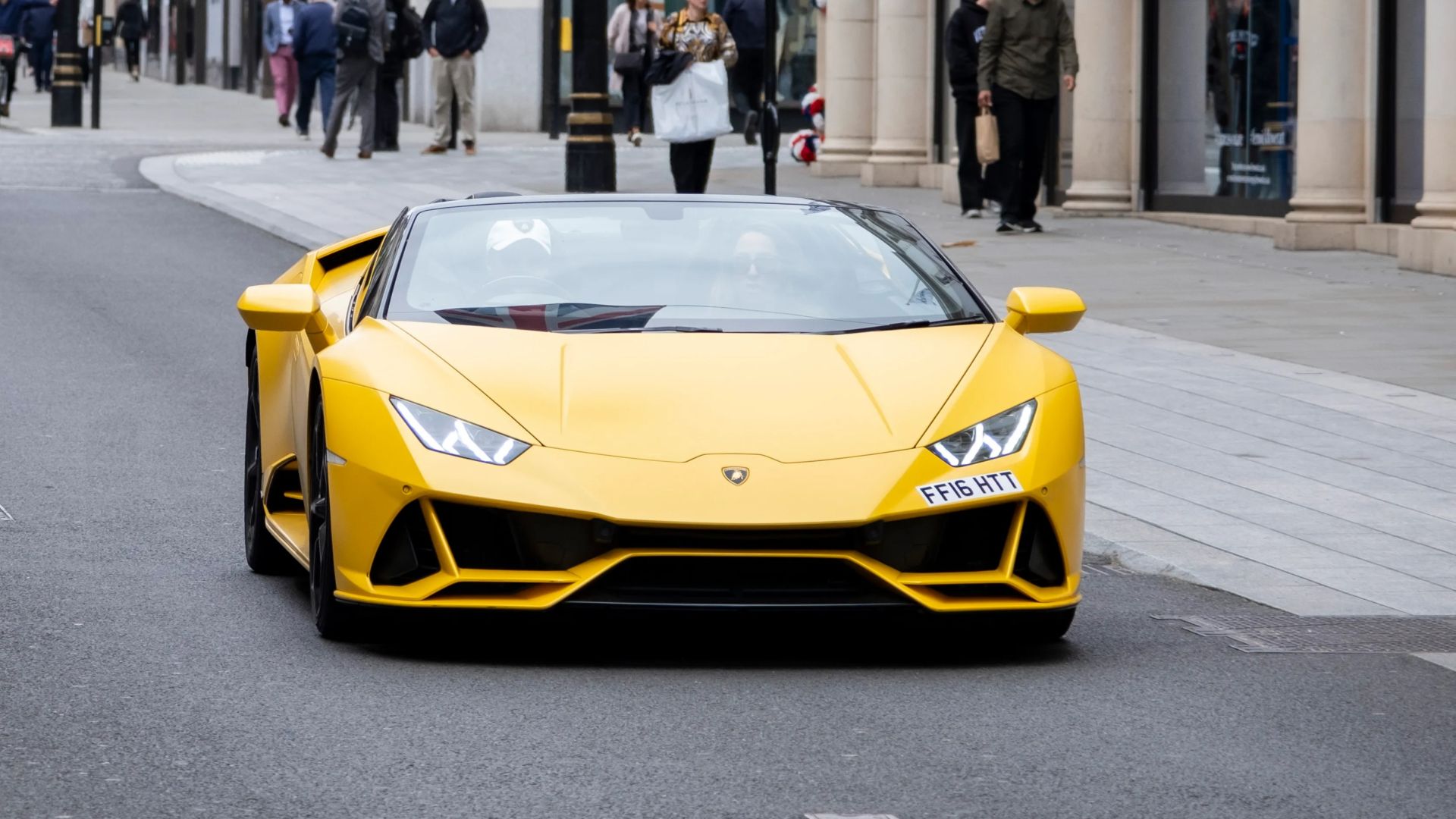
A recent study has revealed that some men may drive fast sports cars as a response to insecurities about their masculinity, particularly concerning the size of their genitals. The research, conducted by Dr. Cindy Harmon-Jones from Western Sydney University, involved a survey of 763 men and found a significant correlation between low confidence levels related to penis size and the desire for symbols of masculine status, such as powerful cars.
The study highlights a phenomenon where men who feel inadequate may seek alternative ways to assert their masculinity. Dr. Harmon-Jones explained that the findings support the notion that men who worry about their penis size might gravitate towards conspicuous displays of masculinity, including owning a sports car. She stated, “The results converge with the popular idea that a man who is concerned his penis is small may seek alternate symbols of masculine status such as a powerful sports car.”
Surprisingly, despite societal pressures, polls indicate that most women do not prioritize penis size in their assessments of male attractiveness. This disparity raises questions about the underlying motivations that drive some men’s fixation on size. The NHS has provided average measurements, stating that the average size is between 2.5 to 4 inches when flaccid and between 5 to 7 inches when erect.
Another study conducted in 2023 suggested that men might become more inclined to desire luxury vehicles when they are misled into believing they are smaller than average. This psychological manipulation can exacerbate feelings of inadequacy, driving them towards material possessions as a means of compensating for perceived shortcomings.
The implications of this research are profound, as it suggests that societal pressures regarding masculinity can significantly influence men’s behaviors and choices. The quest for validation through material means can be both an emotional and economic burden, affecting their overall well-being.
In conclusion, while many factors contribute to a man’s decision to purchase a sports car, this study provides insight into how insecurities related to body image can play a pivotal role. As societal attitudes continue to evolve, it remains essential to address these underlying issues to foster healthier perceptions of masculinity.