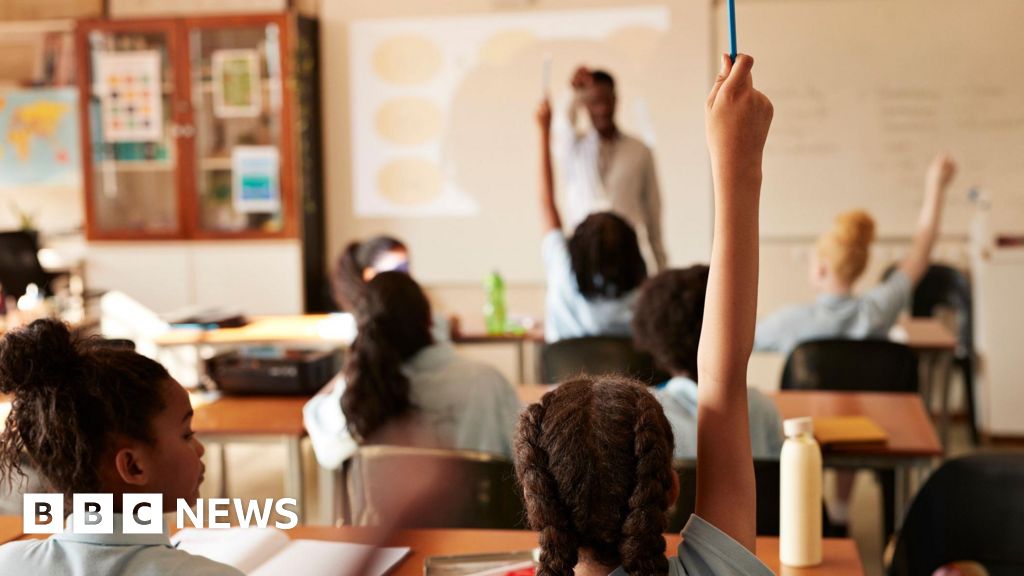
Concerns regarding the influence of Artificial Intelligence (AI) on the cognitive development of children and young people were addressed by Paul Givan, the Education Minister. His comments followed a written inquiry from Justin McNulty, a member of the Assembly representing the Social Democratic and Labour Party (SDLP), who sought the Minister’s assessment on the potential cognitive decline among students resulting from AI’s prevalence.
During his response, Minister Givan acknowledged the dual nature of AI’s role in education, noting that it presents both opportunities and challenges for student development. He stated, “Research suggests it offers significant benefits, including personalised learning, improved academic outcomes, and enhanced student engagement.” These advantages highlight AI’s potential to support educational progression when used effectively.
While recognising the benefits, Givan also raised concerns about the potential negative consequences of over-reliance on AI tools. He explained that although AI can assist with tasks such as generating text and summarising information, it cannot fulfil the essential human needs for deep thinking, reflection, and authentic expression. “An over-reliance on AI may impact the critical thinking skills of young people,” he cautioned, indicating the necessity for balanced integration of technology in learning environments.
The Minister elaborated on AI’s capacity to enhance learning efficiency and academic performance. Yet, he emphasised that its successful implementation in education necessitates addressing several key issues, including accuracy, cognitive disengagement, and ethical implications. Givan insisted that a measured approach is vital to ensure that young people receive comprehensive and effective educational experiences.
In efforts to guide schools on the responsible use of AI, Givan announced that his officials are collaborating with various educational partners. He anticipates the release of comprehensive guidance for schools in the 2025/26 academic year. This initiative aims to equip educators with the necessary tools to navigate the challenges and opportunities presented by AI in the classroom.
As discussions on the integration of technology into education continue, the focus remains on ensuring that young learners can thrive in increasingly digital environments while maintaining essential cognitive skills. The balance between leveraging AI’s benefits and fostering critical thinking remains a pivotal concern for educators and policymakers alike.