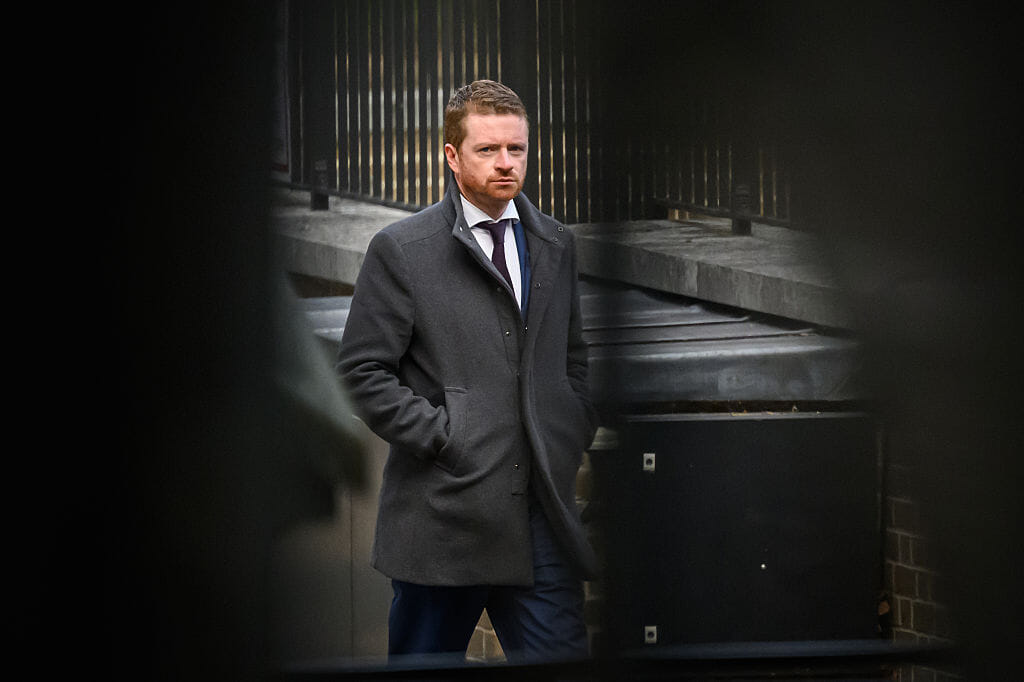
URGENT UPDATE: The Department of Justice (DOJ) is under fire as missing documents from the controversial Jeffrey Epstein files have sparked widespread skepticism. In an intense interview on NBC’s Meet the Press earlier today, Deputy Attorney General Todd Blanche insisted that the disappearance of at least 15 documents is unrelated to former President Donald Trump, despite growing public concern.
WHY THIS MATTERS: The absence of these files raises critical questions about transparency in a case that continues to captivate and alarm the public. Victims’ rights advocates and critics of the DOJ are demanding clarity, fearing potential political motivations behind the removals.
During the interview, Blanche faced tough questions from moderator Kristen Welker regarding the sudden removal of the documents, which reportedly included sensitive images tied to victims. He claimed the files were pulled to protect individuals, not to shield politically sensitive information. “There is no effort to hold anything back because of the name Donald J. Trump or anyone else,” he stated, emphasizing that all documents mentioning Trump will be released in accordance with the law.
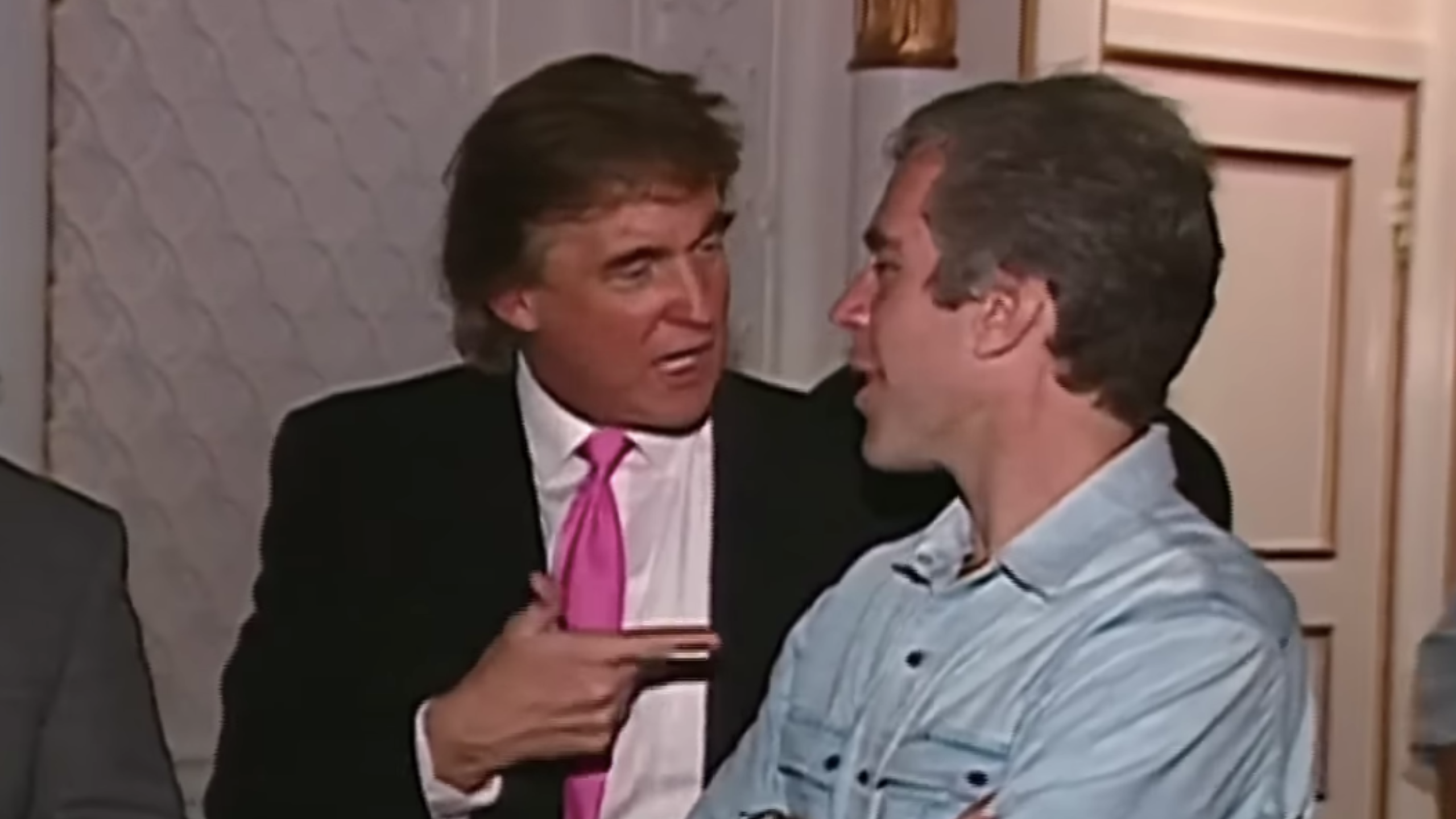
However, critics are not convinced. Legal experts have pointed out that the transparency law explicitly prohibits redactions based on political sensitivities, suggesting that the DOJ’s actions may not align with legal obligations. Just hours after their initial release, at least 16 items vanished from the public archive, including a photo allegedly depicting Trump alongside Epstein and Ghislaine Maxwell.
The controversy has drawn ire from members of Congress and advocacy groups alike, with representatives like Ro Khanna accusing the DOJ of selectively withholding crucial records. “This initial release did not comply with the spirit of the law,” Khanna said, hinting at potential legal action to enforce compliance with the Epstein Files Transparency Act.
As the situation develops, the DOJ is facing mounting pressure to clarify its criteria for document removal. Critics argue that even legitimate concerns for victims’ privacy should come with adequate public notice, which has been sorely lacking. The absence of transparency has fueled speculation and accusations of stonewalling, with some lawmakers from both parties expressing dissatisfaction with the DOJ’s pace and heavy redactions.
WHAT’S NEXT: Deputy Attorney General Blanche assured the public that the DOJ plans to release more documents in the coming weeks, stating that any missing images will eventually be returned to the public archive after necessary redactions. However, as scrutiny intensifies, advocacy groups continue to emphasize the need to prioritize survivors’ safety over sensationalism.
Public frustration is palpable, with many demanding answers about what remains hidden in the ongoing investigation. The fallout from the missing Epstein files not only highlights significant legal and ethical questions but also underscores the human impact of these revelations on the victims involved.
As this story unfolds, it is clear that both the DOJ and the public face a crucial moment in the pursuit of transparency regarding Jeffrey Epstein’s network. The call for accountability is loud and clear, and the need for clarity has never been more urgent.