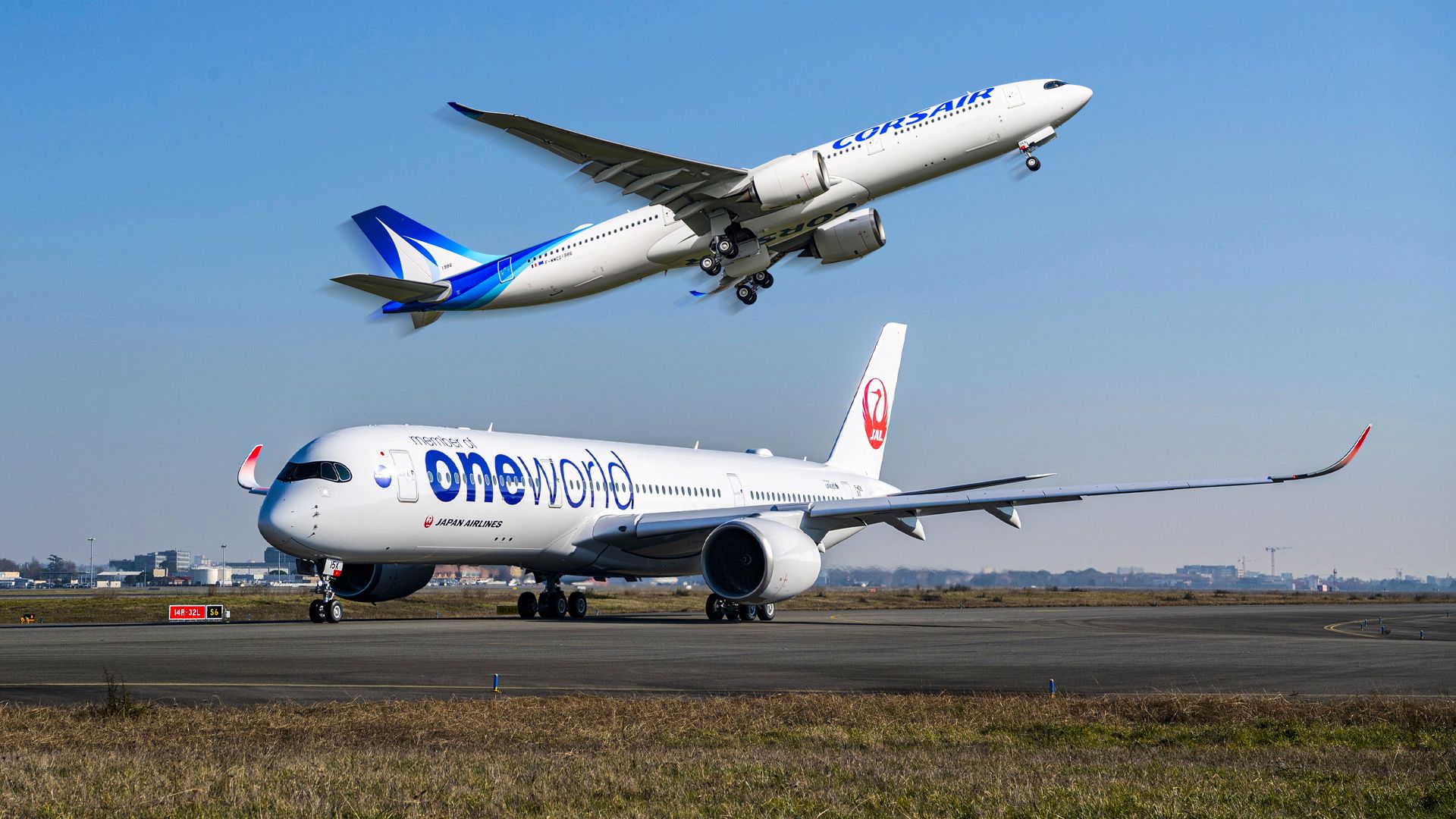
The Boeing 787 Dreamliner has transformed long-haul air travel with its remarkable range and efficiency. Designed as a clean-sheet model, the 787 prioritizes lightweight construction and advanced technology, allowing airlines to operate routes that were once deemed unviable. This innovative approach has resulted in significant improvements in fuel consumption, operational costs, and passenger comfort, marking a notable advancement in commercial aviation.
Revolutionary Materials and Design
One of the most notable features of the Boeing 787 is its extensive use of carbon-fiber composites, which comprise approximately 50% of the aircraft’s airframe. Unlike traditional aluminum or steel, these materials significantly reduce weight while enhancing strength and durability. Composites are resistant to corrosion and fatigue, translating to lower maintenance costs and extended aircraft lifespan. This shift in materials is pivotal, as lighter airframes require less fuel for takeoff, climb, and cruising, leading to a more efficient flight overall.
Boeing’s focus on aerodynamics further enhances the 787’s capabilities. The aircraft features long, high-aspect-ratio wings with raked wingtips, designed to minimize drag during cruise. The flexibility of these wings allows for dynamic optimization during flight, enabling the aircraft to adapt to varying conditions and absorb turbulence effectively. This not only improves passenger comfort but also maximizes lift, further contributing to the 787’s impressive fuel efficiency.
Engine Efficiency and Operating Costs
Powering the 787 are the Rolls-Royce Trent 1000 and General Electric GEnx engines, both engineered for optimal thermal efficiency and reduced fuel consumption. These high-bypass turbofan engines utilize advanced technologies that lower noise levels and improve performance. For instance, the Trent 1000 employs a large fan and a high bypass ratio to enhance cruise efficiency, while the GEnx integrates lightweight composite fan blades to reduce overall weight.
The combination of these engines with the lightweight airframe results in a fuel burn reduction of up to 20-25% compared to older widebody aircraft, allowing airlines to operate more economically. Additionally, the 787’s increased reliance on electrical systems over traditional pneumatic and hydraulic systems contributes to overall weight savings and efficiency.
The operational advantages become increasingly significant when considering the aircraft’s cruising altitude, typically between 35,000 and 43,000 feet. At these heights, the thinner air decreases aerodynamic drag, further enhancing fuel efficiency. The cold temperatures at cruising altitude also benefit engine performance, enabling more effective fuel utilization.
The Boeing 787-8 boasts a range of approximately 7,355–8,000 nautical miles (13,621–14,816 km), while the 787-9 can fly around 7,565–8,500 nautical miles (14,017–15,722 km). The largest variant, the 787-10, offers a range of 6,330–7,500 nautical miles (11,726–13,890 km), depending on configuration.
The operational flexibility presented by the 787 allows airlines to establish direct long-haul routes that were not feasible with older aircraft. As airlines continue to move away from traditional hub-and-spoke models, the ability to serve new markets directly becomes a competitive advantage.
In summary, the Boeing 787 Dreamliner exemplifies a paradigm shift in airliner design and efficiency. By integrating advanced materials, aerodynamic innovation, and state-of-the-art engines, Boeing has created an aircraft that not only meets the demands of modern aviation but also sets new standards for sustainability and operational performance. This comprehensive approach to engineering ensures that the 787 stands out as a leader in the industry, paving the way for future advancements in commercial aviation.