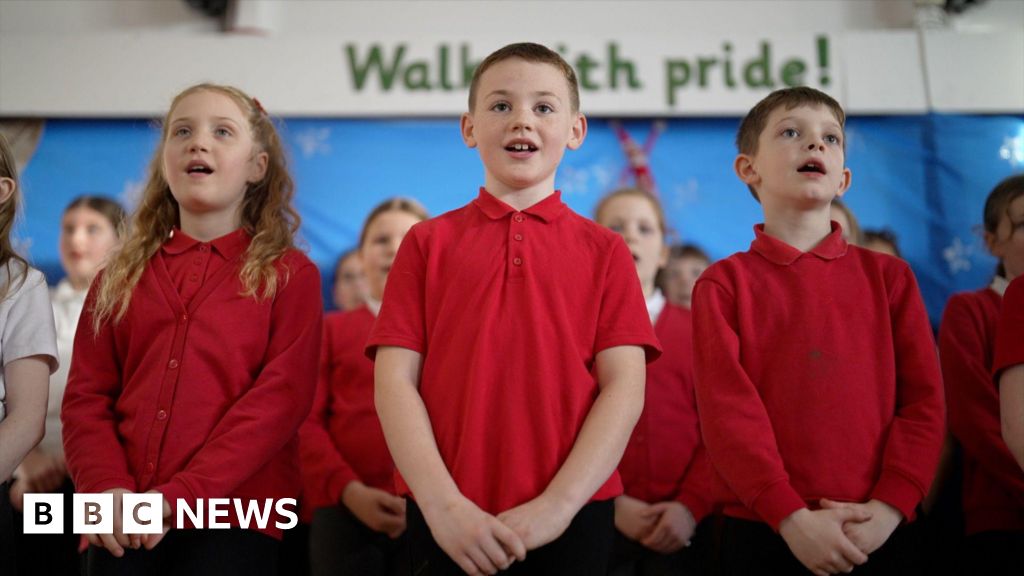
Many children in England often find themselves singing at school during the festive season, participating in nativity plays or carol concerts. However, new data reveals a troubling trend: singing becomes significantly less common outside of the Christmas period, particularly after students transition from primary to secondary school. In response, the Music Teachers Association is advocating for every school to establish a choir, emphasizing the importance of music education amid a decline in its popularity as a subject at the General Certificate of Secondary Education (GCSE) level.
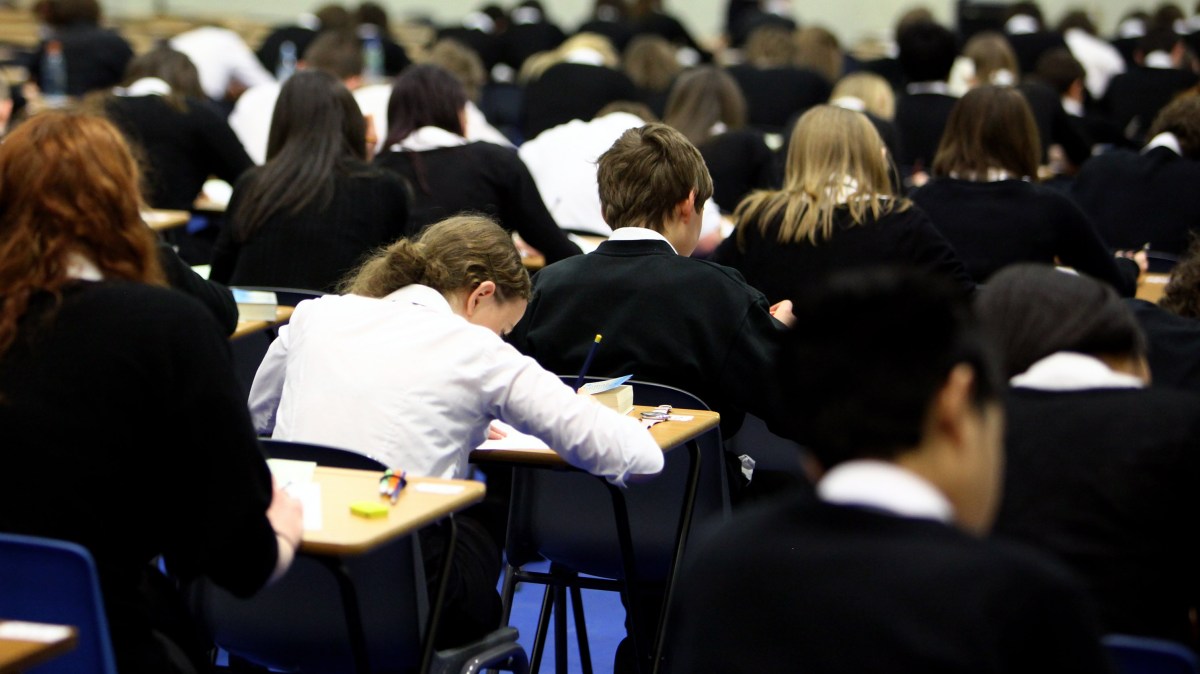
A recent survey conducted by Teacher Tapp, which gathered responses from nearly 10,000 teachers, highlights the stark differences in musical engagement across educational settings. Over half of state secondary school teachers—specifically, 57%—reported that their pupils never sing together in assemblies. In contrast, only 13% of private secondary school teachers and a mere 4% of primary teachers indicated the same. Furthermore, when asked about the availability of choirs at their schools, 36% of state secondary teachers noted the absence of a choir, compared to just 8% of their private school counterparts.
The disparity extends further, with private secondary schools boasting greater access to multiple choirs. Approximately 77% of private secondary teachers stated their schools have more than one choir, while only 27% of state secondary teachers reported similar resources.
Jackie Bowen, head teacher at The East Manchester Academy, recognizes the barriers that secondary school students face regarding participation in music. She explains that many pupils can feel “embarrassed” or perceive singing as less “cool” compared to their primary school experiences. Despite this, Bowen emphasizes the intrinsic value of music for student development and mental health. “We know what it does for students’ development, mental health, and its impact on academic achievements,” she states. The school has implemented various initiatives to promote music, including a weekly music hub featuring specialist teachers from the Royal Northern College of Music. Additionally, classical music plays at lesson changeovers instead of the traditional bell, and the school has recently formed its first gospel choir.
Year 11 student Mercy, an enthusiastic member of the school’s gospel choir, expressed her desire to continue singing in secondary school. She said, “In primary, they say you have to sing, but when you come to secondary, it’s a choice, so most people don’t do it. I feel like we should all release our voices to the world. Whether you’re good or not, just sing.”
The decline in music education is evident, with a reported 25% drop in students studying GCSE music over the past fifteen years. This trend has been influenced by the introduction of the English Baccalaureate in 2010, which emphasizes core subjects such as English, mathematics, sciences, geography or history, and a language. The government has announced plans to revise the school curriculum in England to facilitate the inclusion of arts subjects, including music.
While there has been some improvement in the recruitment of new music teachers this year, the numbers still fall 35% short of the government’s target for trainee music teachers, according to the latest statistics. James Manwaring, president of the Music Teachers Association, advocates for the establishment of choirs in every school. “All you need is a room and someone to lead it,” he asserts. “It’s a shame to think some state schools aren’t capitalising on that.”
Manwaring finds the proposed changes to the school curriculum in England “very exciting” for enhancing music education but stresses that additional funding and resources are essential for success. He also highlights the importance of retaining existing music teachers who contribute significantly to the field.
In a statement, a spokesperson for the Department for Education reaffirmed the government’s commitment to ensuring that art, music, and drama are accessible to all students, not just a privileged few. They noted that ministers are “investing millions” to enable schools to acquire musical instruments and equipment, as well as supporting high-quality music teaching through initiatives like Music Hubs. The spokesperson stated, “Our renewed curriculum will also give every young person the skills, knowledge, and experiences needed to achieve and thrive, including encouraging more people to study music and other creative subjects.”
As the conversation around music education continues, the call for more opportunities for singing and musical engagement in schools grows louder, reflecting a broader recognition of the vital role music plays in students’ lives.