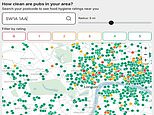
A recent audit by the Food Standards Agency (FSA) has unveiled a troubling trend among pubs, bars, and nightclubs in the UK, revealing that more than 1,200 venues have failed hygiene inspections. The findings indicate that approximately one in 42 establishments serving food do not meet minimum health standards, raising significant concerns about consumer safety.
The FSA’s annual report, published on December 25, 2025, highlights the fact that 1,224 venues received failing scores in inspections conducted across England, Wales, and Northern Ireland. Among those, 45 establishments, including notable chains such as BrewDog, received a score of zero—the lowest possible rating—indicating that urgent improvements are necessary to rectify serious health violations.
Some of the most alarming reports from inspectors included instances of rotting food, rodent droppings, and insect infestations. In one particularly egregious case, the Top Secret Comedy Club in Covent Garden, London, was cited for zero hygiene standards after inspectors found mouse droppings on bar surfaces and mold in the ice machine.
Hygiene Ratings and Public Awareness
In the UK, food venues are rated on a scale from zero to five, with scores of two or below classified as failures. The recent analysis revealed that 583 establishments scored two, while another 376 received a rating of one, indicating that major improvements are required. This means that consumers are advised to exercise caution when dining at these establishments, especially those rated poorly.
Public awareness regarding hygiene ratings has significantly increased in recent years, with more individuals checking online ratings before choosing where to eat or drink. According to a spokesperson from Food Safety Consultancy UK, a lack of displayed hygiene ratings should raise immediate concerns among consumers.
Although it is not legally mandated for businesses in England to display their hygiene ratings, the FSA recommends that all establishments do so. Currently, only 72% of venues choose to make their ratings visible. In contrast, establishments in Wales and Northern Ireland are required by law to display their scores.
Local Authority Challenges and Food Safety Risks
The report also highlights disparities in hygiene ratings based on local authority performance. For instance, Aberdeen reported a distressing failure rate of 13.5%, followed closely by Highland at 12.5% and Ealing at 10.5%. In total, 220 businesses in Scotland received an “Improvement Required” designation, indicating a need for significant changes to meet health standards.
The challenges faced by local councils in conducting inspections are exacerbated by staff shortages and budget constraints. Over the past decade, the number of food standards inspectors has decreased by 45%, raising concerns about the effectiveness of the existing system. There are currently 1,976 food-serving pubs that have never been inspected, according to the FSA.
Despite these setbacks, the FSA maintains that food hygiene standards across the UK are largely high, with nearly 97% of establishments achieving a rating of “generally satisfactory” or better. The agency emphasizes that inspection results are regularly updated online and are designed to protect public health.
While the inspection system has its merits, experts argue that the lack of mandatory display of hygiene ratings in England may hinder efforts to improve food safety. The Local Government Association acknowledged that it is ultimately the responsibility of food businesses to ensure compliance with food safety laws, regardless of local authority resources.
As consumer awareness grows and public scrutiny of hygiene practices increases, the focus remains on ensuring that establishments prioritize health standards and consumer safety. The consequences of failing to meet these standards can lead not only to reputational damage but also to potential legal action against businesses that compromise food safety.