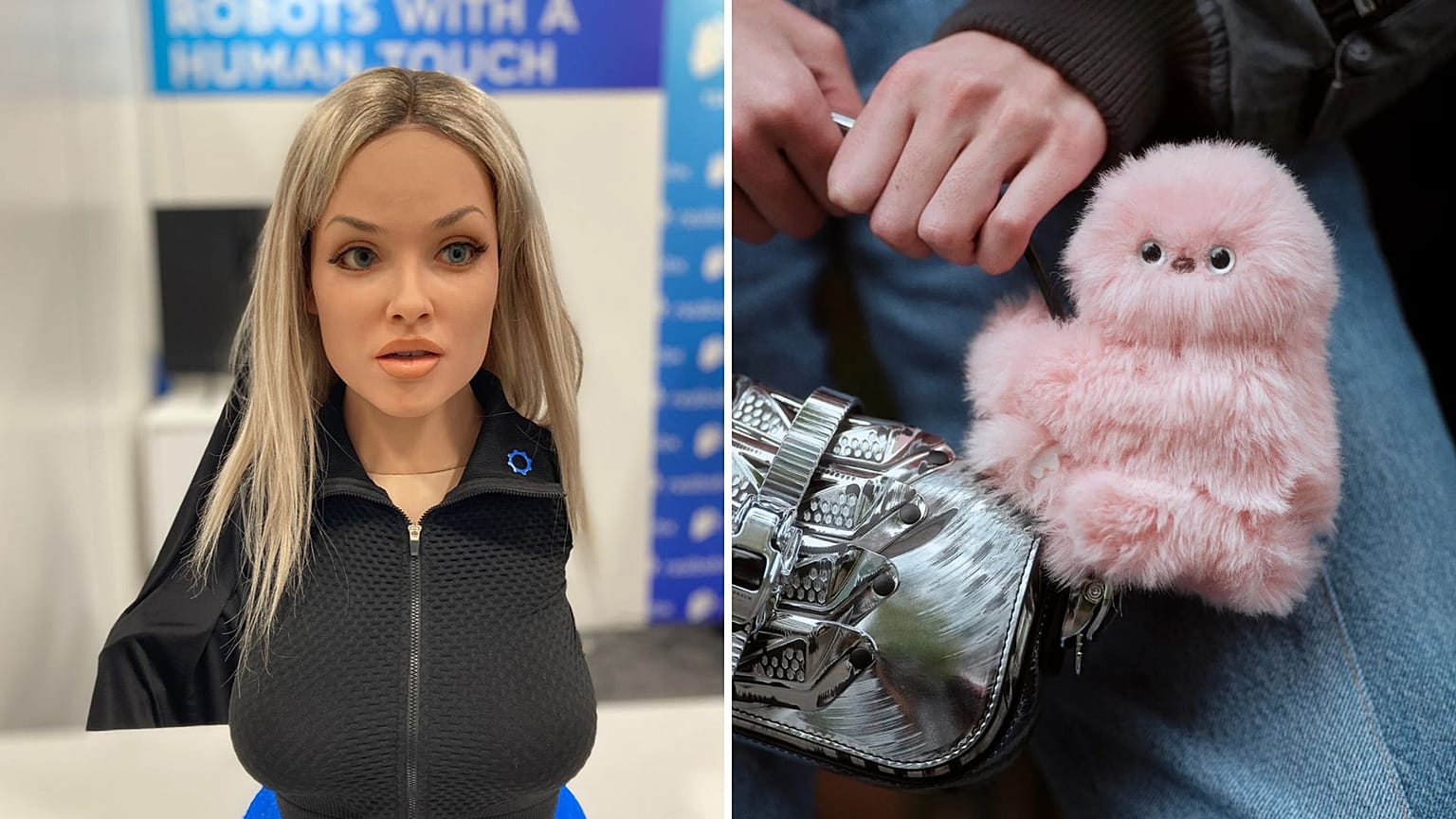
Technological advancements in 2025 have introduced a range of innovative and unconventional gadgets, showcasing the creativity of the tech industry. From humanoid robots that assist with household chores to AI-powered devices designed for personal grooming, the year has highlighted both practicality and whimsy in technological development. These inventions reflect not only major breakthroughs in artificial intelligence (AI) but also quirky projects that capture public imagination.
Humanoid Robots Take Center Stage
Among the standout innovations is NEO, the world’s first consumer-ready humanoid robot introduced by 1X Home Robots. NEO can perform tasks such as folding laundry and organizing shelves, learning user preferences through a built-in large language model (LLM). This multifunctional device is equipped with WiFi, Bluetooth, and a three-stage speaker, enabling it to serve as both an assistant and an entertainment system.
Another intriguing development is the Woofwoof Lux, an AI-powered dog-washing machine that customizes wash modes according to the dog’s breed and coat type. While not yet available for purchase, users can experience the benefits of this innovative pod at Paws 48, a dog gym and grooming facility in the United States. The Woofwoof Lux utilizes gentle water jets and pet-safe products to ensure a stress-free bathing experience for dogs.
Quirky Gadgets Capture Attention
The Mirumi is a unique wearable companion, developed by Yukai Engineering, the same team responsible for the robotic cat cushion Qoobo. With sensors and expressive googly eyes, Mirumi interacts with its environment and is designed to cling to everyday objects, making it an adorable accessory set for release in April 2026.
For those seeking a more advanced robotic experience, the Ropet offers a handheld robot pet that listens, remembers faces, and responds to hand gestures. With the ability to vibrate and change eye colors, Ropet is designed for low-maintenance companionship without the need for food.
Also noteworthy is the Skincase, a silicone phone case designed by researcher Marc Teyssier in collaboration with Virgin Media O2. Mimicking the appearance of human skin, it changes color in response to UV light, serving as a reminder to apply sunscreen throughout the day.
In a more personal realm, Realbotix introduced Aria, a customizable humanoid robot designed for emotional connection rather than physical intimacy. CEO Andrew Kiguel emphasized that Aria aims to provide emotional support, featuring advanced body mobility and modular parts for user customization. Prices range from $10,000 (€9,700) for a basic model to $175,000 (€170,000) for a fully functional unit.
In the culinary space, the Spicerr has emerged as the first AI-powered spice dispenser, which calculates the precise amount of spices needed for recipes, thus eliminating common mistakes in cooking.
Lastly, the Smart Lipstick prototype from Grupo Boticário offers a hands-free application experience. Utilizing AI and robotic technology, it can accurately apply lipstick in about two minutes, catering to those seeking convenience in their beauty routines.
These innovations exemplify the diverse and imaginative advancements in technology during 2025, blending functionality with creativity and providing glimpses into the future of consumer tech.