
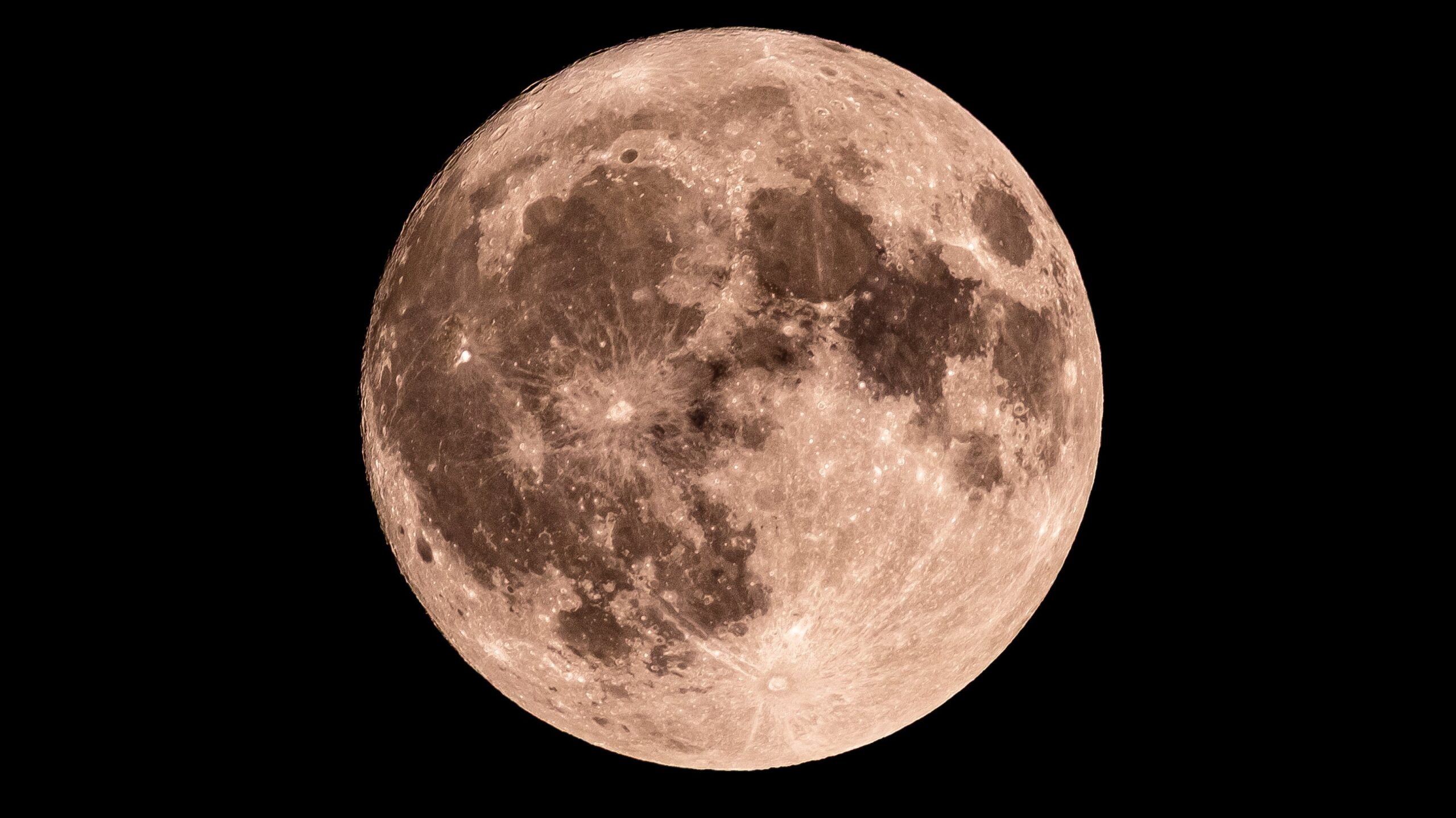
The Moon is currently in the Waxing Crescent phase, offering a captivating view for skywatchers on December 26, 2023. As it progresses through its new cycle, approximately 37% of its surface will be illuminated tonight. This phase presents a unique opportunity for enthusiasts to observe various lunar features without the need for advanced equipment.
For those looking to spot specific lunar landmarks, the Mares Crisium, Fecunditatis, and Serenitatis are visible to the naked eye. Binoculars enhance the experience, revealing the intricate details of the Endymion Crater and the Posidonius Crater. A telescope will further amplify the view, allowing observers to see the historic landing sites of the Apollo 11 and Apollo 17 missions, as well as the Rupes Altai.
Understanding Moon Phases
The concept of moon phases is rooted in the Moon’s orbit around Earth. According to NASA, the Moon takes about 29.5 days to complete one full cycle, known as the lunar cycle. As the Moon travels, varying amounts of sunlight reflect off its surface, resulting in different appearances throughout the month.
The lunar cycle comprises eight primary phases:
– **New Moon**: The Moon is positioned between Earth and the Sun, rendering it invisible.
– **Waxing Crescent**: A small crescent of light appears on the right side (for observers in the Northern Hemisphere).
– **First Quarter**: Half of the Moon is illuminated on the right side, resembling a half-moon.
– **Waxing Gibbous**: More than half of the Moon is lit but not yet full.
– **Full Moon**: The entire face of the Moon is illuminated and fully visible.
– **Waning Gibbous**: The Moon begins to lose light on the right side.
– **Third Quarter (or Last Quarter)**: Again, half of the Moon is visible, but this time, the left side is illuminated.
– **Waning Crescent**: A thin sliver of light remains on the left side before the Moon returns to darkness.
Upcoming Lunar Events
Skywatchers can look forward to the next full moon, which will occur on January 3, 2024. The recent full moon on December 4 marked a significant point in this lunar cycle, making the current Waxing Crescent phase a fascinating time to observe the changes.
For those interested in astronomy, today’s Waxing Crescent offers a wonderful chance to appreciate the beauty of the Moon. Whether using the naked eye, binoculars, or a telescope, the night sky holds numerous surprises for those willing to look up.


