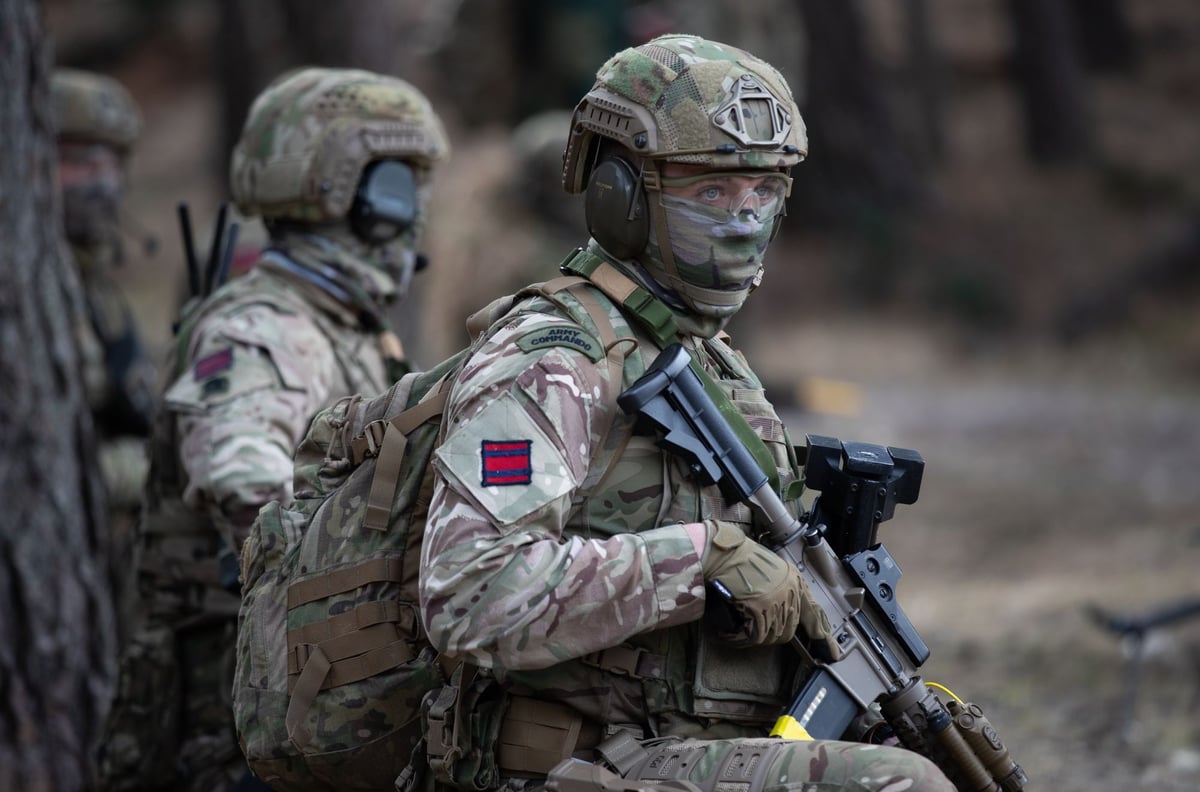
Teenagers in the United Kingdom will have the opportunity to participate in paid gap years with the armed forces, marking a significant shift towards a “whole of society” approach to national defence. Starting in March 2026, the initial phase will recruit around 150 young individuals for placements lasting up to two years, with plans to increase this number to over 1,000 annually.
The initiative aims to introduce participants to military life and equip them with transferable skills in case they choose not to enlist. It will be available to those under the age of 25, although recruits will not be deployed on active operations during their placements. Details regarding the remuneration for these positions have yet to be disclosed.
Defence Secretary John Healey emphasized the importance of this scheme, stating it would allow young people to experience the “incredible skills and training” offered by the Army, Royal Navy, and Royal Air Force (RAF). He noted that as families gather during this time of year, discussions about future opportunities in the armed forces should be part of those conversations.
The Army’s program will include 13 weeks of basic training within the two-year placement, while the Navy’s scheme is designed to last one year and will provide “profession agnostic” training for sailors. The RAF is currently in the process of developing its approach to this initiative, with details still being formulated.
The Army already provides gap year placements for individuals either before, during, or immediately after university, which typically last one year. Currently, around 30 places are available under the Army’s internship scheme, previously known as gap year commissions. However, fewer than 10 recruits enrolled for the 2024/25 period. The new gap year scheme is expected to be more inclusive, allowing a broader range of young people to participate.
In comparison, Australia has been successfully running a gap year scheme for its military for individuals aged between 17 and 24. In 2023, 664 people enlisted in the Australian program, with just over half of them transitioning into permanent roles within the country’s defence force.
Several European nations are also exploring similar initiatives in response to escalating security concerns, particularly regarding threats from Russia. Countries such as France, Germany, and Belgium have introduced national service schemes within the past year, reflecting a growing recognition of the need for a coordinated defence strategy.
The Chief of the Defence Staff, Air Chief Marshal Sir Rich Knighton, has underscored the necessity for Britain’s youth to be “ready to fight” amidst rising global tensions. This new program aims not only to bolster military recruitment but also to foster a sense of societal responsibility towards national defence.