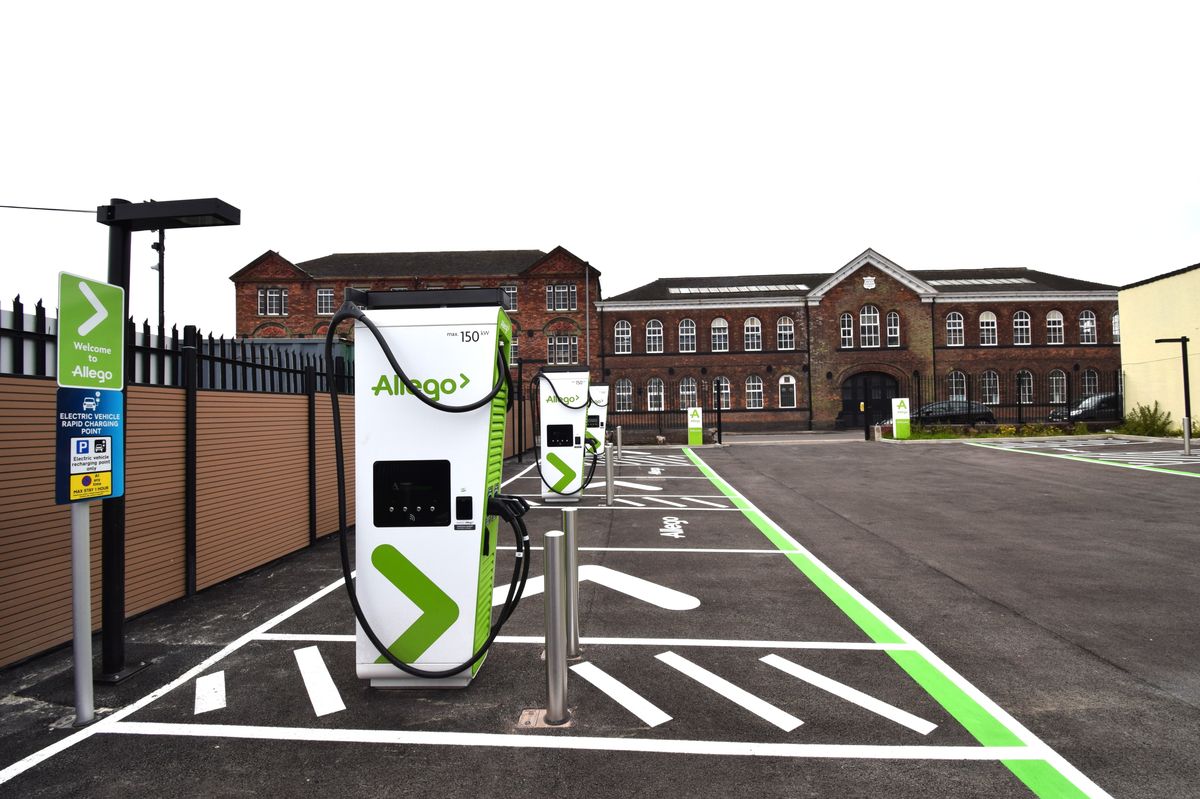
Stoke-on-Trent is set to significantly expand its electric vehicle (EV) charging infrastructure, aiming to increase the number of public charging points from just 86 to over 800 by 2030. This initiative is part of the city council’s newly unveiled Electric Vehicle Infrastructure Strategy, which seeks to support the anticipated growth in electric vehicle usage over the next five years.
Currently, there are approximately 1,700 registered EVs in Stoke-on-Trent, a figure expected to rise dramatically. Projections indicate that by 2030, around 25 percent of all cars on the city’s roads will be electric. The existing charging points are mainly located at service stations and retail parks, highlighting a clear need for a more extensive network to meet future demand.
Strategic Vision for a Sustainable Future
Councillor Finlay Gordon-McCusker, who serves as the cabinet member for transport, infrastructure, and regeneration at Stoke-on-Trent City Council, emphasized the importance of providing accessible charging options. “Electric vehicles give us cleaner air and quieter streets, so we need to make sure that they are accessible to everyone,” he stated. The council plans to invest millions of pounds in upgrading the existing infrastructure, focusing on areas with poor air quality and neighborhoods lacking off-street parking.
The Electric Vehicle Infrastructure Strategy aligns with the UK government’s commitment to phase out petrol and diesel cars by 2030 and hybrid vehicles by 2035. Supported by £3 million from the government’s Local Electric Vehicle Infrastructure (LEVI) fund, the council aims to establish a robust network of charging stations that not only promotes environmental sustainability but also fosters economic growth.
Community Engagement and Future Plans
To ensure the strategy meets the needs of local residents, the council conducted a five-week consultation. This initiative gathered input from current EV owners, those considering the switch, and individuals who had not yet contemplated electric vehicles. By actively engaging the community, the council aims to create a system that benefits all residents of Stoke-on-Trent.
The proposed expansion of the EV charging network represents a critical step toward a cleaner and more sustainable future for the city. It reflects a commitment to enhancing the quality of life for residents while also addressing broader environmental concerns. With the planned infrastructure upgrades, Stoke-on-Trent is laying the groundwork for a more sustainable transportation system that can accommodate the growing number of electric vehicles on its roads.