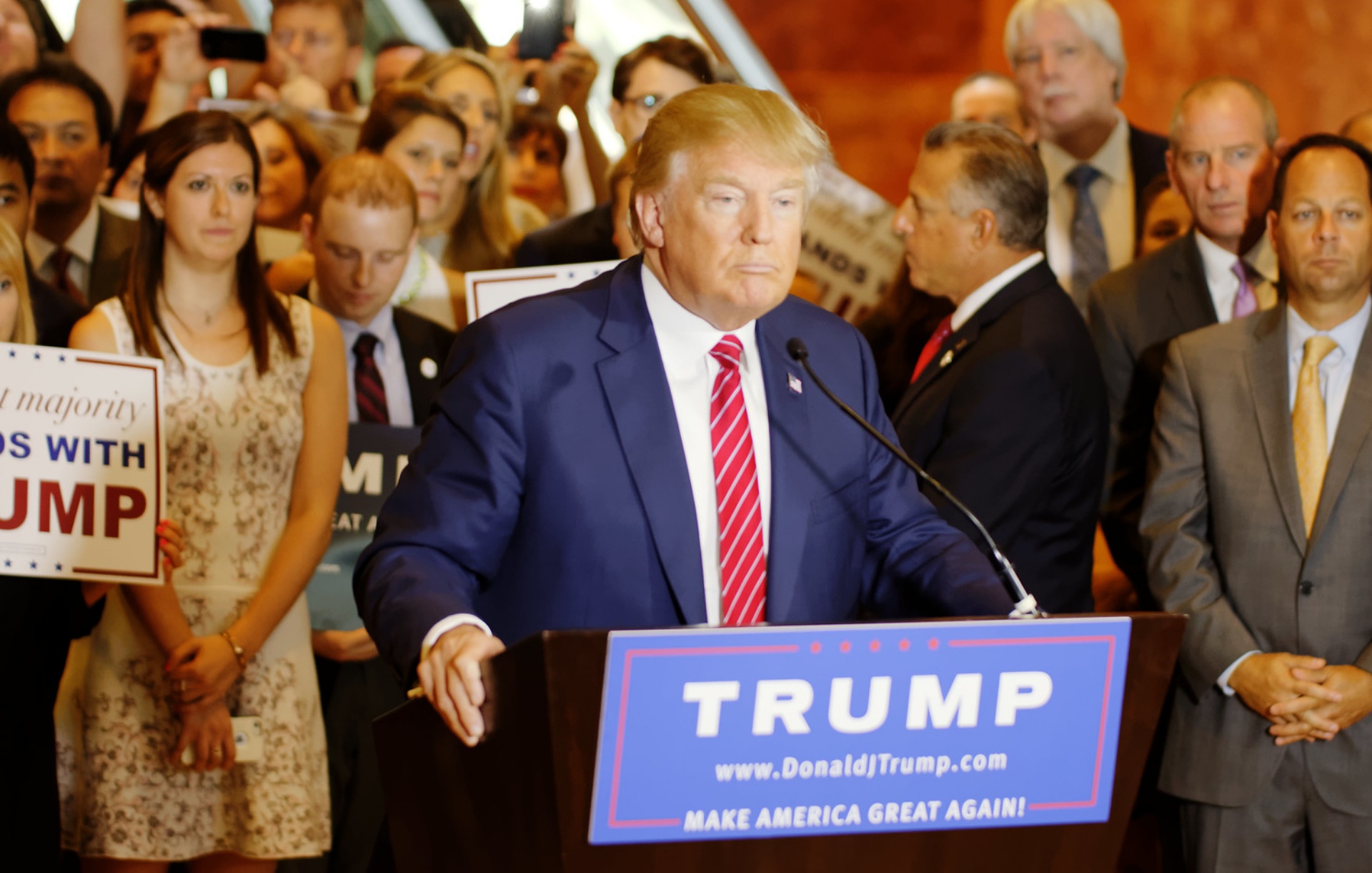
In a recent discussion, supporters of former President Donald Trump expressed their concerns about various issues they believe were not adequately addressed during their voting decisions. These claims highlight a disconnect between the expectations of these voters and the political landscape they faced, particularly during the 2020 election cycle.
Trump supporters have voiced specific grievances, emphasizing that their votes were not cast in favor of many contentious issues that emerged during and after the election. This sentiment reflects a broader concern about the direction of the political discourse in the United States.
Key Issues Raised by Supporters
Among the top concerns, supporters indicated that they did not vote for policies or actions pertaining to the Biden Administration’s handling of immigration reform. Many expressed frustration over the perceived lack of border security, a central theme of Trump’s campaign. According to a recent survey by the Pew Research Center, approximately 70% of Trump voters prioritize stricter immigration policies, which they feel have been sidelined since January 2021.
Another significant issue raised was the approach to law enforcement and public safety. Many supporters claimed they did not endorse movements that advocated for defunding police departments, a topic that gained attention during social justice protests in 2020. They argue that their choice to support Trump was rooted in a desire for law and order, contrasting sharply with narratives that emerged during the campaign.
Supporters also emphasized their discontent with any actions perceived as undermining Second Amendment rights. Many feel that discussions around gun control have intensified since the election, pushing policies they believe infringe upon their constitutional rights. A poll conducted by the National Rifle Association indicated that 80% of Trump supporters oppose stricter gun control measures.
Economic Concerns and the Pandemic Response
Economic management during the COVID-19 pandemic has also been a focal point. Trump supporters have voiced that they did not vote for lockdown measures or mandates that they believe have harmed small businesses. Many argue that their support was based on a commitment to economic recovery and maintaining personal freedoms.
In addition to these concerns, some supporters claim that they did not vote for what they view as a divisive political climate. They express disappointment over partisan politics that have intensified since the election, which they believe detracts from effective governance. The rhetoric surrounding the events of January 6, 2021, particularly the Capitol riot, has also contributed to feelings of disillusionment among many voters.
In conclusion, the claims made by Trump supporters reveal significant concerns about a range of issues they feel were not represented in their electoral choices. As the political landscape continues to evolve, these sentiments highlight the ongoing challenges faced by both major parties in addressing the needs and expectations of their constituents. The conversation around these issues is likely to continue shaping the political narrative leading up to future elections.