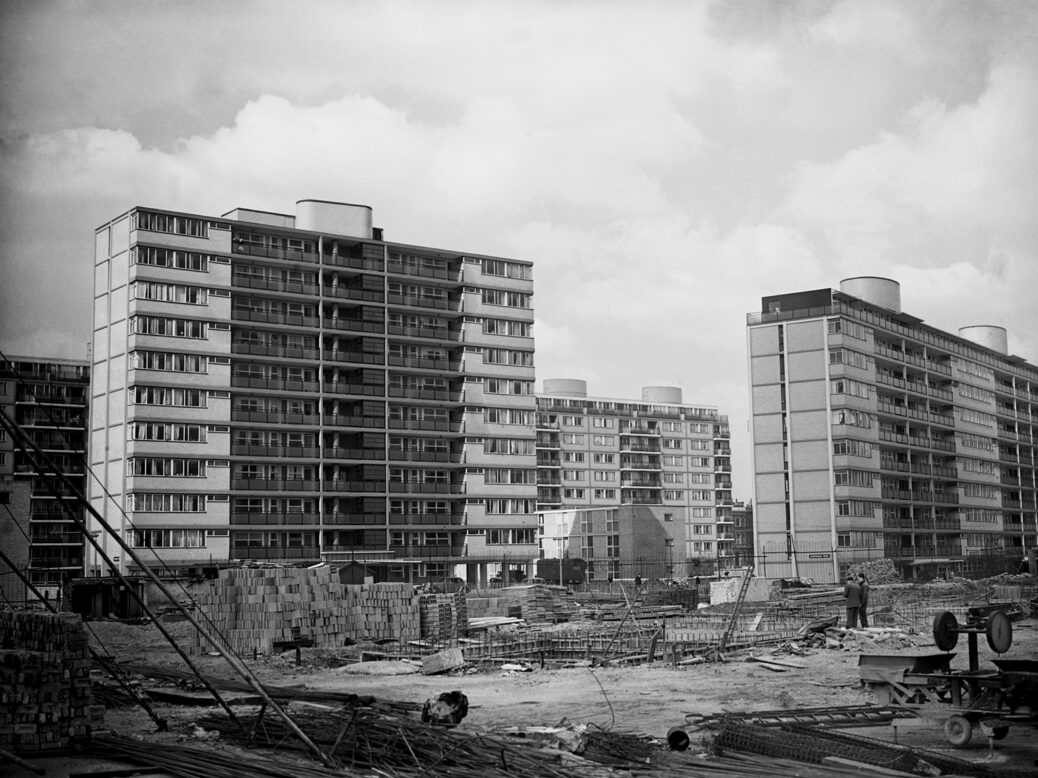
URGENT UPDATE: The Labour Party is facing increasing calls to reconnect with the spirit of post-war Britain as social tensions rise and economic challenges escalate. With 15 years of stagnant growth and a severe housing crisis, a new generation within Westminster is urging a reevaluation of past strategies that once fostered national unity and economic revival.
Recent discussions among younger political figures reveal a significant shift in perspective. Many are now celebrating the achievements of the 1950s, 1960s, and 1970s—a time marked by substantial government-led initiatives, including the establishment of the civil nuclear program and expansive housing projects. These successes stand in stark contrast to today’s struggles with housing shortages and rising living costs.
Key voices in the Conservative Party, particularly younger members, are increasingly advocating for a return to principles that prioritize community and social cohesion over rampant consumerism, a legacy of Thatcherism. They express admiration for the stability and community spirit that characterized the post-war era, viewing recent decades of low migration and strong local ties as models for future governance.
However, a paradox emerges: while many conservatives and YIMBYs (Yes In My Back Yard advocates) admire the post-war achievements, they struggle to reconcile their admiration with the fundamental economic principles of neoliberalism that dominate their current policies. Critics argue that the decline in state involvement, particularly in housing and infrastructure, has stifled growth and innovation in these critical areas.
The Future of the Left project, led by notable thinker Jonathan Rutherford, aims to bridge this divide by advocating for a nationalist economic approach while embracing social conservatism. This initiative seeks to reinvigorate Labour’s connection to its historical roots, promoting policies that prioritize domestic production and community building.
Labour leader Keir Starmer has made tentative moves toward this vision, referencing the need to “rebuild Britain” in the spirit of former Prime Minister Clement Attlee. However, critics within the party express concern that Labour’s focus remains too fixated on the 2000s, overlooking the lessons and successes of the past.
As the UK grapples with the realities of being outside the European Union, leaders are reminded of the importance of self-sufficiency and domestic industry. Recent events have underscored the volatility of global markets, making a strong national economy increasingly vital for Britain’s future.
The ongoing housing crisis and surging energy prices serve as reminders of the pressing need for effective policy reform. As industrial strategy regains relevance, Labour must adapt its vision to meet the challenges of the modern era while drawing inspiration from the resilience and achievements of the post-war period.
The coming weeks will be critical for Labour. As they navigate the complexities of identity and policy, the party has an opportunity to redefine its narrative and reclaim its role as a champion for the nation’s future. The question remains: will they seize this moment, or continue to chase shadows of the past?
People are watching closely, as the implications of these discussions could shape Britain’s political landscape for years to come.