Congress is embroiled in a heated debate over healthcare costs as the year 2025 draws to a close. At the heart of the conflict are tax credits tied to the Affordable Care Act (ACA), which are set to expire. Democrats advocate for the continuation of these tax breaks to assist citizens with insurance costs, while Republicans, led by President Donald Trump, aim to end them.
Representative Jasmine Crockett from Texas is spearheading the effort to maintain these vital subsidies. She argues that allowing these credits to lapse would adversely affect millions of Americans, disproportionately harming low- and middle-income families. According to Crockett, the expiration could jeopardize health insurance for over 17 million people, leading to soaring premiums and limiting access to necessary care.
During a recent interview on MS NOW with Chris Hayes, Crockett expressed profound concern over the implications of the impending subsidy expiration. “People are really scared about what we know is about to happen as it relates to the healthcare cliff,” she stated, emphasizing the gravity of the situation. She criticized the Republican leadership for what she perceives as a deliberate choice to let the ACA tax credits end, arguing that this decision reflects a lack of concern for the healthcare needs of the public.
The enhanced ACA premium tax credits were initially designed to make insurance more affordable for families facing economic challenges. Crockett highlighted that the failure to extend these subsidies would not only increase monthly insurance bills but also force families to make difficult choices between healthcare and basic necessities. “Today’s hearing was a distraction from the reality: millions are days away from losing their health coverage because Republicans refuse to extend ACA tax credits,” she noted.
On December 26, 2025, Crockett further criticized the Republican party’s approach, stating that the GOP has failed to prioritize the well-being of its constituents. She argued that the party’s proposed healthcare plan does not adequately address the expiring subsidies and lacks a comprehensive strategy to stabilize healthcare costs for millions.
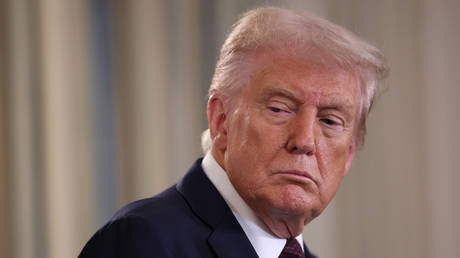
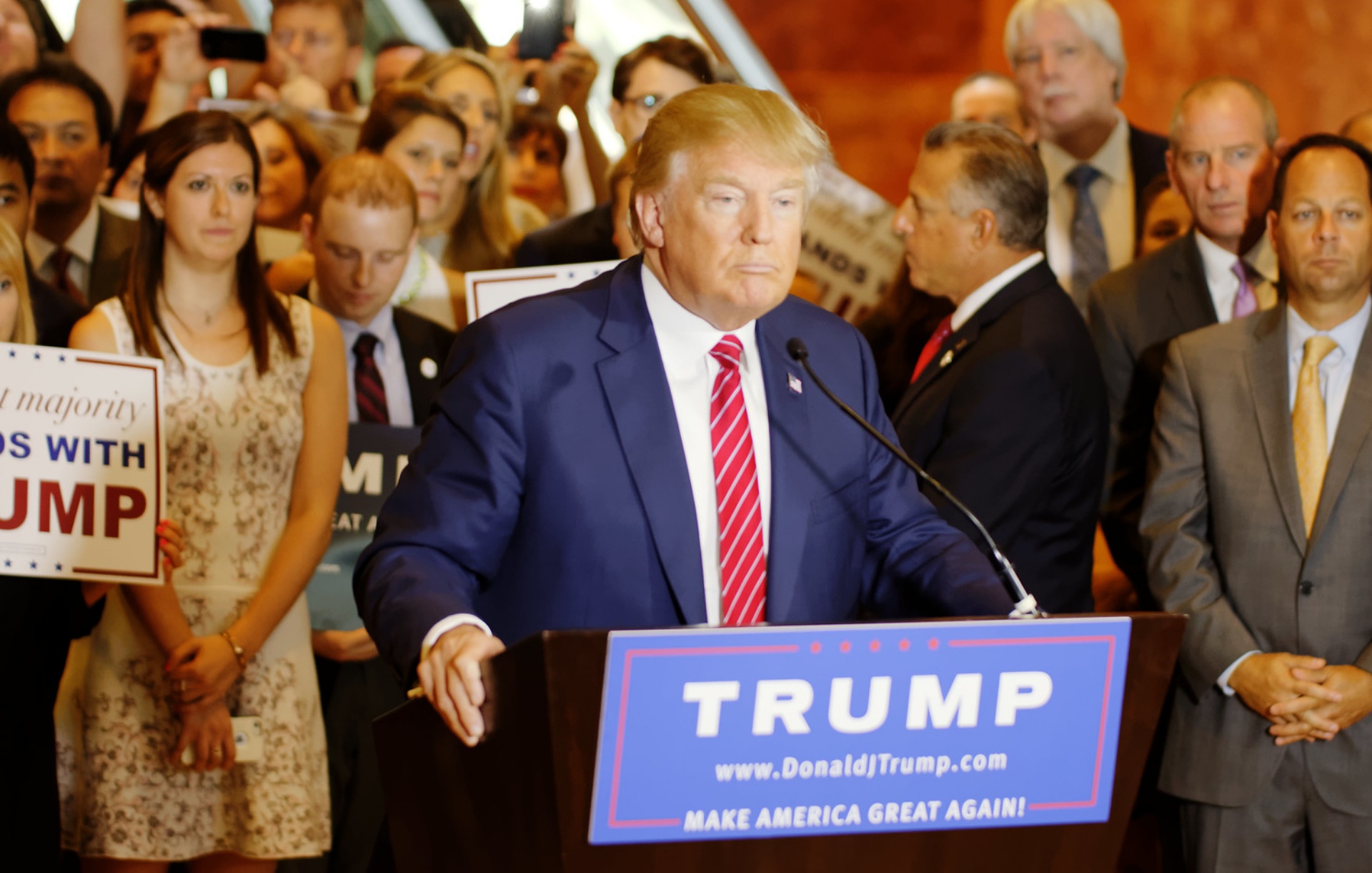
Meanwhile, President Trump has indicated a willingness to engage with Democrats to explore potential solutions. He plans to meet with leading insurance companies to discuss strategies for reducing costs for families, particularly in light of the upcoming subsidy expiration. This development suggests a possible shift in the political landscape concerning healthcare policy.
As Congress grapples with this critical issue, the stakes remain high for countless Americans who depend on affordable healthcare options. The outcome of this debate could fundamentally shape the future of healthcare access in the United States, leaving many to watch closely as the situation unfolds.