The turn of the millennium was once the subject of great speculation, representing both a time of hope and fear. Cultural references, from Stanley Kubrick’s film *2001: A Space Odyssey* to the television series *Space: 1999*, framed the year 2000 as a pivotal moment. The comic *2000 AD*, which introduced the character Judge Dredd, associated the dawn of the new millennium with apocalyptic themes. As the year approached, a sense of impending doom began to take hold, fueled by the rise of doomsday cults and a growing anxiety surrounding technological failures.
In the mid-1990s, fears intensified as various cults emerged, including the Branch Davidians in Waco, Texas, where a tragic standoff in 1993 resulted in the deaths of 82 members and four federal agents. Other groups, such as the Order of the Solar Temple and Aum Shinrikyo, were linked to mass suicides and attacks that claimed dozens of lives. These incidents created a climate of concern, prompting figures like George Carey, the Archbishop of Canterbury, to reflect on the decline of church attendance and the potential extinction of mainstream religious institutions.
As the new millennium approached, the most pressing threat came from technology. The Y2K bug, discovered in 1995, raised alarms about potential failures in computer systems due to a two-digit representation of years. The fear was that a switch from 1999 to 2000 could cause widespread chaos, affecting hospitals, banks, and other critical infrastructure. Predictions ranged from minor disruptions to catastrophic failures, including rogue nuclear launches. Ultimately, the extensive measures taken to address Y2K costs between $300 billion and $500 billion, but when the clock struck midnight on January 1, 2000, the anticipated disaster never materialized.
This absence of catastrophe led some to question whether the Y2K panic had been exaggerated. In the wake of the Brexit referendum, Bernard Jenkin, a Conservative MP, likened the situation to the millennium bug, suggesting that fears had been overblown. The early 21st century began with a notable skepticism toward experts and predictions, highlighting a cultural shift in public perception.
While the millennium was initially a source of excitement, it soon became a backdrop for reflection on societal complacency. The optimism of the 1990s was palpable, with the global economy booming and cultural movements like Britpop symbolizing a carefree spirit. Songs like Pulp’s “Disco 2000” and Blur’s “End of a Century” conveyed a sense of celebration rather than impending doom. The year 2000 became less about momentous change and more about a collective gathering to mark a milestone.
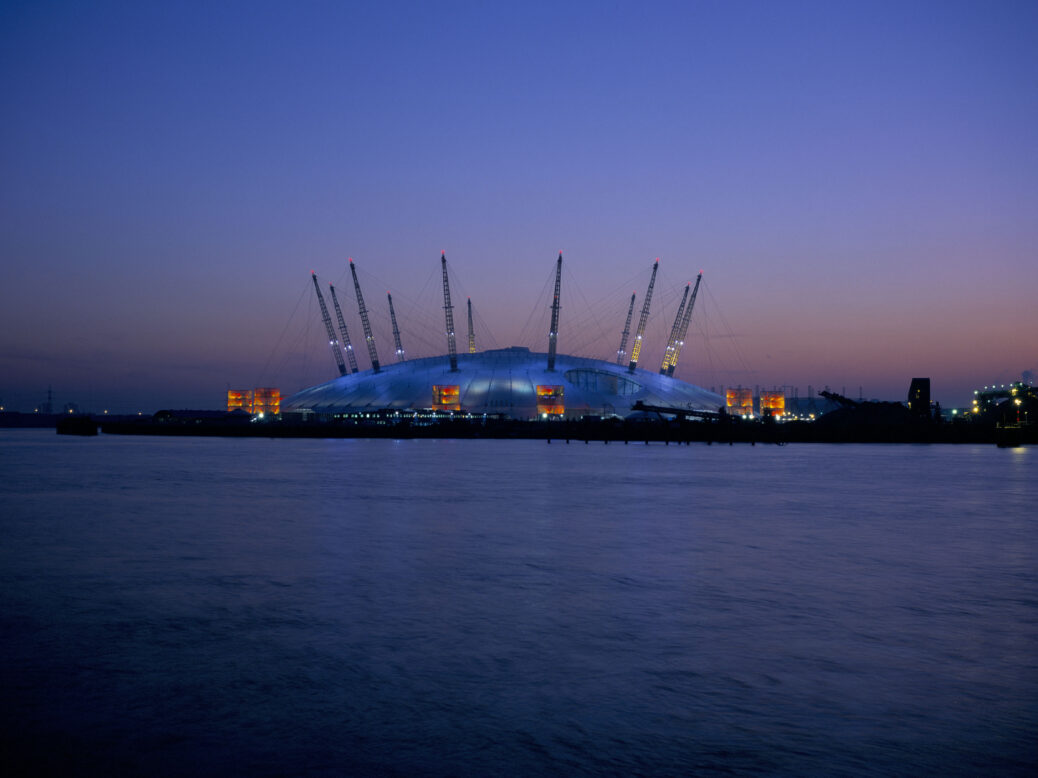
The ambitious Millennium Dome, conceived by Michael Heseltine, aimed to serve as a national symbol of confidence. Yet, the project faced challenges, including a lack of coherent vision and political changes, particularly with the rise of Tony Blair and the Labour Party in 1997. Blair’s government opted to expand the Dome project, which ultimately struggled to attract the anticipated 12 to 15 million visitors, drawing only 6.5 million instead.
As time passed, the significance of the millennium receded. The Dome, later rebranded as the O2 Arena, became a symbol of a grand but ultimately empty aspiration. Other projects, such as the Millennium Wheel, which faced delays and issues, and the Millennium Footbridge, which had to be closed shortly after opening due to structural problems, further illustrated the disconnect between ambition and reality.
By 2001, Tony Blair reflected on the millennium, noting that it had marked merely a moment in time. The cultural amnesia surrounding the event became evident as many of its landmarks were renamed or forgotten. The Millennium Stadium in Cardiff is now known as the Principality Stadium, and various other structures underwent rebranding to distance themselves from the millennium narrative.
In retrospect, the hopes and fears surrounding the millennium encapsulated a broader dynamic of public expectations and disillusionment. The era was marked by a desire for significance, but ultimately, the events surrounding the turn of the century revealed a tendency toward superficiality and disappointment. The notion that the world could end due to a technical glitch now seems trivial, a stark contrast to the apocalyptic themes that once dominated the discourse.
The legacy of the millennium continues to resonate, serving as a reminder of the complexities of societal aspirations and the challenges of navigating change in the modern world. As the 21st century unfolds, the sense of unease and mistrust that characterized the millennium remains a poignant backdrop to contemporary life.