
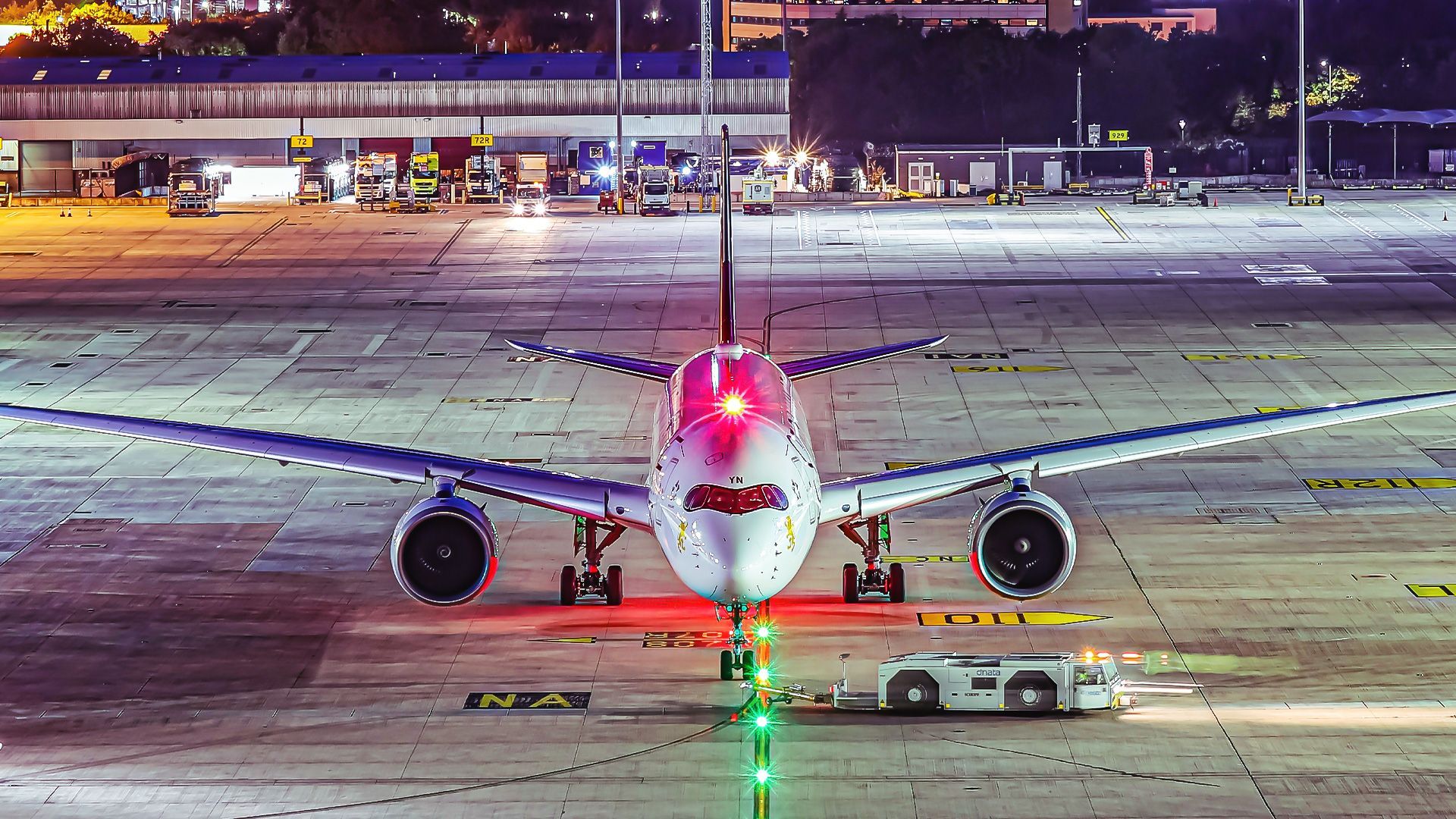
European aircraft manufacturer Airbus has successfully exceeded its 2025 delivery target, achieving the delivery of 793 aircraft during the calendar year. This milestone comes after intensive efforts in the final days of the year, as reported by Bloomberg. Initially, Airbus had set a goal of delivering 820 airplanes but had to revise its forecast due to multiple challenges, including software issues affecting the A320 fleet and quality concerns with fuselage panels.
Despite not yet confirming the exact number of aircraft delivered, various media outlets estimate that Airbus delivered over 790 aircraft. Reuters estimates the figure to be around 790, while aviation analytics firm Cirium anticipates a total of 782 aircraft. Although Airbus remains the world’s largest planemaker in terms of production and delivery, it faces stiff competition from the U.S. manufacturer Boeing, particularly regarding the total number of new orders.
Airbus plans to release its audited order and delivery figures once the markets close on January 12, 2026. The performance metrics of both Airbus and Boeing serve as important indicators of the stability of the global airline industry. Over recent years, Airbus has contended with supply chain challenges, which have sometimes delayed aircraft handovers.
Airbus vs. Boeing: A Competitive Landscape
The year 2025 marks a significant rebound for both Airbus and Boeing, with an estimated total of more than 1,400 aircraft expected to be delivered by the end of the year. This resurgence signifies a return to pre-pandemic delivery levels. In 2024, Airbus managed to deliver 700 commercial aircraft to 86 international customers, solidifying its position as the leader in commercial aircraft deliveries. Preliminary estimates suggest a difference of around 150 aircraft between Airbus and Boeing once complete delivery numbers are confirmed.
Highlighting its determination, Airbus made headlines on December 19 by delivering ten A321neo aircraft in a single day. The recipients included major airlines such as Air China, Wizz Air, and IndiGo, demonstrating the strong demand for its aircraft models.
On the other hand, Boeing has focused on recovery, navigating through various challenges including quality control issues and delivery delays. The company aims to deliver around 650 aircraft for the year, with a significant portion being the Boeing 737 MAX. The ongoing challenges with the 777X project, which has yet to see a delivery, add further pressure to Boeing’s recovery efforts.
Looking Ahead: Airbus in 2026
As 2026 approaches, Airbus has several key developments on the horizon. One of the most anticipated deliveries is the long-awaited A350-1000ULR, which will be instrumental in Qantas‘s ambitious Project Sunrise. This initiative aims to facilitate non-stop flights from Sydney to major cities like New York and London, with the first aircraft expected to arrive in late 2026. These planes will be capable of flying for up to 22 hours non-stop.
Airbus is also planning to increase output of the A320 family to meet ongoing demand. The company is set to open a second assembly line in Tianjin, China, and repurpose another line in Toulouse for the A321, previously associated with the now-defunct A380 program. According to Aerospace Global News, Airbus will continue its drive into 2026 with high delivery targets centered on the A320neo and A321XLR, while also looking forward to the inaugural flight of the A350F.
Airbus CEO Guillaume Faury emphasized that 2026 will be “another year of progressive ramp-up,” signaling a strong commitment to growth and innovation in the years ahead. As Airbus navigates these developments, the focus will remain on overcoming existing challenges while maximizing delivery efficiency.


