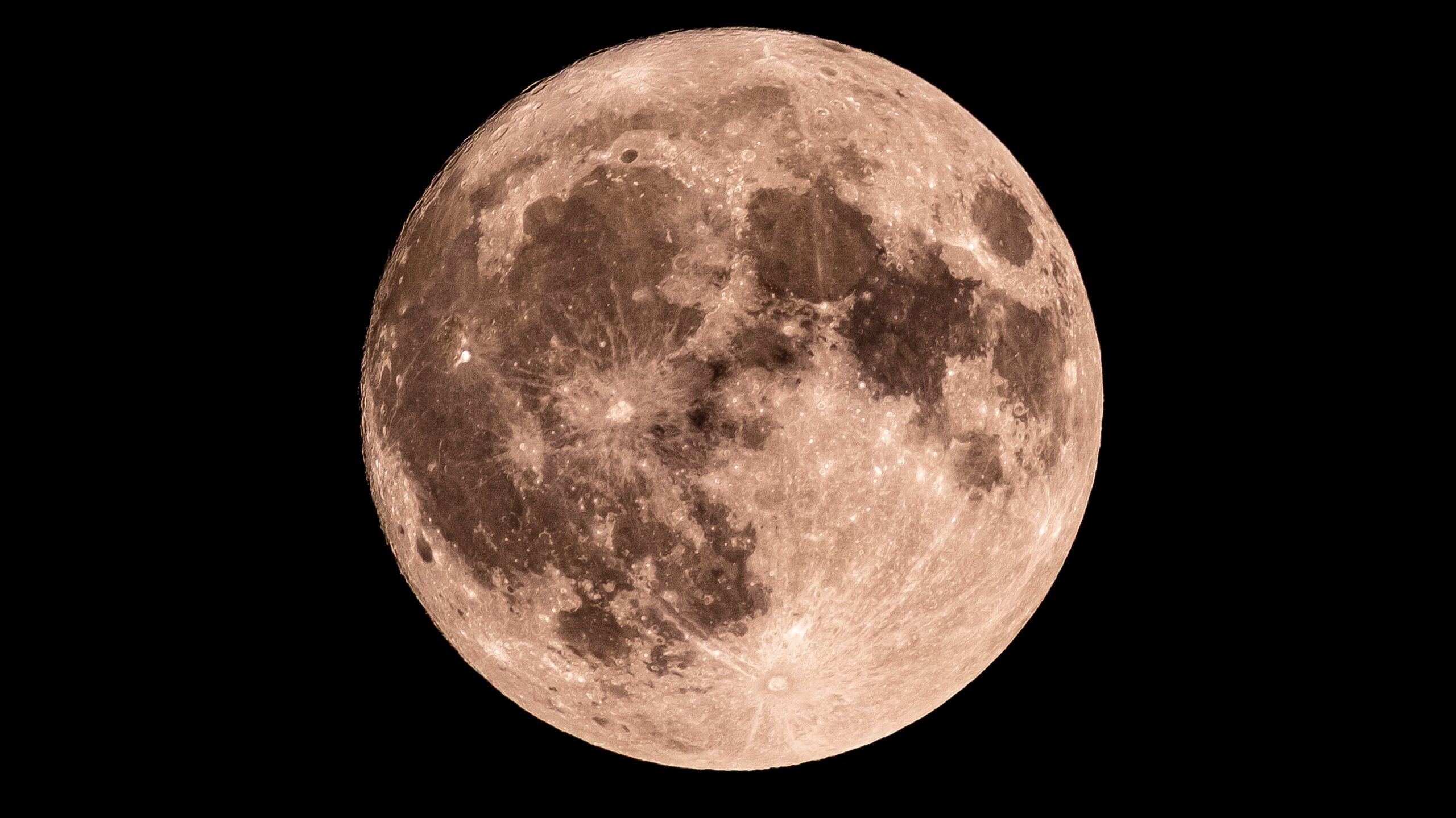
As of January 4, 2024, the Moon is in its Waning Gibbous phase, with approximately 98.6% of its surface illuminated tonight. This marks a notable transition following the recent Full Moon, as the Moon gradually decreases in visibility until it reaches the New Moon phase.
Understanding the lunar phases can enhance our appreciation for this celestial body. According to NASA, the Moon completes a full cycle, known as the lunar cycle, approximately every 29.5 days. During this time, it progresses through various phases as it orbits the Earth. These phases result from the changing angles of sunlight hitting the Moon, altering how we perceive its illumination from our vantage point.
Phases of the Moon Explained
The lunar cycle is divided into eight primary phases, each representing a unique phase of visibility:
– **New Moon**: The Moon is positioned between Earth and the Sun, rendering it invisible from our perspective.
– **Waxing Crescent**: A small crescent of light begins to appear on the right side in the Northern Hemisphere.
– **First Quarter**: Half of the Moon is illuminated on the right side, resembling a half-moon.
– **Waxing Gibbous**: More than half of the Moon is lit, moving toward a full appearance.
– **Full Moon**: The entire face of the Moon is fully illuminated and visible.
– **Waning Gibbous**: The illuminated portion begins to decrease on the right side.
– **Third Quarter (or Last Quarter)**: The left side of the Moon is lit, appearing as another half-moon.
– **Waning Crescent**: Only a thin sliver of light remains on the left side before the Moon becomes dark again.
Looking Ahead
The next Full Moon will occur on February 1, 2024, providing another opportunity for sky watchers to appreciate the full illumination of our nearest celestial neighbor. As the lunar cycle continues, observing these phases can deepen our understanding of the rhythms of nature and the dynamics of our solar system.
In summary, the Moon’s journey through its phases is a captivating display that reflects the intricate mechanics of our universe. Whether you’re an avid astronomer or simply enjoy stargazing, the waning gibbous provides a stunning view to appreciate on this January evening.