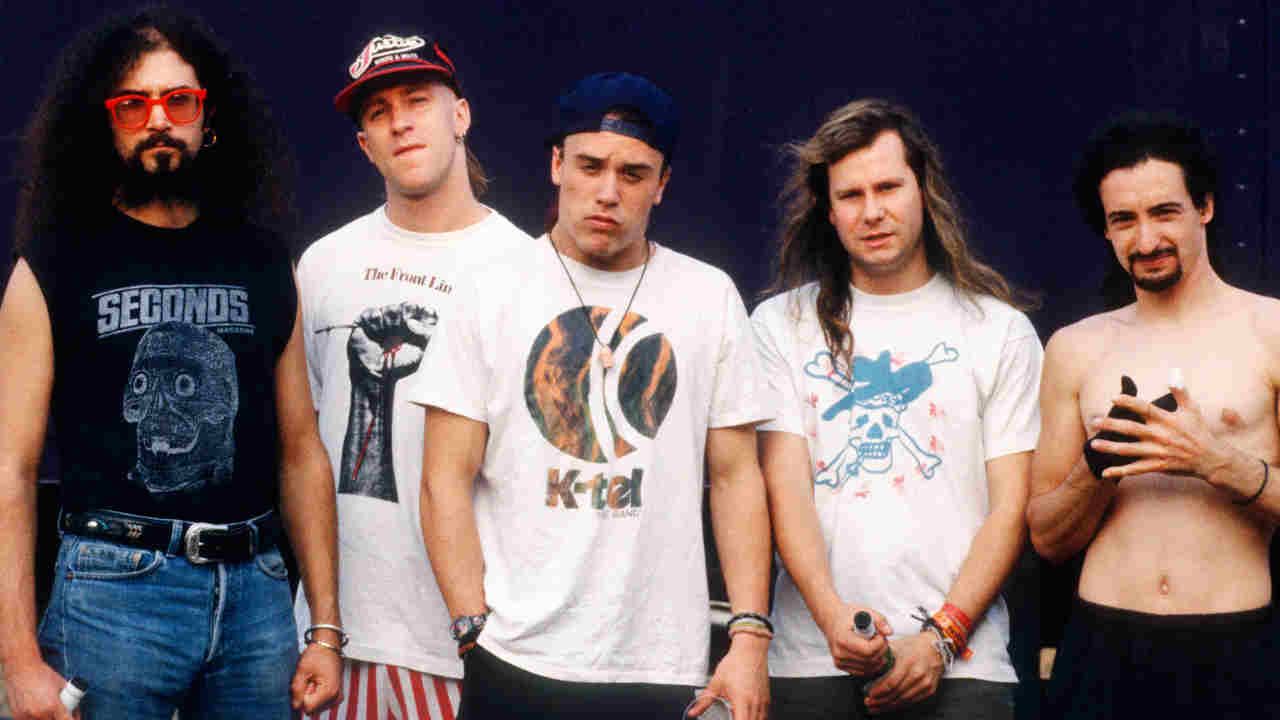
Faith No More revitalized their career with the release of “Epic” in 1990, a track that marked a significant turning point for the band. After their third album, The Real Thing, struggled commercially, the band faced pressure from their label, which had begun to lose confidence in their potential. Despite a star-studded launch event at The Roxy in Los Angeles failing to generate the anticipated excitement, a series of events transformed their fortunes.
The band’s previous lead singer, Chuck Mosley, had been replaced by Mike Patton, a change that had drawn skepticism from critics. An article in the Los Angeles Times questioned whether the band had strayed from their post-punk roots, suggesting they faced a backlash for perceived commercialism. Lead single “From Out Of Nowhere” had failed to make an impact in the United States, prompting the label to allow the band to select their next single.
On January 29, 1990, Faith No More released “Epic,” choosing a track that resonated with their earlier sound while showcasing their evolution as artists. Producer Matt Wallace noted that the band believed their music was pop-friendly, even as they were still carving out a niche in the alternative scene. Initially, “Epic” struggled to gain traction, with minimal radio play and limited exposure on MTV.
A pivotal performance at the London Astoria on February 7, 1990, changed the trajectory of the single. An intense atmosphere, marked by a collapsed crash barrier, caught the attention of Warner Brothers executive Randy Skinner, who advocated for increased promotional support. Following this event, “Epic” began to chart in the UK, eventually reaching No. 37 and gaining momentum as it topped the Australian charts by May.
As American audiences became aware of the band’s rising popularity overseas, “Epic” finally broke into the US Top 10, peaking at No. 9 on the Billboard Hot 100 on September 8, 1990. This achievement signaled a shift in the music landscape, with alternative metal beginning to penetrate mainstream culture.
In reflecting on the band’s identity, drummer Mike Bordin expressed their connection to influential metal bands like Metallica and Slayer, which inspired their distinctive sound. Bordin emphasized that while they appreciated their place in the evolving genre landscape, they were cautious about being labeled strictly as a funk or rap metal band. “We never fitted into any category,” he stated, highlighting their desire to blend various musical influences without adhering to specific genres.
The success of “Epic” solidified Faith No More’s status in the alternative music scene, but it also brought challenges. Patton acknowledged the discomfort that came with newfound fame, stating, “I’ve never had anyone look up to me and take what I say as gospel.” Yet Bordin noted that the momentum from “Epic” allowed the band to continue working, even as it shaped public perception.
Ultimately, “Epic” not only revitalized Faith No More’s career but also laid the groundwork for a new wave of metal artists. The band’s willingness to experiment with various musical styles opened the door for future acts such as Korn and Killswitch Engage. As they forged their path, Faith No More’s innovative approach to music helped redefine the boundaries of metal, ensuring their legacy in music history.