The UK high street faced a devastating year in 2025, with a staggering 3,080 stores shutting down permanently. According to the Centre for Retail Research, this closure wave has left approximately 30,153 employees without jobs. The downturn in retail sales, which remained 3.3% below pre-pandemic levels, has significantly contributed to this crisis.
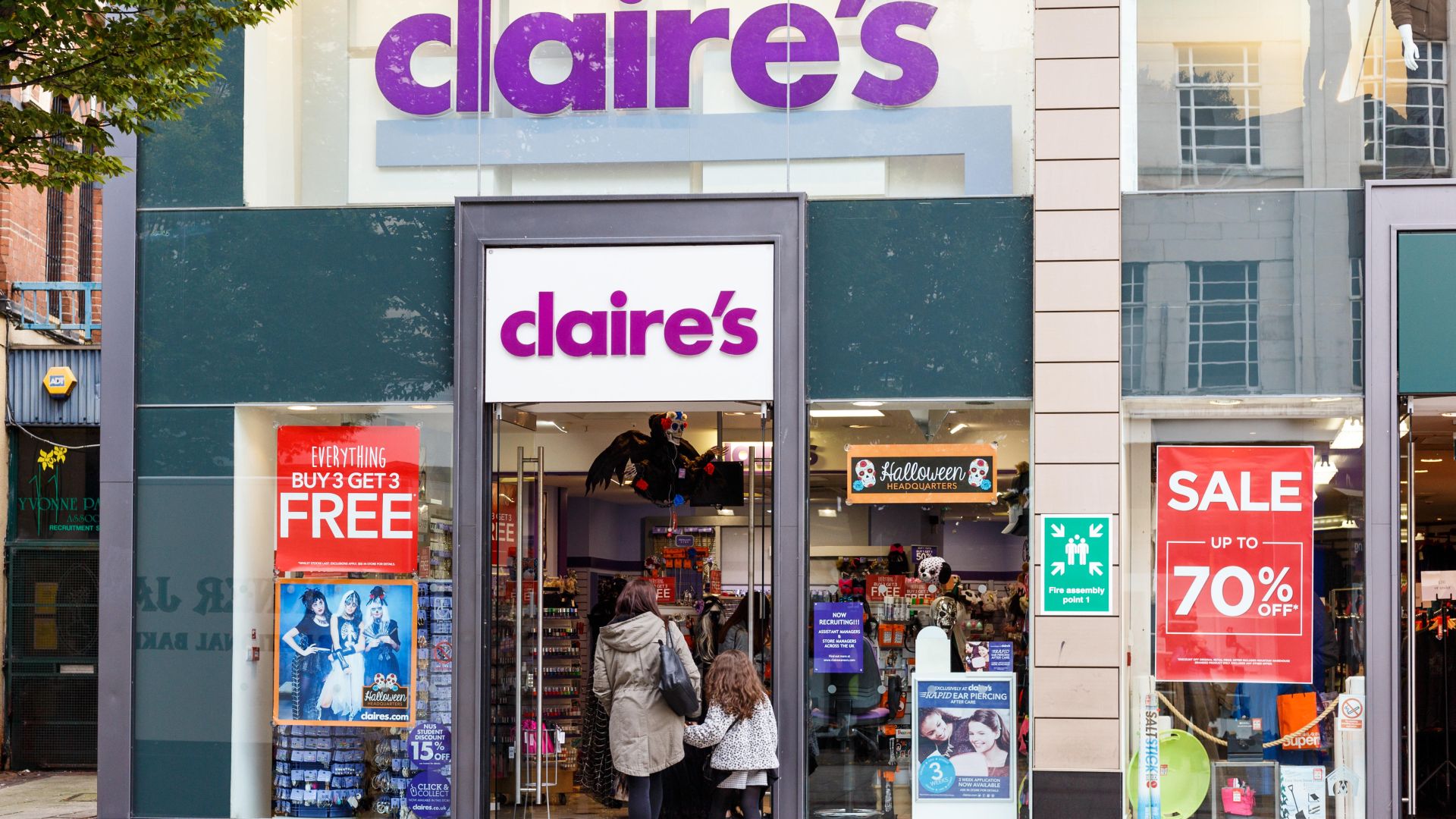
Several iconic brands have succumbed to the pressures of rising costs and changing consumer habits. Among the most notable closures is the jewellery retailer Claire’s, which declared bankruptcy in the United States in August. Its chief executive cited fierce competition and declining foot traffic as key factors. Although Modella Capital acquired 156 of the company’s 300-plus stores, this left 145 locations shuttered, resulting in over 1,000 job losses.
Another significant name, WH Smith, announced in March it would exit the high street. The historic newsagent sold its shops to Modella Capital, leading to the closure of 20 locations while 500 were earmarked for sale. The remaining stores will be rebranded as TG Jones.
The fashion sector also faced severe setbacks. Quiz Clothing entered administration at the start of the year, closing 23 stores and laying off 191 employees. However, the brand has since shown signs of recovery, reporting a 14% increase in like-for-like revenues between July and August. Plans for opening five to ten new stores within a year were announced in October.
The British beauty chain Bodycare also succumbed to market pressures, shutting down 32 stores and reducing its workforce by 250 in September. Following its administration, an investment group led by former The Body Shop CEO Charles Denton stepped in, revealing intentions to relaunch between 30 and 50 stores in the first half of 2026.
Among other closures, Select Fashion went bust in April, resulting in the immediate closure of 35 stores. This followed a prior Company Voluntary Arrangement aimed at addressing debt. The retailer’s demise marked the end of a brand that had operated for years in the competitive fashion landscape.
In August, New Look initiated a strategic review, leading to the planned closure of 41 stores, though it has not entered bankruptcy. Meanwhile, River Island announced it would close 33 locations by the end of November as part of a restructuring effort addressing its mounting debt.
The discount retailer Poundland narrowly avoided total collapse in June after agreeing to a turnaround plan. New owners, Gordon Brothers, purchased the chain for £1 and committed to investing £90 million to bolster the business. However, this plan included the closure of 68 shops and the loss of 1,000 jobs.
The arts and crafts retailer Hobbycraft also closed 27 stores in 2025. The company is attempting to negotiate new rents with landlords to stabilize its operations.
In a broader context, the restaurant and café sectors are not exempt from this trend. Starbucks and Brewdog both closed multiple locations. Starbucks launched a restructuring that resulted in the closure of ten coffee shops in October, while Brewdog shuttered ten venues, including its first-ever site in Aberdeen.
Lastly, the fast-food chain Pizza Hut confirmed the closure of 68 restaurants in October after its franchise operator entered administration. This decision threatens around 1,210 jobs, although the parent company, Yum! Brands, has since stepped in to rescue a portion of the operations.
The closures reflect a broader trend affecting the UK’s high streets, highlighting the challenges retailers face amid shifting consumer preferences and economic pressures. With the landscape evolving rapidly, only time will reveal the long-term implications for the high street and its iconic brands.