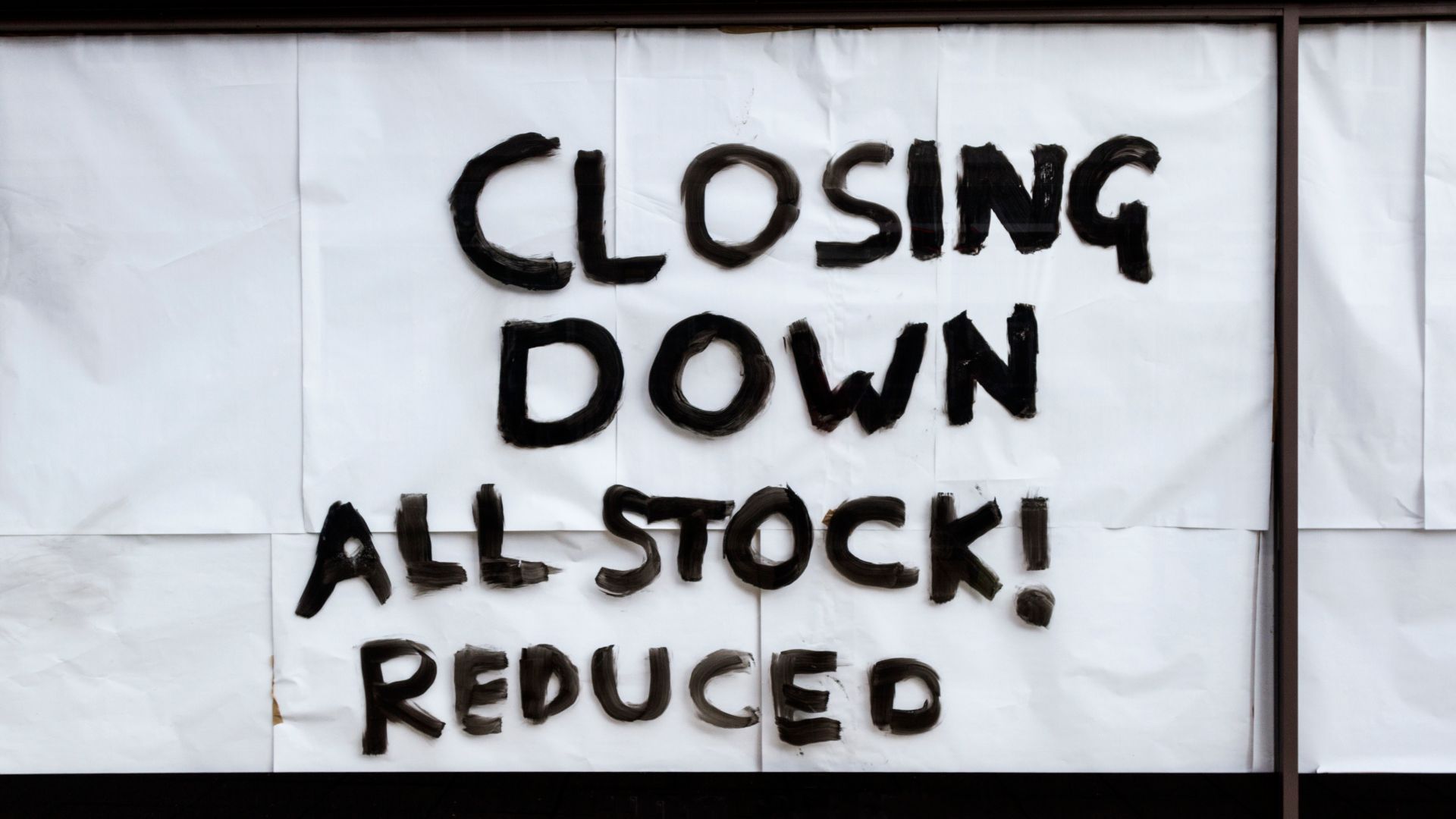
A recent wave of bankruptcies among small businesses in the United States is raising alarms about a potential economic downturn. According to experts, the surge in closures affecting local shops and restaurants signals troubling trends for the broader economy. Joe Barsalona, a bankruptcy lawyer based in Delaware, emphasized, “A recession is coming. I agree with economists that the increase in small business bankruptcies is a canary in a coal mine.”
Small business owners are grappling with escalating operational costs. Rising rents, increased product prices, and a shift in consumer spending towards larger retailers like Walmart and Amazon are squeezing profit margins. This shift exacerbates the economic divide, as billion-dollar corporations thrive while local businesses struggle. Kelly Vore, owner of a 119-year-old shop in Ann Arbor, Michigan, expressed her frustration, stating, “Our formula was always snug — we were never rolling in abundant cash. Everything is just much more expensive than when I took over.”
Bankruptcy Filings Surge Among Small Businesses
The trend of small business bankruptcies has accelerated significantly. As of early December, 2,221 businesses had filed for Subchapter V bankruptcy this year, surpassing the 2,211 filings recorded for all of 2024. Subchapter V, introduced in December 2019, is designed specifically for small businesses with debts under $3.4 million, providing a more manageable path for restructuring compared to traditional Chapter 11 filings.
Despite these protections, the rising number of bankruptcies is troubling. In August alone, approximately 200 small businesses entered bankruptcy, marking a 17 percent increase compared to the same month in the previous year. Analysts from The Kobeissi Letter noted, “US small business bankruptcies are surging as if there is a recession.”
The situation is dire for many small business owners. They often invest personal finances to keep their businesses afloat, a practice that larger corporations typically avoid. Vore’s experience is a testament to the hardships faced by many. Her iconic shop, which sold a variety of household goods, closed its doors in mid-December after facing rent increases.
The Economic Divide Widens
The current economic landscape reveals a stark divide. While small businesses face increasing financial strain, larger corporations continue to report profits and stock price surges. For instance, only 30 major companies filed for Chapter 11 bankruptcy in 2025, a decrease from 51 in the previous year, according to research by Coresight Research.
Polling by the US Chamber of Commerce reflects growing pessimism among small business owners. Last quarter, they graded the US economy at 68.4 out of 100, down from 72. The proportion of business owners rating their financial health as “very good” fell to 34 percent.
The trend of closing shops is alarming. Research indicates that 8,234 businesses permanently shuttered this year, an increase of 12 percent from the previous record. Many owners are now planning price hikes to offset rising costs, further straining their relationship with consumers who are already feeling the pinch of inflation.
The uptick in bankruptcies aligns with other troubling economic indicators. In November, payroll processor ADP reported that small businesses cut 120,000 jobs, primarily among companies with fewer than 50 employees. This contrasts with midsize and large companies, which added a net of 90,000 jobs.
Economists warn that the current situation may lead to broader financial distress. Barsalona cautioned, “When enough small businesses start going under, the stress eventually spreads to larger companies. We’re likely just seeing the beginning of that process.”
While the Small Business Administration continues to promote programs aimed at supporting small businesses, the reality on the ground for many owners is grim. The agency highlighted that under the previous administration, there were 36 million small businesses in America, the highest number on record. Yet, the rising tide of bankruptcies casts doubt on the sustainability of this growth.
As small business owners navigate these challenging times, the potential for a recession looms larger. For those locking their doors, the historical comparisons to past economic crises offer little solace. On Main Street, the implications of this financial strain are already being felt.