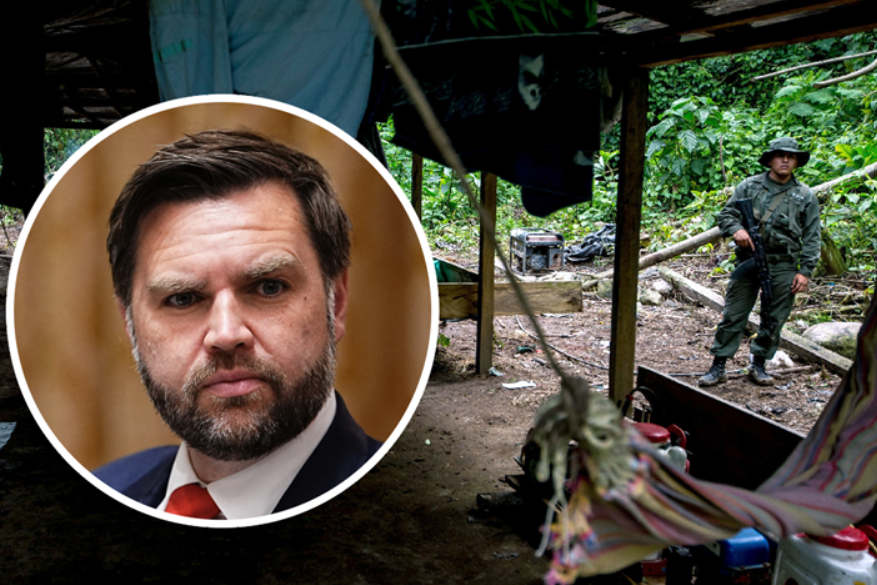
U.S. Vice President JD Vance addressed criticism regarding actions taken by the Trump administration in Venezuela, emphasizing their connection to the drug trade. In a statement posted on X, Vance responded to claims asserting that Venezuela is not a significant source of illegal fentanyl entering the United States.
Vance Highlights Broader Drug Concerns
Vance noted that while fentanyl is a serious issue, it is not the only drug affecting American communities. He stated, “First, fentanyl is not the only drug in the world. Nonetheless, fentanyl still comes from Venezuela (or at least it did until recently).” He pointed out that cocaine, a major export from Venezuela, fuels profits for various Latin American drug cartels. Vance argued that reducing cocaine revenues would significantly weaken these organizations.
The Vice President underscored the importance of addressing cocaine trafficking, stating, “If we take away the money from cocaine (or at least reduce it), it substantially weakens the cartels as a whole. And cocaine is bad.” His comments reflect ongoing concerns about the impact of drug trafficking on public health and safety.
Addressing Military Action and Historical Context
In defending U.S. actions in Venezuela, Vance referenced a historical context, noting that “about 20 years ago, Venezuela expropriated our oil assets.” He criticized the Venezuelan government for allegedly using these assets to fund narcoterrorism. “I understand the concern about the use of military force, but should we just allow a communist regime in our hemisphere to steal our property and do nothing?” Vance questioned.
He further acknowledged Mexico’s role in the fentanyl trade, admitting that a significant portion of the effort to curb the drug flow is focused on the southern border. Vance’s statements reflect a broader strategy aimed at combating drug trafficking while addressing the complexities of international relations.
As the U.S. grapples with the ongoing drug crisis, Vance’s remarks touch upon the intricate relationship between drug trafficking, foreign policy, and national security, highlighting the challenges faced by the administration in addressing these intertwined issues.