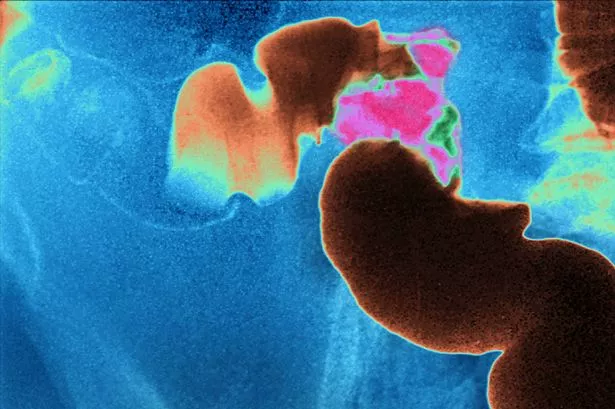
Researchers at Queen’s University Belfast are launching a significant study aimed at understanding how bowel cancer develops resistance to treatment. Funded by Cancer Research UK, this research is crucial as it seeks to address a persistent challenge in effective cancer care, particularly as this disease is increasingly diagnosed in younger populations.
The study will focus on RNA, a vital molecule that transmits genetic instructions. RNA plays a critical role in cell growth and behavior, and understanding its function could lead to breakthroughs in controlling cancerous growth. Dr. Susanta Chatterjee, the lead researcher and a Senior Postdoctoral Fellow, emphasized that the goal is to explore how bowel cancer cells evade the effects of existing drugs.
“We know cancer can resist treatments by hijacking healthy processes designed to remove the errors which cause cancer cells to grow,” Dr. Chatterjee stated. “If we can better understand these mechanisms, we could ultimately improve anti-cancer therapies.”
Bowel cancer, also known as colorectal cancer, is the second most common cause of cancer deaths in the UK. Despite the alarming statistics, treatment options remain limited, especially for patients diagnosed at advanced stages. Annually, around 1,300 people in Northern Ireland receive a bowel cancer diagnosis, contributing to approximately 17,400 deaths in the UK each year, with around 490 occurring in Northern Ireland alone.
The rising incidence of bowel cancer among younger adults is particularly concerning. A recent study by the American Cancer Society, published in The Lancet Oncology, revealed that early-onset bowel cancer rates are increasing in 27 out of 50 countries analyzed, including the UK.
The focus of this new research will be on genotoxic drugs, commonly used to treat bowel cancer by damaging the DNA and RNA of cancer cells. Understanding the mechanisms that allow cancerous RNA cells to resist these treatments is critical to developing more effective therapies.
Dr. Catherine Elliott, Director of Research at Cancer Research UK, highlighted the urgency of this research. “Cancer’s ability to eventually overcome existing treatments and start growing again is one of the biggest challenges in cancer research,” she remarked. “That’s why we are funding many projects, including this exciting project at Queen’s University Belfast, to tackle this problem. Bowel cancer is increasingly being diagnosed in younger people, so new solutions are needed urgently.”
As this research unfolds, it holds the promise of enhancing treatment strategies and potentially saving lives, particularly in a demographic where bowel cancer is becoming alarmingly prevalent.