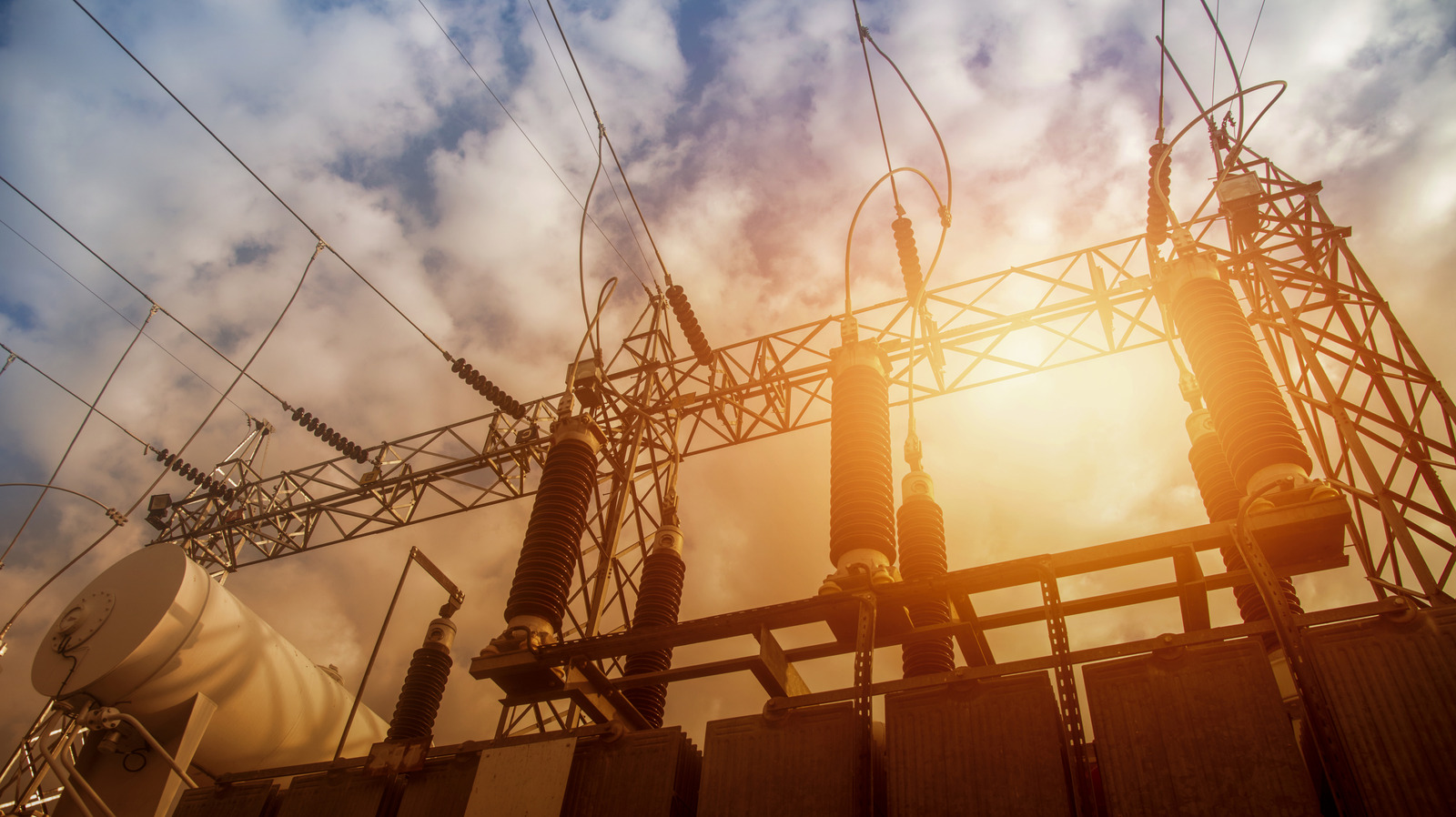
China has introduced the world’s most powerful smart direct current (DC) transformer, marking a significant advancement in power transmission technology. This new transformer, which is rated at an impressive 750 million volt-amps (MVA), was brought online in late 2025 by the manufacturer Changzhou Xidian Transformer. The incorporation of smart technology into this transformer aims to enhance the stability and reliability of electricity transmission over long distances.
Understanding the Significance of Smart Technology
Unlike traditional alternating current (AC), DC is more efficient for transporting large amounts of electricity across extensive networks. The newly launched transformer is equipped with real-time control capabilities, allowing operators to adjust parameters such as current, temperature, and voltage dynamically. This advanced feature is particularly crucial as it helps address fluctuations in supply and demand, especially in regions with significant renewable energy resources.
China’s latest addition to its power grid represents a substantial improvement over existing high-voltage direct current (HVDC) transformers, which had a capacity of 587.1 MVA. Previous units had set a record at the time of their installation, but they are now outmatched by this new technology. The introduction of the 750 MVA transformer positions China at the forefront of global energy innovation.
Challenges in Power Transmission
The need for advanced transformers has become increasingly pressing following a power failure in China’s northwest power grid in the fall of 2024. This incident was attributed to a “low-frequency power oscillation,” where temporary fluctuations in electricity supply and demand jeopardized the stability of the grid. Such oscillations pose significant risks, particularly in regions like Xinjiang, home to some of the largest wind and solar farms globally.
The variability inherent in renewable energy sources—solar panels producing less energy on cloudy days and wind turbines relying on specific wind conditions—complicates the management of electricity supply. As China expands its wind and solar capacity, it faces ongoing challenges; in 2025, some regions were unable to utilize all generated electricity, prompting authorities to impose output restrictions.
This situation underscores the importance of ensuring that the electricity generated from renewable sources can efficiently reach the power grid. As China continues to invest in renewable energy, the integration of advanced technologies like the smart transformer is crucial for maintaining grid stability and maximizing the potential of green energy initiatives.