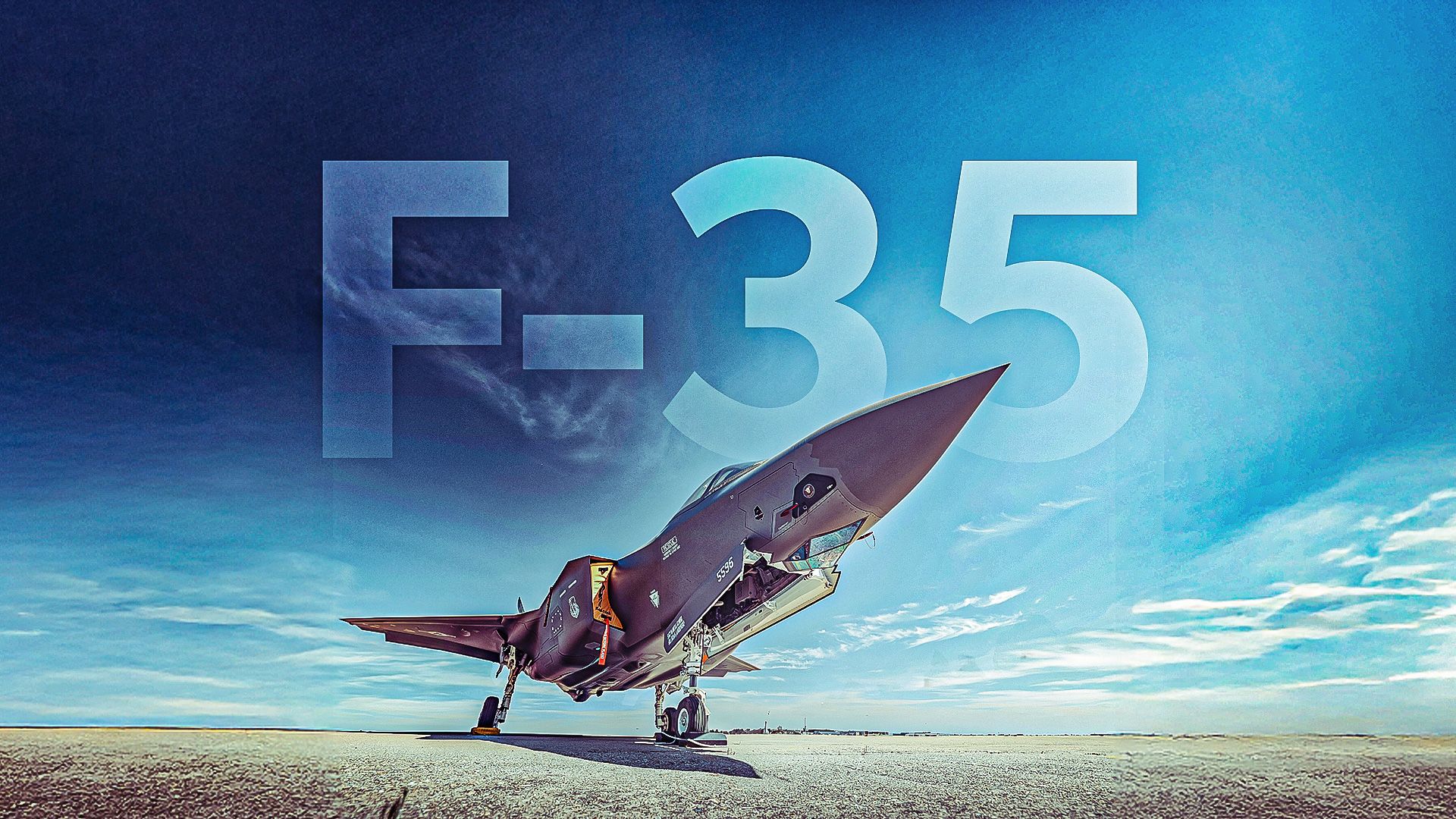
UPDATE: The United States has confirmed it will not sell its advanced F-35 fighter jets to several countries amid rising geopolitical tensions. This decision impacts nations including Turkey, the UAE, Qatar, Egypt, and Taiwan, reflecting a significant shift in defense strategy.
The US has restricted F-35 exports primarily to protect sensitive technology and maintain Israel’s military superiority in the region. Officials report that concerns over foreign military systems, particularly from Russia and China, heavily influence these restrictions. Nations like Turkey, which once partnered in the F-35 program, have found their requests denied following controversial military procurements, including Turkey’s purchase of Russia’s S-400 missile system.
In a notable case, Turkey was expelled from the F-35 program in 2019 after it opted for the Russian system, which the US fears could compromise the stealth capabilities of the F-35. Turkey originally planned to acquire 100 F-35As, investing $1.4 billion into the development. As of now, Turkey continues to seek a resolution that might allow its participation in the program.
Meanwhile, Middle Eastern nations have expressed strong interest in acquiring the F-35. Both the UAE and Egypt had provisional agreements to purchase the jets during the Trump Administration, which later fell through due to concerns about maintaining Israel’s military edge and the influence of Chinese technology such as Huawei’s 5G networks. Reports indicate that Egypt may have even turned to Chinese fighter jets as an alternative.
Further complicating matters, Saudi Arabia and Qatar have also been rebuffed in their attempts to obtain the F-35. Despite announcing plans for $142 billion in US military purchases in March 2025, Saudi Arabia’s hopes for F-35 acquisition remain unfulfilled. In contrast, Morocco is reportedly nearing a deal to purchase F-35s, signaling a shift in regional alliances.
In the Asia-Pacific, Taiwan’s longstanding desire to purchase the F-35 has been denied, primarily due to fears of provoking China and concerns over espionage. The US continues to support Taiwan through upgraded F-16s instead. Recent reports suggest that Taiwan could be home to over 5,000 Chinese spies, raising alarms about security and intelligence.
Indonesia, facing pressure from the US, canceled plans to acquire Russian Su-35 jets and sought F-35s but was met with similar hurdles, including high costs and lengthy wait times. The US remains cautious about Indonesia’s ties with China, given its usage of Huawei technology.
The decision to limit F-35 sales underscores a broader trend in US defense policy, where geopolitical relationships and technological security dictate military exports. The US has historically restricted exports of advanced military technology, a policy that has evolved over decades.
WHAT’S NEXT: As the landscape of global military alliances continues to shift, the US may consider relaxing export restrictions under future administrations. However, current tensions with China and Russia suggest that stringent controls will likely remain in place for the foreseeable future.
As nations navigate these complex geopolitical waters, the F-35’s role as a symbol of military strength and technological superiority remains unchallenged. The implications of these restrictions will resonate throughout the defense industry and international relations, making it a critical development for military analysts and policymakers alike.
Stay tuned for further updates on this evolving story.