
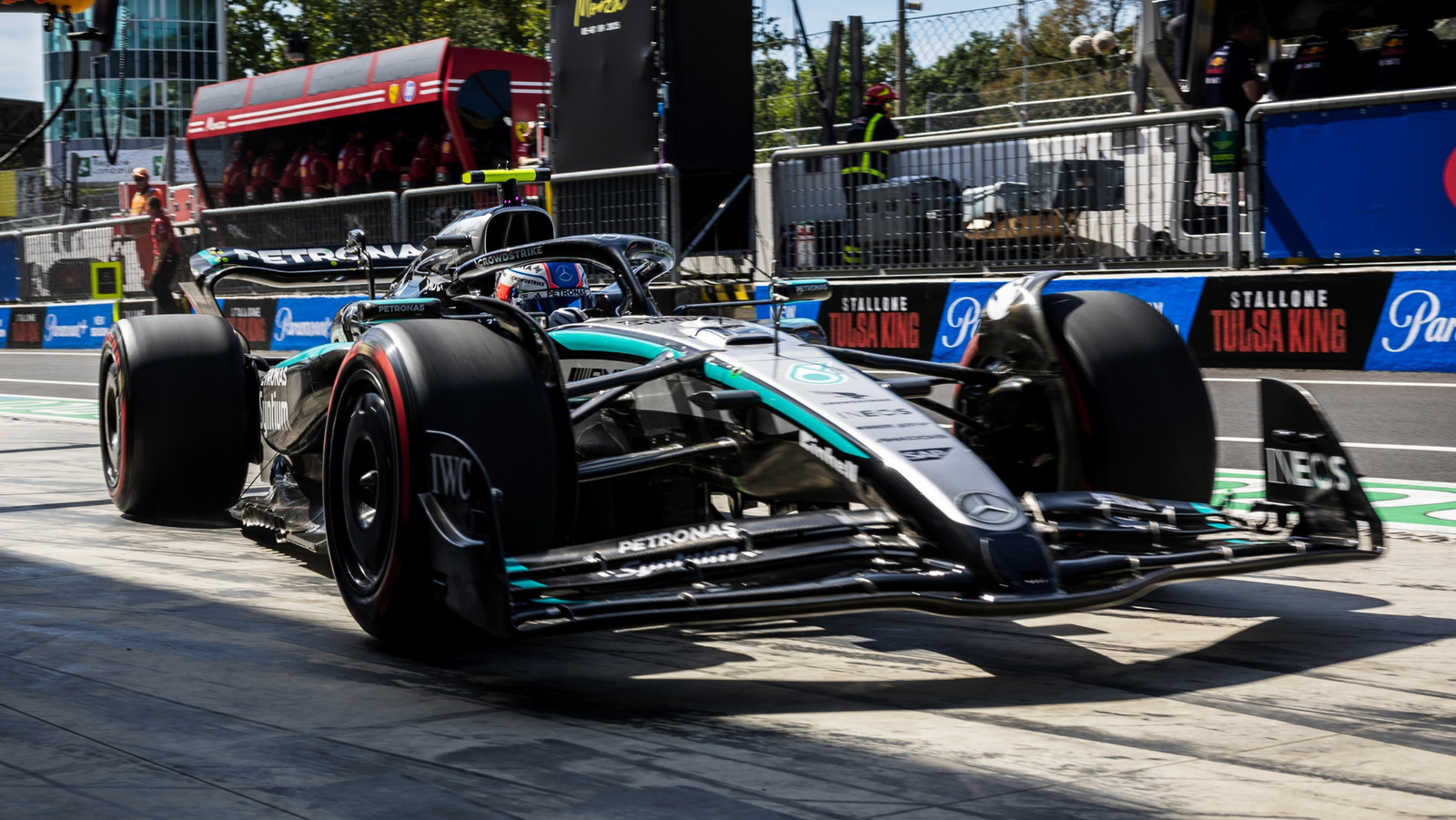
BREAKING: Controversy is heating up as accusations of cheating surface just ahead of the highly anticipated 2026 Formula 1 season. Teams are alleging that Mercedes and Red Bull have found a way to circumvent new engine compression ratio rules, potentially giving them a significant power advantage.
As the motorsport world gears up for the start of the season, complaints from rival teams, including Ferrari, Audi, and Honda, have prompted the FIA to take notice. The heart of the issue lies in the new regulations, which lower compression ratios from 18:0:1 to 16.0:1. These changes aim to reduce costs and encourage new manufacturers to enter the sport, but it seems some teams may have discovered a loophole.
Reports indicate that Mercedes and Red Bull might be using innovative materials that allow their engines to exceed the intended compression ratios once warmed up. This means their engines could technically pass static temperature checks but gain extra power during actual racing conditions. Such a tactic could dramatically alter the competitive landscape in Formula 1, where even minor power boosts can lead to critical advantages on the track.
The FIA has been alerted to these allegations but, as of now, has not taken any action. Officials have stated that both the regulations and testing procedures are clearly defined, with no immediate plans to adjust testing to account for elevated engine temperatures. However, the rulebook mandates that cars must comply with regulations throughout a race weekend, creating a gray area that could lead to further disputes.
The implications of this situation extend beyond just the teams involved. If it is confirmed that Mercedes and Red Bull have exploited these technicalities, it could lead to a reshuffling of power dynamics on the grid. Fans and stakeholders alike are left wondering how this will affect the upcoming season and whether the FIA will intervene before the first race.
As teams prepare for what is shaping up to be a contentious season, the pressure is on the FIA to address these concerns. The potential for a noticeable power advantage could force a reevaluation of their testing protocols. If no action is taken, teams may have to wait until the 2027 season to redesign their engines for a competitive edge.
This controversy underscores a long-standing issue within the world of motorsport: the constant battle to interpret and exploit the rulebook. As we draw closer to the official start of the 2026 season, all eyes will be on the track and the teams that could redefine the limits of engineering and strategy in Formula 1.
Stay tuned for updates as the situation develops and teams finalize their preparations for what promises to be an electrifying season in Formula 1.


