UPDATE: The United States is facing mounting criticism for its dual approach to international conflicts in Gaza and Venezuela, as tensions escalate and public outrage grows. This urgent situation demands immediate attention, with implications that resonate globally.
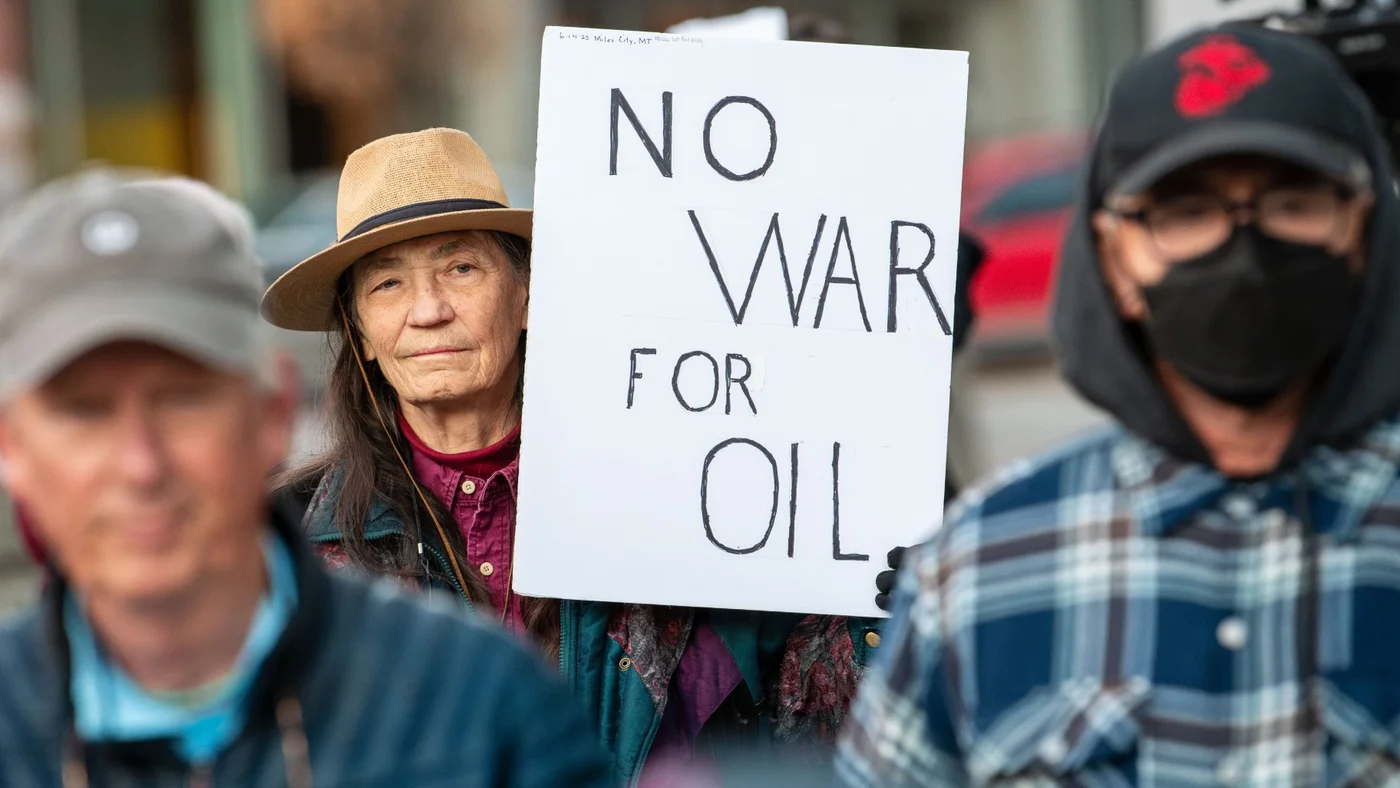
Recent developments reveal that the US has been accused of supporting Israel’s ongoing military actions in Gaza while simultaneously threatening intervention in Venezuela under the guise of law enforcement. Just last week, Nicolas Maduro, Venezuela’s president, condemned US aggression as an attempt to seize the country’s oil resources. In a stark contrast, US officials proclaim their efforts as a mission to bring justice to Maduro’s alleged drug trafficking regime.
The situation in Gaza remains dire. Reports confirm that Israel has continued military operations, leading to severe humanitarian crises. Humanitarian groups, including Doctors Without Borders, are facing bans from operating within Gaza, cutting off critical medical assistance to those in need. The Israeli government announced the prohibition of 37 humanitarian organizations from entering the territory, exacerbating the plight of countless civilians.
Despite a supposed ceasefire, the reality on the ground contradicts this narrative. Donald Trump, during a recent gathering with Israeli Prime Minister Benjamin Netanyahu, celebrated the adherence to his so-called “peace plan,” which many argue is a façade for continued aggression against Palestinians. The ceasefire, declared in mid-October, has seen numerous violations, leading to ongoing violence and suffering.
International observers are increasingly alarmed by the US’s complicity in these events. The International Criminal Court (ICC) has begun investigations into potential genocide in Gaza, while the US has responded by threatening sanctions against judges and legal experts associated with the ICC. This attempt to undermine international law raises significant concerns about accountability and justice for the victims.
The broader implications of this dual approach are profound. As protests against Israel’s actions in Gaza gain momentum, public sentiment in the West is shifting. Disillusionment with political leaders and media narratives is palpable, as citizens express frustration over the portrayal of opposition movements as antisemitic or terroristic. The erosion of public trust is evident, as many grapple with the reality of their governments’ complicity in these crises.
In an alarming trend, the UK government has initiated a crackdown on pro-Palestinian activism, labeling groups as terrorist organizations. This move has sparked outrage and highlighted the challenges faced by activists seeking to raise awareness and support humanitarian efforts. The ongoing suppression of dissent raises critical questions about freedom of expression and the democratic process.
Looking ahead, the international community must confront the implications of these actions. The US’s unilateral approach to foreign policy, particularly in Latin America and the Middle East, threatens to destabilize the region further. As nations like Colombia, Cuba, and others remain under scrutiny, the potential for conflict escalation looms large.
As we enter a new year, the stakes continue to rise. The encroachment of authoritarianism in Western democracies poses a significant challenge to civil liberties, while the plight of the Palestinian people remains urgent. Activists and humanitarian organizations are calling for accountability and a reevaluation of international relations, urging citizens to stand against these injustices.
In a world where the lines between good and evil are increasingly blurred, the narrative of “good cop, bad cop” is unraveling. The consequences of these actions are not merely distant geopolitical maneuvers; they resonate deeply with human lives caught in the crossfire of political gamesmanship. As the situation develops, it is imperative for global citizens to remain informed and engaged, demanding justice and transparency from their leaders.