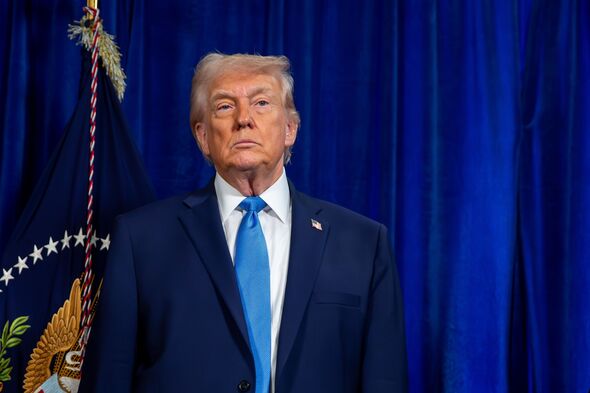
Former President Donald Trump is reportedly exploring various strategies to acquire Greenland, a move that has generated significant concern among European leaders. As tensions rise, the White House confirmed that securing the Danish territory is considered a national security priority for the United States.
In a statement provided to Reuters, an official from the White House emphasized the importance of Greenland in countering adversarial influences in the Arctic region. The statement read: “President Trump has made it well known that acquiring Greenland is a national security priority of the United States, and it’s vital to deter our adversaries in the Arctic region.”
The White House further noted that Trump and his team are “discussing a range of options” to achieve this foreign policy objective. This includes the possibility of utilizing the U.S. military, which the official described as “always an option at the commander-in-chief’s disposal.”
European Leaders Rally Against U.S. Involvement
The prospect of U.S. acquisition of Greenland has led to a unified response from European leaders, particularly from Denmark, which maintains sovereignty over the territory. Concerns have been raised that such a move by the United States could destabilize the region and provoke further geopolitical tensions, especially given the strategic importance of Greenland’s resources and location.
European officials have expressed their strong support for Greenland, reiterating that any discussions about its future should involve the voices of its inhabitants. The Danish government has made it clear that Greenland is not for sale, reinforcing their commitment to the territory’s autonomy.
This situation reflects broader geopolitical dynamics as nations vie for influence in the Arctic, where melting ice is opening new shipping routes and access to untapped natural resources. The region has become increasingly contested, with both Russian and Chinese interests growing alongside U.S. ambitions.
Potential Implications for U.S. Foreign Policy
The United States has historically viewed Greenland as strategically significant, particularly given its proximity to the North American coastline and its potential military applications. The discussions surrounding its acquisition could signal a shift in U.S. foreign policy priorities, especially regarding Arctic strategy.
If Trump’s ambitions materialize, the implications could be far-reaching, affecting not just U.S.-Denmark relations but also broader international partnerships within the Arctic Council. As the U.S. administration navigates these complex waters, it will need to balance its national security interests with the diplomatic sensitivities of its allies.
With the situation still developing, many will be watching closely to see how these discussions evolve and what actions might follow. The international community is likely to respond with a mix of caution and engagement, as the stakes in the Arctic continue to rise.