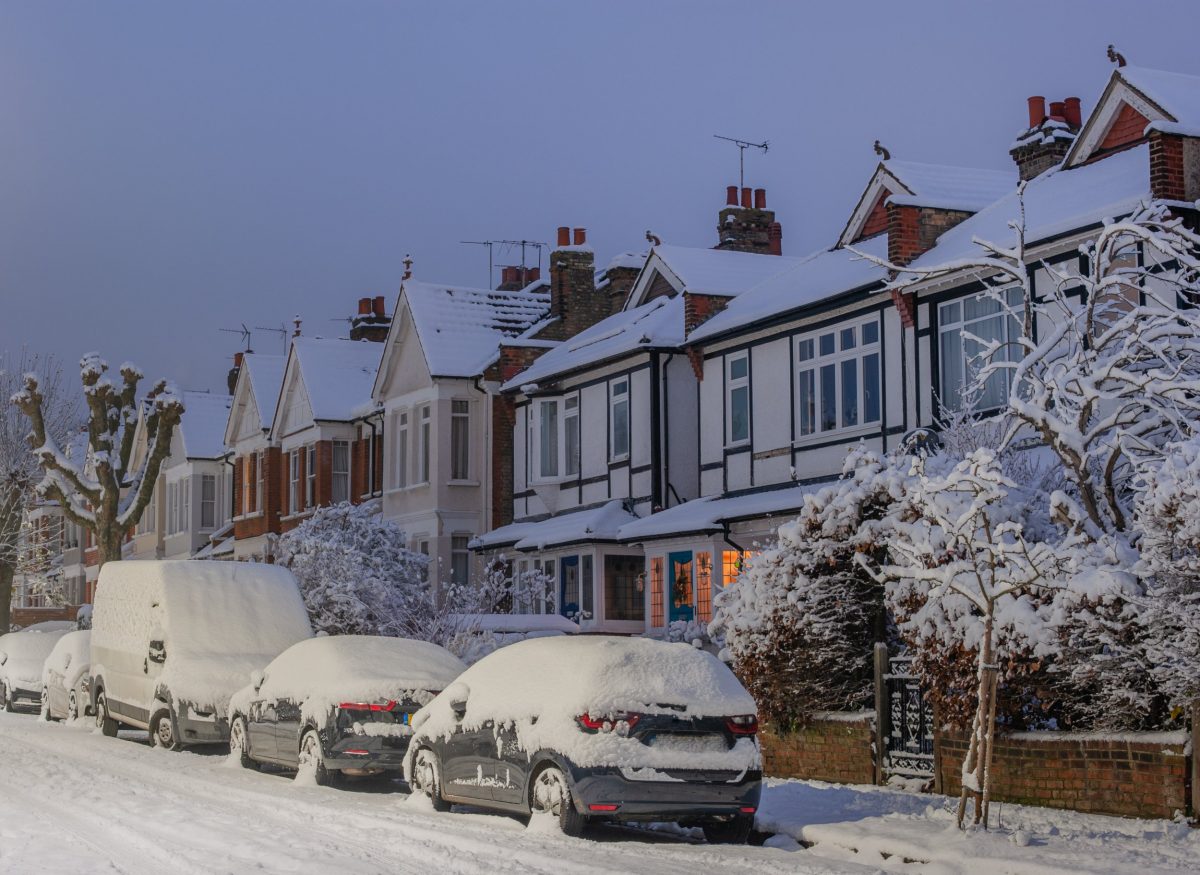
Cold weather often prompts homeowners to boost their heating systems, but it may also be the perfect time to consider transitioning to a heat pump. The current winter conditions provide an opportunity to test how well a home can manage heat with this greener alternative to traditional gas boilers.
Heat pumps are designed to replace gas boilers and can significantly reduce energy costs over time. However, the installation process may involve initial expenses for renovations, such as upgrading radiator sizes or improving insulation. This winter, homeowners can conduct a simple cold weather test to assess the readiness of their homes for a heat pump installation.
Understanding Heat Pumps and Their Requirements
Heat pumps operate differently from gas boilers. Most domestic heat pumps supply hot water to radiators, similar to gas systems, but they rely on electricity instead of gas. This shift not only makes them more environmentally friendly but can also lead to lower energy bills in the long run.
A key difference lies in the temperature at which heat pumps operate. While gas boilers typically heat water to around 60°C to 70°C, heat pumps function effectively at a lower flow temperature of about 50°C. To maintain comfortable indoor temperatures, these systems generally run continuously or for extended periods, contrasting with gas boilers that often operate for shorter durations throughout the day.
Conducting the Cold Weather Test
To determine whether a home is suitable for a heat pump, homeowners can perform a cold weather test. This preliminary evaluation can highlight potential modifications needed for effective heat management. Bean Beanland, an energy transition specialist at the Heat Pump Association UK, suggests that while not perfect, this method offers insight into radiator performance at lower temperatures.
The test involves adjusting the settings on a gas boiler to mimic the operation of a heat pump. Homeowners should set the water temperature to 50°C, ensure the boiler runs continuously, and fully open all radiator valves. The thermostat should be adjusted to the desired indoor temperature, typically around 20°C. If the home maintains this temperature during cold weather, it indicates that the existing heating system can accommodate a heat pump.
If the home struggles to stay warm despite the boiler running continuously, it may signal the need for larger radiators or enhanced insulation. In cases where only specific rooms are colder than the rest, targeted upgrades, such as installing larger radiators in those areas, may suffice.
Once the test is complete, the next steps involve considering where to place the heat pump, which typically requires a suitable outdoor location, and potentially ordering a professional survey for more precise assessments.
The ideal time to conduct this test is during a period of sustained cold temperatures. January 2024 presents an opportune moment for homeowners in the United Kingdom to evaluate their heating systems, as forecasts indicate further cold spells are likely before winter ends.
As the transition to greener heating solutions continues, understanding one’s home’s readiness for a heat pump can be a crucial step in reducing energy consumption and costs while contributing to environmental sustainability.