UPDATE: As the New Year festivities unfold, urgent discussions are brewing within the Labour Party regarding the future of leader Keir Starmer. Amidst a backdrop of rising discontent, many party insiders are speculating on a possible coup due to Starmer’s declining popularity. The conversations, which echo through elite gatherings, raise critical questions about Labour’s economic policies and its stance on relations with the EU.
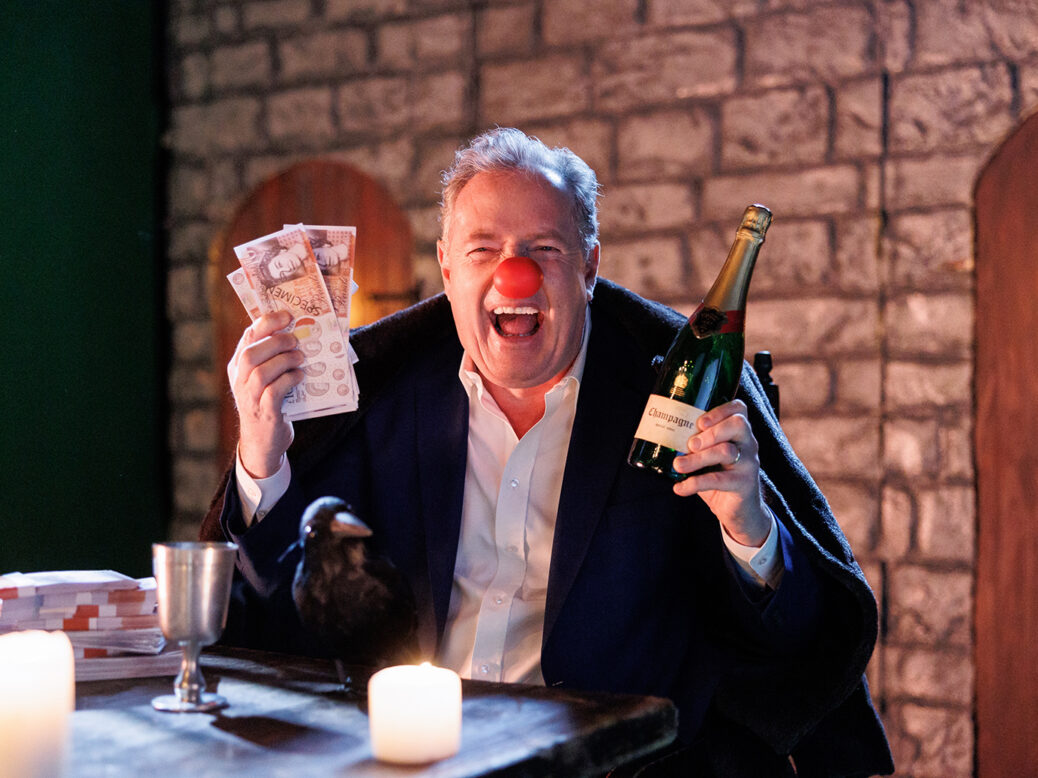
Sources reveal that parties attended by political elites, including Piers Morgan, have become hotbeds for strategizing. “In groups of five or six, they spoke of Wegovy and politics,” a party-goer noted, highlighting the tension that hangs over Labour’s leadership. As May 2026 elections approach, the pressure builds to define a clearer stance on pressing issues, particularly regarding Brexit and relationships with global powers such as Trump.
The political landscape is shifting. Analysts point to the growing influence of the pro-European Lib Dems and the Reform Party, which could challenge Labour’s hold on the national conversation regarding the EU. Insiders suggest that Starmer’s political survival may depend on aligning more closely with the soft left and addressing the EU relationship head-on.
In a recent statement, Liam Byrne, a Labour MP and former Treasury minister, emphasizes the urgency of understanding populism in his upcoming book, “Why Populists Are Winning: And How to Beat Them.” His insights may become essential reading for Labour politicians as they navigate this turbulent political climate.
The implications of these developments extend beyond party lines. The looming conflict over Britain’s relationship with the EU could reshape economic policies, defense strategies against Russia, and attitudes towards Big Tech in the coming years. As one senior military figure remarked, we are experiencing a “once-in-a-500-year moment,” underscoring the gravity of the situation.
Moreover, while traditional cash flow seems to be dwindling, the cultural and economic climate has changed dramatically. Many former holiday spenders are feeling the crunch, leading to a stark contrast with past years when holiday generosity was commonplace.
In this atmosphere of uncertainty, the upcoming months will be pivotal. Both Labour leaders and their critics must define their positions clearly to remain relevant in a rapidly evolving political landscape. As the party gears up for internal debates and external challenges, the political stakes couldn’t be higher.
What happens next? Watch for significant shifts in Labour’s strategy as the May elections approach, and keep an eye on how the party navigates its relationship with the EU amid rising populist sentiments. The next few weeks promise to be defining moments for the Labour Party and its leadership.
Stay tuned for more updates as this story develops.