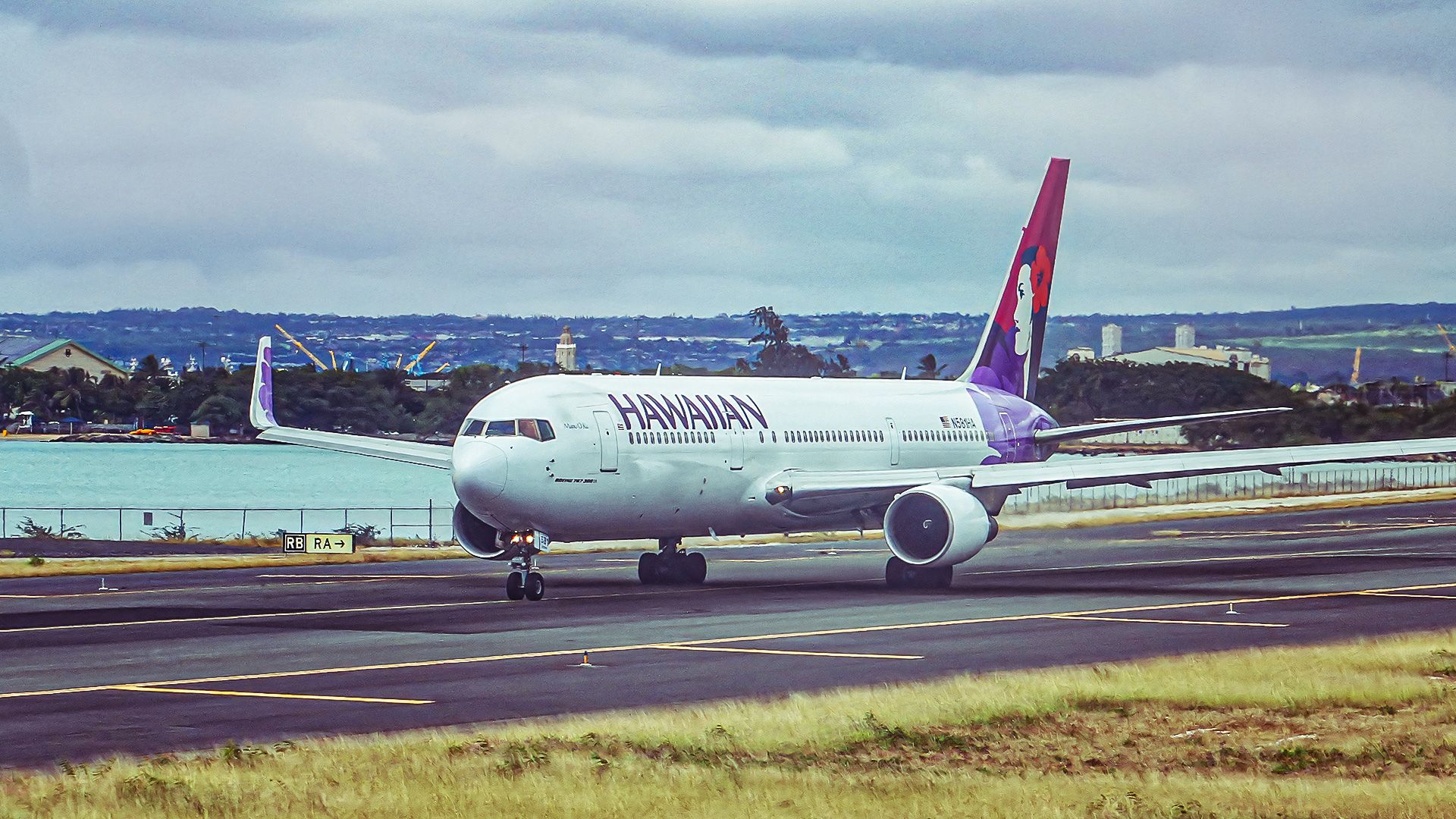
The introduction of the Boeing 767 in the early 1980s marked a pivotal moment in commercial aviation, transforming how airlines operate long-haul flights across oceans. With the development of Extended-range Twin-engine Operational Performance Standards (ETOPS), this aircraft helped reshape regulations that previously limited twin-engine jets to flying within a narrow distance from suitable diversion airports.
Prior to the establishment of ETOPS, twin-engine aircraft faced significant restrictions, which often confined them to routes no more than 60 to 90 minutes away from a diversion airport. These regulations stemmed from concerns over engine reliability, as the loss of one engine could prove catastrophic during flights over vast oceanic expanses. Consequently, transoceanic routes were primarily served by larger, less economical three- or four-engine planes. This limitation not only affected route planning but also increased operational costs due to higher fuel consumption and maintenance requirements for multi-engine aircraft.
With advancements in engine technology and reliability during the 1970s and 1980s, regulators began to reassess these stringent rules. The Boeing 767 emerged as a trailblazer in this shift, demonstrating that modern twin-engine aircraft could safely traverse longer distances from diversion airports. This capability opened the door to more direct and fuel-efficient flight paths.
The Role of the Boeing 767 in ETOPS Development
The Boeing 767 was designed with modern systems and dependable engines, allowing it to serve as a test case for the new operational standards. Airlines collaborated with Boeing to provide comprehensive data showcasing the aircraft’s engine performance, system reliability, and safety measures. This evidence laid the groundwork for petitions to aviation authorities, arguing that the 767 could meet higher safety standards than older models.
On March 15, 1993, the Boeing 767 received its certification for extended operations, marking the official beginning of ETOPS. This approval granted twin-engine jets the ability to operate routes that had previously been accessible only to larger aircraft, significantly enhancing operational flexibility. The initial ETOPS approval allowed flights up to 120 minutes from a diversion airport, primarily on transatlantic routes.
The significance of this milestone cannot be overstated. Airlines gained the ability to plan more efficient routes, ultimately reducing fuel consumption and flight times. Passengers benefitted from faster and more convenient connections across oceans, further enhancing the appeal of air travel.
Expanding ETOPS to 180 Minutes and Beyond
As confidence in the Boeing 767 and its operational reliability grew, aviation authorities gradually extended ETOPS limits to 180 minutes starting in 1989, with full certification achieved by 1993. This expansion allowed twin-engine jets to operate on nearly any long-haul route, including demanding transpacific and transatlantic flights.
The ability to fly direct, nonstop routes not only shortened travel times but also optimized fuel efficiency. Airlines could now operate smaller, fuel-efficient jets on long-haul routes, reducing operational costs while maintaining high safety standards. The success of these early ETOPS flights built trust among regulators and encouraged them to consider further extensions of allowable distance from diversion airports.
The introduction of 180-minute ETOPS marked a transformative moment for the airline industry. It underscored the importance of rigorous engineering standards, disciplined maintenance practices, and comprehensive operational planning in extending the capabilities of twin-engine aircraft on challenging routes.
The impact of ETOPS on airline operations was profound. Airlines could now utilize twin-engine aircraft for long-haul routes that previously required larger jets. This shift not only improved aircraft utilization but also allowed airlines to operate more efficiently by reducing their fleet size and costs.
Today, the legacy of the Boeing 767 continues to influence modern aviation. The design and operational principles established during its development have been integrated into newer long-haul twinjets such as the Boeing 777, 787, and Airbus A330/A350. These aircraft are built with advanced avionics and reliable engines, ensuring they can safely operate on the longest overwater routes.
In conclusion, the Boeing 767’s role in the evolution of ETOPS fundamentally reshaped commercial aviation. By proving that twin-engine jets could operate safely and efficiently over long distances, it transformed airline route planning and operations, laying the groundwork for a more flexible and economical future in air travel.