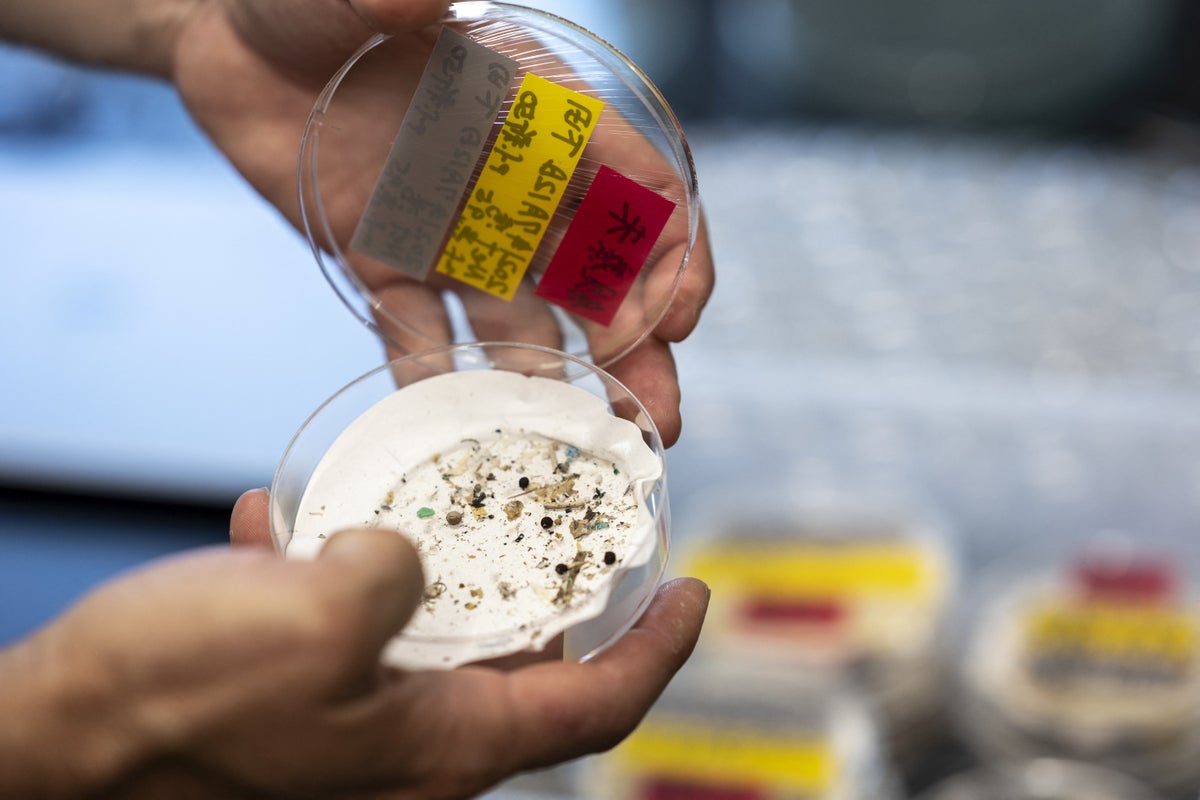
Chinese scientists have identified clouds of plastic particles suspended in the atmosphere over the cities of Guangzhou and Xi’an. This discovery indicates that microplastics and nanoplastics may be far more prevalent than previously understood, raising concerns about their potential health impacts. Over the last two decades, researchers worldwide have increasingly recognized the threat posed by these tiny plastic particles, which are now found in diverse environments, including soils, various life forms, and even the air in remote regions like the Arctic and Antarctic.
The growing body of research links these plastic particles to a range of health issues, including hormonal disruptions, cancer, cardiovascular diseases, and neurological damage. Despite increasing awareness, key questions remain unanswered about the total quantity of these particles, their origins, and their long-term fate in the environment. Given their widespread presence, scientists suggest that microplastics may even be integrated into the global water cycle. Researchers are also examining the influence of climate change on the distribution and impact of these pollutants.
Significant Findings from Atmospheric Research
In a recent study, researchers assessed the distribution of microplastic (MP) and nanoplastic (NP) particles in the atmosphere over the two Chinese megacities. They discovered that prior studies had significantly underestimated the extent of plastic present in the air. The particles, which are several times smaller than the diameter of a human hair, can remain airborne for extended periods, contributing to cloud formation. Once these particles are involved in cloud processes, they can eventually return to the Earth as precipitation, potentially far from their original source.
The scientists employed a novel method capable of detecting plastic particles as small as 200 nanometers. Their analysis included quantifying the concentrations of MPs and NPs in aerosols, as well as evaluating dry and wet deposition, and resuspension in the atmosphere of Guangzhou and Xi’an. The study revealed a staggering variation in MP and NP fluxes across major atmospheric compartments, ranging from two to five orders of magnitude.
The researchers noted that the primary sources of these particles were road dust and rainfall-driven deposition. They emphasized that these findings represent the most comprehensive measurements to date of plastic pollution in the atmosphere, which is considered the least understood element of the global plastic cycle.
While the research does not assert that plastic particles are influencing the global climate in measurable ways, it does highlight their role in cloud formation. The scientists concluded that their results provide critical insights into the transformation, fate, and potential implications of microplastics and nanoplastics for climate systems, ecosystems, and human health.
“These results provide an integrated assessment of MPs and NPs in urban atmospheric processes,” the researchers stated. “They offer critical insights into their transformation, fate, and potential implications for climate, ecosystems, and human health.” As the understanding of plastic pollution deepens, the need for continued research in this field is underscored, particularly as urban environments grapple with the environmental challenges posed by such pervasive pollutants.