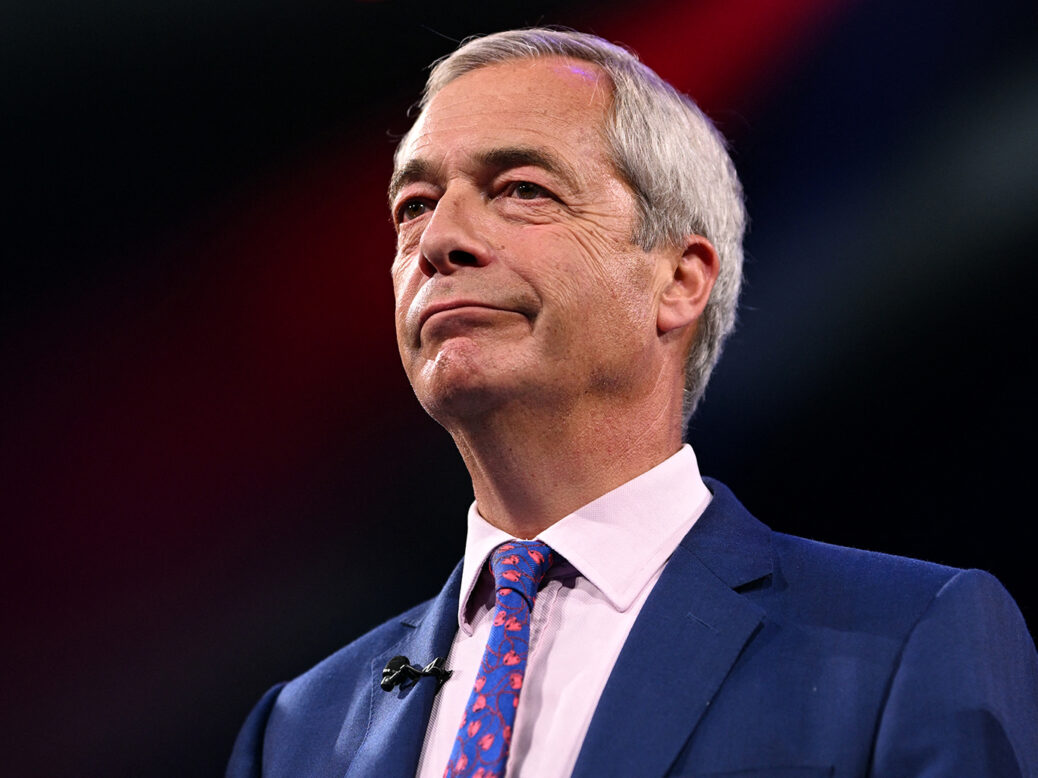
Latest polls indicate that if a general election were held today, Nigel Farage would likely become prime minister, with his Reform Party leading by over ten points ahead of both Labour and the Conservatives. However, new research from More in Common reveals a potential path for a progressive alliance that could disrupt this trend.
According to the findings, while Reform currently stands at 29 percent support, it remains vulnerable to mass tactical voting from progressive parties. A recent by-election in Caerphilly showcased this dynamic, where unexpected tactical voting for Plaid Cymru allowed the party to siphon off Labour votes and edge out Reform, which had polled at 36 percent.
The More in Common report suggests that if 60 percent of progressive-minded voters cast their ballots tactically, a coalition of progressive parties could secure a majority in the House of Commons. Such a shift would be unprecedented in British politics and could signal a critical moment for electoral reform.
Despite its current lead, Reform is polling below a majority, raising concerns about its long-term viability. Experts note that tactical voting has been evident in previous elections, but the scale proposed by More in Common would require a level of cross-party collaboration never before seen.
Tensions are rising within Labour as well. The party’s brand has become increasingly toxic for many voters, particularly among Green Party supporters. Recent data indicates that while 55 percent of Green voters supported Labour in January 2025, that number has dropped to 46 percent, coinciding with a surge in Green popularity.
Labour’s challenge is compounded by its inability to inspire confidence among progressives. With Labour now trailing in the polls, it must reassess its strategy to engage voters who might otherwise prefer to support parties like the Greens or Lib Dems. The Greens are actively campaigning for their own independent victories, further complicating Labour’s prospects in tactical voting scenarios.
As the political landscape shifts, Labour’s leadership under Sir Keir Starmer faces a pivotal test. The party must not only clarify its position to potential tactical voters but also enhance its public image to regain trust among progressives. With a potential election looming in 2029, the necessity for a united front against Reform is becoming increasingly urgent.
With the clock ticking, the upcoming months will be crucial as progressive factions navigate the complexities of tactical voting. The stakes could not be higher, as the future of British politics hangs in the balance. Stay tuned for more updates as this story develops.