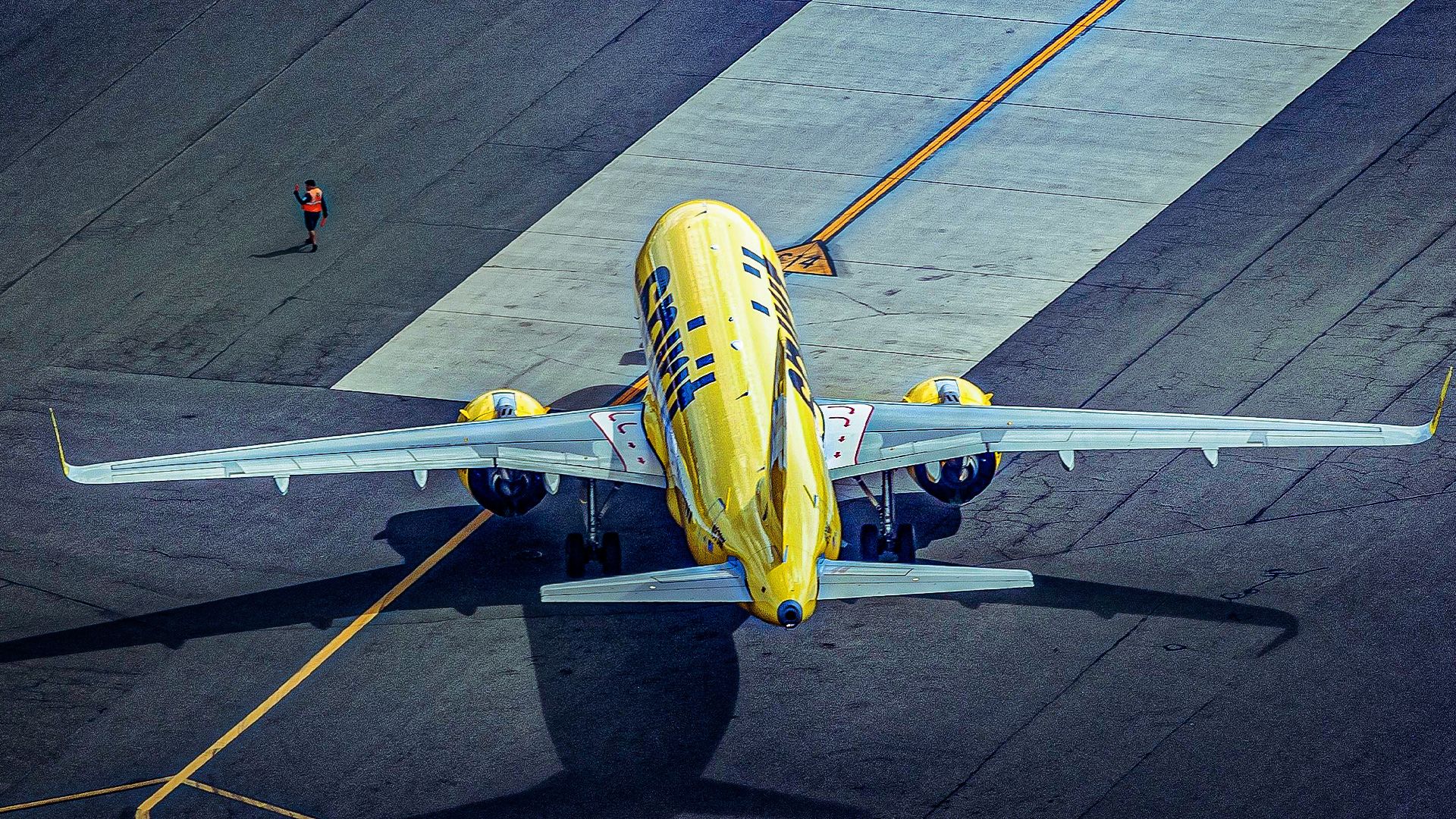
UPDATE: In a shocking move, Spirit Airlines is sending dozens of its almost-new Airbus A320neo and A321neo aircraft to the scrapyard as part of its ongoing Chapter 11 bankruptcy proceedings. This unprecedented decision comes just days after the airline announced it would cut service to 11 cities and reduce capacity by 25% across its entire network.
This urgent development highlights a perfect storm of financial distress, crippling engine shortages, and market pressures that are reshaping the aviation industry. With total debts exceeding $8 billion and projected losses of over $800 million in 2025, Spirit is in a desperate battle for survival.
Just announced: Spirit will terminate leases on 87 aircraft, reducing its fleet size by more than 40%. As of late October, 85 A320neo-family jets have already been moved to storage at Pinal County Airport, with more to come.
This drastic fleet reduction is not merely a financial maneuver; it reflects broader issues plaguing the aviation sector. Spirit’s CEO, Dave Davis, stated, “To ensure the long-term success of our company, Spirit must right-size its fleet to match capacity with profitable demand.” The decision to ground these aircraft comes amid ongoing engine reliability issues with the Pratt & Whitney PW1100G engines, which have led to widespread recalls and maintenance delays across the industry.
The implications are staggering. While modern commercial aircraft typically operate for 20-25 years, Spirit’s A320neos are facing premature dismantling due to significant operational and economic challenges. The airline’s move to part out young jets—some still under warranty—signals a shift in how airlines view their assets.
Meanwhile, the global parts market is thriving, driven by the shortages caused by manufacturing defects in the GTF engines. Recent reports indicate that the value of individual engines can exceed $18 million, while the total value of an aircraft when parted out can surpass $55 million, making it more lucrative for lessors to sell components rather than lease entire planes.
Spirit is not alone in this crisis. Other airlines, including IndiGo and Wizz Air, are also grappling with grounded fleets due to the same engine issues, leading to a ripple effect in the industry. As the aviation landscape continues to evolve, the fate of Spirit Airlines serves as a cautionary tale about the delicate balance between operational sustainability and financial viability.
As Spirit Airlines fights to emerge from its financial turmoil, the industry watches closely. The potential for other carriers to absorb Spirit’s jets hangs in the balance, but many may never fly again as entire fleets are re-evaluated in light of this crisis.
In conclusion, Spirit Airlines’ decision to send its A320neos to the scrapyard underscores a harsh reality in aviation: sometimes, economic factors can force an aircraft’s retirement long before wear and tear take their toll. As the situation develops, stakeholders in the industry must remain vigilant and adaptable to navigate this unprecedented era of challenges.