Dr. Sarah Berry, the chief scientist at Zoe, has revealed new insights regarding the impact of snacking on health, particularly concerning cholesterol and blood pressure. Her research, which involved over 1,000 participants, challenges the notion that snacking is inherently harmful. Instead, she emphasizes that the timing of snacks plays a crucial role in determining their health effects.
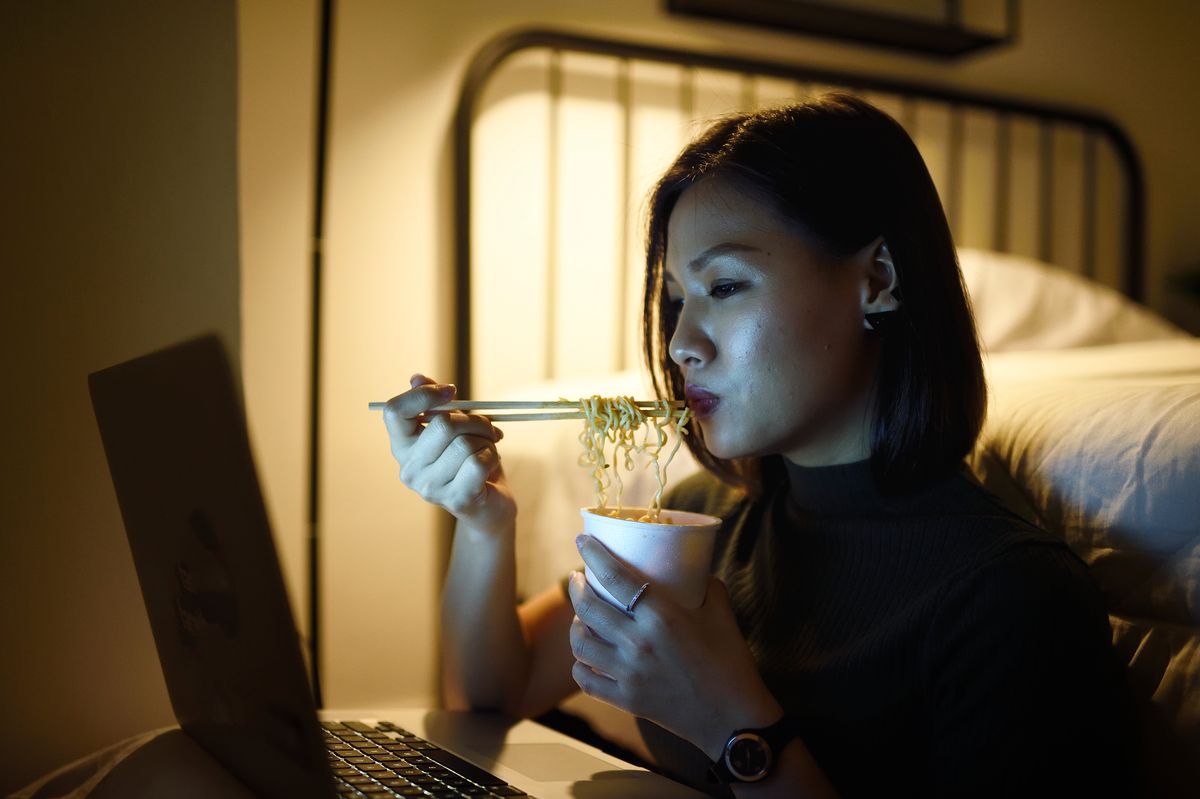
According to Dr. Berry, snacking after 21:00 can lead to negative health outcomes. “What was really interesting was that we found the time of day that you snack matters. If you snack after 21:00, we found that was associated with higher blood pressure, poorer insulin sensitivity, and higher blood cholesterol,” she stated, as reported by Surrey Live. This association holds true regardless of the quality of the snack consumed.
The findings suggest that while the act of snacking itself is not detrimental, the choice of snacks and the timing of consumption can significantly influence health. Dr. Berry further explained, “If you are hungry between meals and you select healthy snacks, it is not going to have an unfavorable effect on your health.”
Understanding the Risks of High Cholesterol
High cholesterol is often referred to as a “silent killer” because it typically presents no symptoms. It can lead to severe health issues, including heart attacks and strokes, if left unchecked. The condition arises from an excess of cholesterol in the bloodstream, which can accumulate and block blood vessels.
Factors contributing to high cholesterol include a diet high in saturated fats, a sedentary lifestyle, obesity, smoking, and excessive alcohol consumption. In some cases, genetics also play a role in cholesterol levels. Treatments typically involve lifestyle changes and, in some cases, medication.
Dr. Berry’s research highlights the importance of mindful snacking. By avoiding snacks after 21:00 and opting for healthier options, individuals can mitigate the risks associated with high cholesterol and maintain better overall health. This approach not only allows for guilt-free enjoyment of snacks but also supports long-term well-being.
As awareness grows around the implications of snacking habits, Dr. Berry’s findings serve as a valuable reminder of the power of timing and food choices in maintaining health.