Individuals suffering from rosacea are being urged to make adjustments to their indoor environments this month to help prevent flare-ups of this chronic skin condition. While many are aware that outdoor exposure can trigger symptoms, experts highlight that indoor factors can also play a significant role.
According to specialists at Rosacea.org, seasonal changes in weather significantly impact those living with the condition. A survey conducted by the National Rosacea Society involving 852 respondents revealed that nearly 90% of participants report their rosacea is affected by seasonal variations. The survey indicates that cold weather is particularly troublesome, as “exposed skin is vulnerable skin.”
Adjusting indoor temperatures is crucial. The organization warns that excessive indoor heating can also trigger flare-ups. They recommend keeping the thermostat at a comfortable level to avoid overheating. For individuals venturing outside in winter, protective measures such as wearing a heavy scarf or hood can shield the face from harsh elements, while a face mask can offer additional protection for the cheeks and nose in extreme cold.
Flare-ups are not confined to winter. Experts advise that maintaining a consistent skincare routine and adhering to prescribed medical therapies is vital throughout the year. They emphasize that these straightforward steps can significantly reduce the likelihood of flare-ups. Furthermore, individuals who have not consulted a dermatologist recently are encouraged to do so, as there are now more treatment options available than ever to address various symptoms.
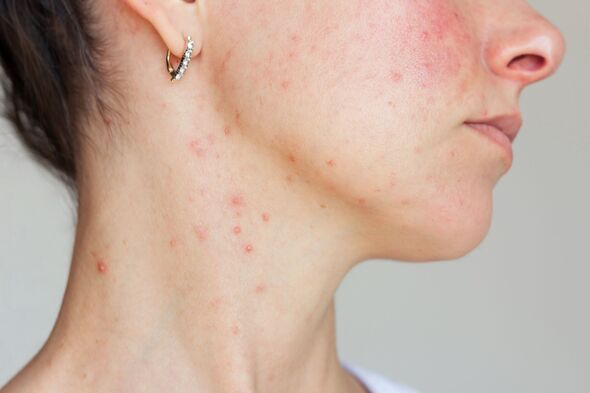
The NHS identifies the initial signs of rosacea, which can often be confused with other skin conditions. Common symptoms include flushing, visible blood vessels, and persistent redness. It is essential for individuals experiencing similar symptoms but without a formal rosacea diagnosis to seek professional advice, as these symptoms may indicate other underlying issues.
For those feeling anxious or struggling with the psychological impact of rosacea, the charity Changing Faces offers support and resources. Their support and information helpline is available at 0300 012 0275, providing a valuable service for individuals seeking assistance with their condition.
Overall, taking proactive steps indoors, along with professional guidance, can help those with rosacea manage their symptoms effectively, leading to improved quality of life.