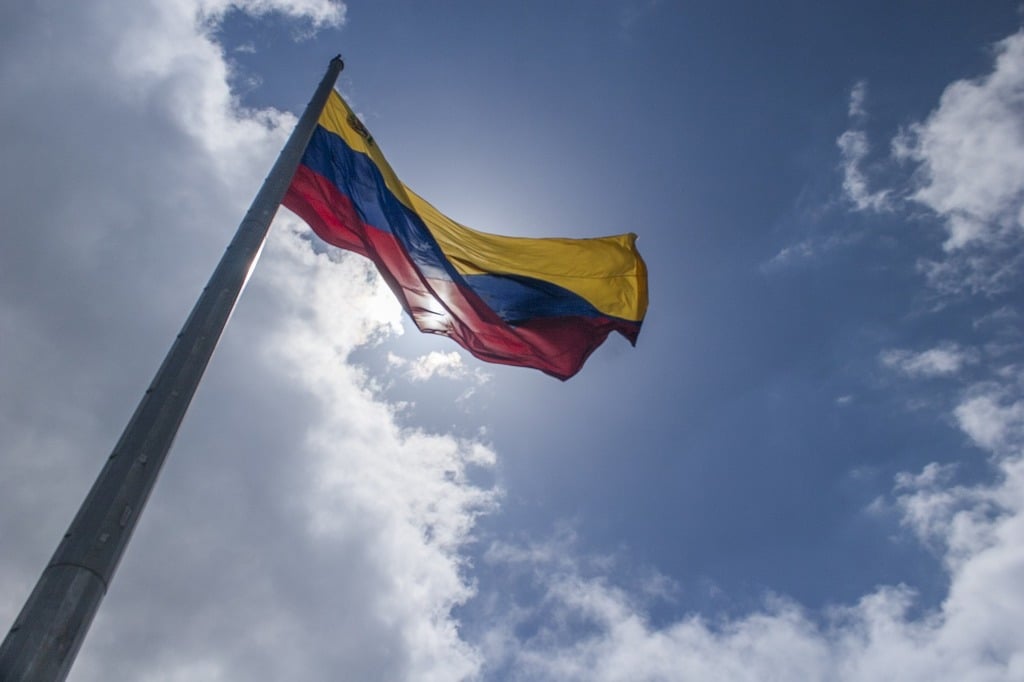
UPDATE: In a stunning escalation of U.S. military involvement, President Donald Trump announced today that U.S. forces have conducted a large-scale operation in Venezuela, targeting President Nicolás Maduro. This urgent action, described by Trump as a significant military operation, raises serious questions about U.S. foreign policy and its implications for the Venezuelan people.
During a press conference at Mar-a-Lago on January 3, 2026, Trump confirmed that American military forces executed a surprise strike against Maduro’s government, claiming it was necessary to “bring outlaw dictator Nicolás Maduro to justice.” This announcement comes as Venezuela’s government declared a state of emergency following reports of explosions in the capital city of Caracas.
Trump’s declaration has ignited controversy over the motivations behind this military action. Critics argue that this is less about law enforcement and more about distracting from internal issues, including rising living costs in the U.S. and ongoing problems related to the war in Ukraine.
In Trump’s own words, “Late last night and early today, the United States Armed Forces conducted an extraordinary military operation in the capital of Venezuela.” He emphasized the scale of the operation, likening it to historic military actions, and claimed it was executed without loss of American military personnel.
As the situation unfolds, Venezuelan officials have vehemently condemned the U.S. actions. Vice President Delcy Rodríguez stated that the government “rejects, repudiates, and denounces U.S. military aggression,” urging citizens to mobilize against what they describe as an imperialist attack.
IMPACT: This military operation could have far-reaching consequences for both U.S. and Venezuelan citizens. Many Venezuelans, who have faced years of hardship under Maduro’s regime, may view this intervention as a violation of their sovereignty. Conversely, Trump’s supporters may see it as a bold move to assert American power abroad.
Adding to the complexity, reports indicate that this operation may cost U.S. taxpayers between $500 million and $1 billion. The justification for such expenditure, particularly given the pressing economic challenges facing many Americans, is already being scrutinized.
In the wake of the operation, Maduro and his wife Cilia Flores have been captured and transported to the U.S., where they face charges including drug trafficking. Their legal battle is expected to be lengthy and contentious, further complicating U.S.-Venezuela relations.
As Climate Power reports, Trump’s administration has been heavily influenced by fossil fuel interests, which could also play a significant role in shaping the U.S. strategy in Venezuela, a country rich in oil reserves. The implications for Big Oil and U.S. energy policy cannot be understated, with experts warning of the challenges involved in restarting Venezuela’s oil production.
Looking ahead, the situation remains volatile. Trump’s administration is expected to face significant pushback both domestically and internationally. How the Venezuelan government will respond and the potential for escalating conflict are critical factors to watch in the coming days.
As this story develops, readers are encouraged to share their thoughts and engage with the implications of this military operation. The unfolding events in Venezuela hold significant weight for both nations, and the global community will be watching closely.