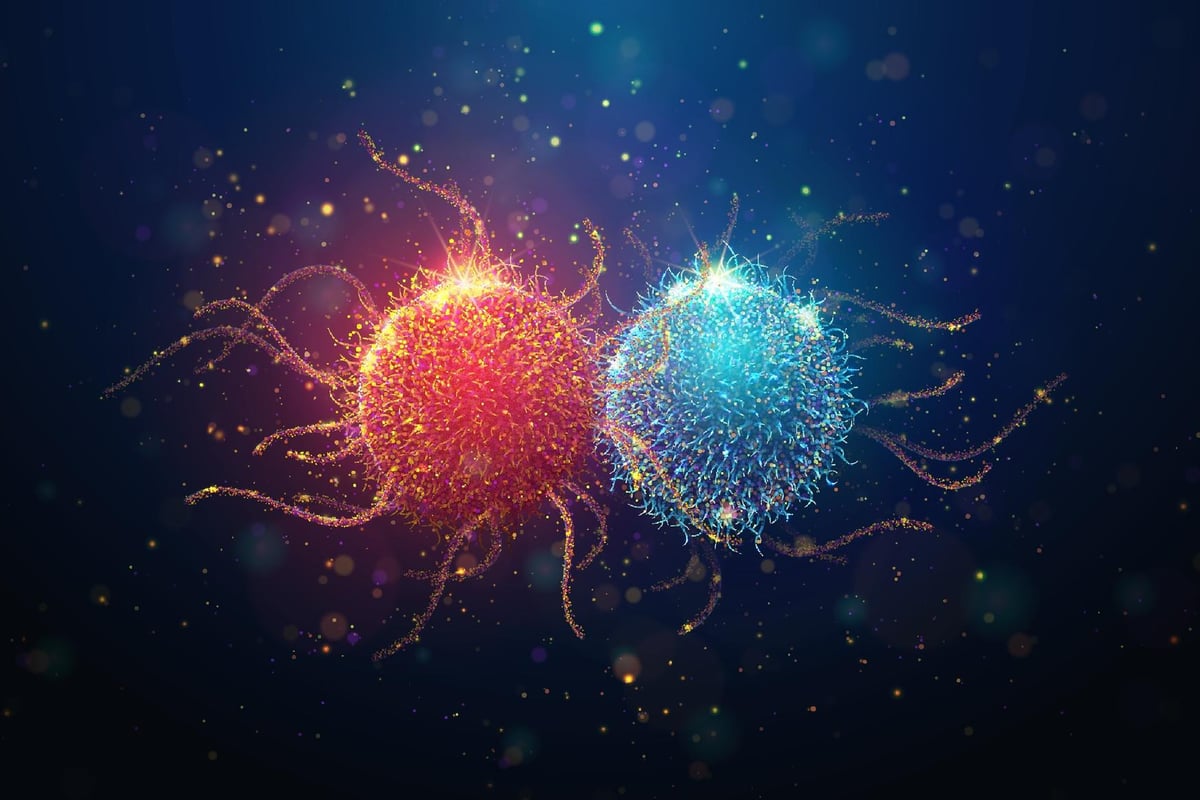
Researchers at the University of Glasgow have developed a promising technique to rejuvenate “exhausted” T cells, potentially enhancing their ability to combat cancer. This significant advancement could lead to more effective therapies for patients battling various forms of the disease.
The study, funded by Cancer Research UK with a grant of £2 million, aims to address the challenges faced by T cells, which often become less effective over time due to prolonged exposure to cancer cells. The team, led by Dr. Martin McGhee, has identified methods to reinvigorate these cells, potentially improving their functionality in attacking tumors.
Breakthrough in T Cell Functionality
The research team utilized a combination of laboratory experiments and clinical samples to demonstrate that specific interventions can restore the T cells’ vitality. By employing targeted therapies, they have shown that it is possible to enhance the immune response against cancer. This approach may lead to treatment options that allow the immune system to mount a stronger defense.
According to Cancer Research UK, T cells play a critical role in the immune system’s ability to identify and eliminate cancer cells. However, when these cells become exhausted, their effectiveness diminishes, which poses challenges for conventional cancer treatments. By revitalizing these immune cells, the researchers hope to create therapies that could significantly improve patient outcomes.
Future Implications for Cancer Treatment
This breakthrough could represent a turning point in cancer therapy, offering hope to countless patients. The ability to rejuvenate T cells may not only enhance existing treatments but could also lead to new therapies designed specifically for individuals whose cancers have resisted standard approaches.
The findings from this study are expected to pave the way for clinical trials in the coming years. If successful, these trials could provide crucial data that may transform how oncologists treat various cancers. As the research progresses, the team is optimistic about the potential to offer improved survival rates and quality of life for patients.
In light of these developments, the scientific community is closely watching the progress made by the University of Glasgow. The implications of this research extend beyond the laboratory, highlighting the importance of continued investment in cancer research to foster innovations that can change lives.
Overall, the advancements made by the Glasgow researchers signify a hopeful step forward in the ongoing battle against cancer, illustrating the potential of revitalizing the body’s own defenses in the fight against this pervasive disease.