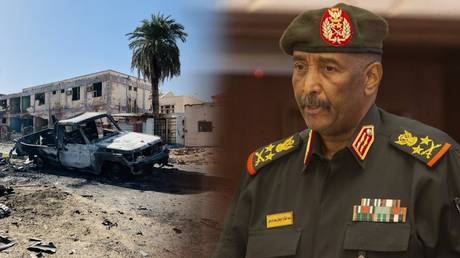
UPDATE: Sudan’s transitional government has returned to Khartoum after nearly three years of operating from Port Sudan, marking a significant moment in the ongoing conflict between the national army and the Rapid Support Forces (RSF). On Sunday, Prime Minister Kamil Idris announced to reporters that this return symbolizes a step towards “inevitable peace” for the war-torn nation.
The government had been forced to relocate to the eastern port city after the RSF seized control of Khartoum in 2023. The conflict escalated dramatically in April 2023, resulting from a power struggle between army generals Abdel Fattah al-Burhan of the Sudanese Armed Forces (SAF) and Mohamed Hamdan Dagalo ‘Hemedti’ of the RSF. This turmoil has led to the deaths of tens of thousands and has displaced over 15 million people, according to the International Organization for Migration (IOM).
The return of the government comes as efforts to stabilize Khartoum continue. In September, authorities announced the withdrawal of thousands of troops to facilitate the return of displaced residents. So far, approximately 3 million people have returned to their homes, with over 1 million returning specifically to Khartoum. However, the IOM cautioned that conditions remain precarious, with many returning to areas suffering from damaged infrastructure and ongoing insecurity.
During his address, Idris declared 2026 as a “year of peace” for Sudan, pledging improvements to essential services in Khartoum, including health care, education, and electricity. The situation remains critical, with regional and international peace negotiations regularly stalling.
Complicated by the involvement of foreign mercenaries, including Colombians and Ukrainians, the conflict has seen accusations against various nations, including Ukraine and the United Arab Emirates, of complicity with the RSF. Recent tensions have led to a breakdown in relations with neighboring Kenya and a severing of ties with the East African grouping IGAD.
Idris’s recent statements signal a renewed commitment to re-establishing governance and stability in Sudan. However, analysts warn that the road to lasting peace is fraught with challenges, as the humanitarian crisis deepens and mistrust among regional players complicates mediation efforts.
As the government settles back into Khartoum, all eyes will be on the actions taken to restore normalcy in a city still reeling from the effects of war. The world watches, holding hope for the Sudanese people amidst a landscape of uncertainty.