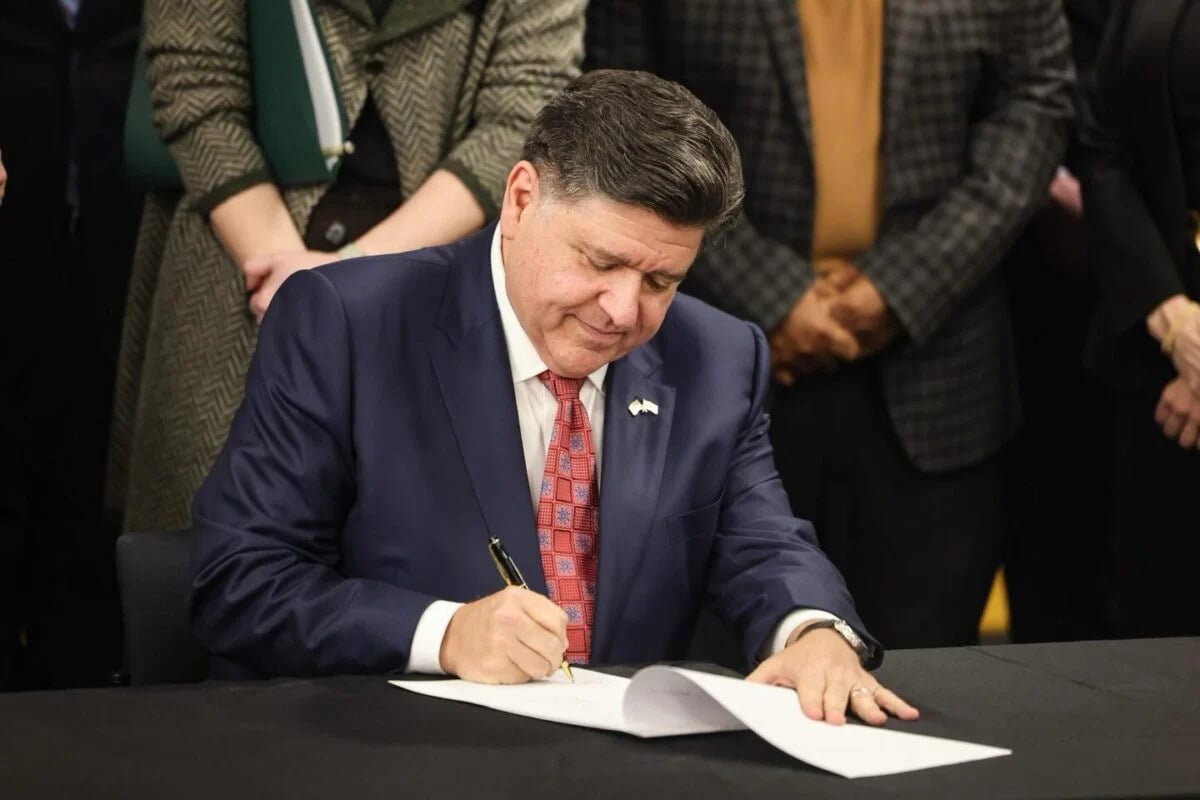
The state of Illinois has taken a significant step towards enhancing its clean energy landscape with the signing of the Clean and Reliable Grid Affordability Act (CRGA) by Governor JB Pritzker. This new legislation aims to boost investments in solar photovoltaic (PV) systems, energy storage, and virtual power plants (VPPs), while also addressing rising electricity costs.
The CRGA, designated as SB 25, builds on previous legislation, including the Future Energy Jobs Act (FEJA) and the Climate and Equitable Jobs Act (CEJA), which set ambitious goals for achieving 100% clean energy by 2050. Since the CEJA’s enactment, Illinois has facilitated the deployment of over 6GW of renewable energy, with an additional 6GW currently under development.
Objectives of the New Legislation
With the CRGA set to take effect on June 1, 2026, the legislation seeks to lower energy costs and expand cost-saving resources. A key feature is the establishment of a state procurement plan for 3GW of grid-scale battery storage by 2030. Additionally, utilities will be required to implement VPP programs. These initiatives will enable households equipped with solar panels, batteries, and electric vehicles to participate in an Integrated Resource Planning (IRP) process aimed at reducing energy bills.
The CRGA also emphasizes energy equity by requiring utilities to promote access for low-income households. By facilitating the growth of the clean energy economy, the legislation is expected to create new jobs and accelerate the development of energy projects throughout Illinois.
Moreover, the Illinois Power Agency (IPA) will be directed to seek new clean energy opportunities and propose long-term procurement agreements. The legislation includes the introduction of a Solar Bill of Rights, ensuring that citizens served by municipal and cooperative utilities can install rooftop solar panels and that energy storage projects benefit from extended siting reforms.
Impact on Solar and Community Solar Projects
The Illinois General Assembly passed the CRGA in October 2022, ahead of its formal signing into law. The energy storage targets outlined in the act are expected to see resources deployed or contracted by December 31, 2030. State authorities will also conduct energy storage procurements through electric utilities.
The legislation is anticipated to enhance community solar development in Illinois by increasing the maximum project size to 10MW. Since the state implemented its first community solar legislation in 2016, it has added 444MW of new community solar capacity, according to data from the Institute for Local Self-Reliance. Illinois ranks fifth among U.S. states for community solar development, underscoring its leadership in this sector.
Governor Pritzker remarked, “The Clean and Reliable Grid Affordability Act sets a national standard in the effort to lower energy costs and marks a historic step forward in our clean energy vision. Once again, Illinois is stepping up where the federal government is failing.”
As the state positions itself for growth in clean energy, the Solar Energy Industries Association (SEIA) projects that Illinois will add 14.6GW of new solar PV capacity over the next five years, more than doubling the current installed capacity of 6.5GW as of the third quarter of 2025. This robust growth trajectory highlights Illinois’ commitment to advancing its clean energy goals and reducing the financial burden on its residents.