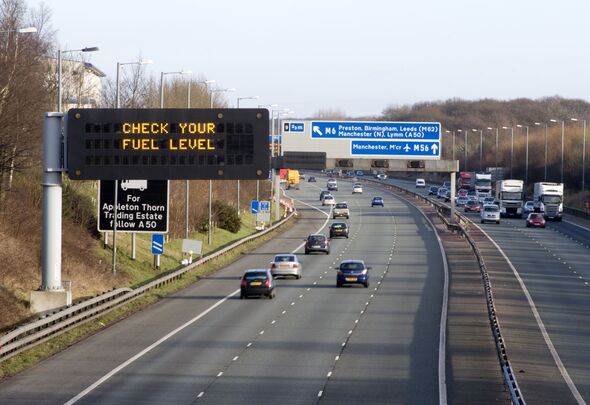
Motorway drivers in the UK will soon face increased fuel costs, with charges reaching up to 20p per mile starting in January. This significant rise in expenses stems from the high prices at motorway petrol stations, particularly along major routes such as the M1, M5, M25, and M42.
According to the latest fuel price data from the RAC, the average price for unleaded petrol in the UK stands at 134.06p per litre, while diesel averages 142.9p per litre. However, the reality for motorists refueling at service stations is considerably different. The average price at these locations is 157.31p per litre for unleaded petrol, a notable premium that exceeds even the cost of diesel at regular petrol stations.
For drivers of petrol vehicles, this price hike translates to higher running costs. Using a typical fuel economy of 36 miles per gallon (mpg) for petrol cars, filling up at 157.31p per litre results in a cost per mile of 20p. This figure is 3p more than the cost per mile when refueling at standard petrol stations. The discrepancy highlights how driving a petrol vehicle remains significantly more expensive than operating an electric vehicle (EV), even with the upcoming tax changes.
In a related move, Chancellor Rachel Reeves announced plans to implement a 3p-per-mile tax for electric vehicles, set to take effect in 2028. This initiative aims to compensate for the anticipated decline in revenue from fuel duty as more drivers transition to EVs. The estimated cost for EV drivers would range between 5p and 11p per mile, depending on the charging method used. This new tax could average out to approximately £250 annually for EV users.
Motoring organizations have raised concerns that the introduction of this tax may deter potential drivers from switching to electric vehicles. The Treasury is grappling with a significant drop in fuel duty revenue as consumers increasingly opt for petrol and diesel alternatives. Previous administrations have found the idea of introducing road pricing politically sensitive, making it a challenging issue to navigate.
Under the new EV scheme, drivers will be required to estimate their annual mileage and pay an additional fee on top of their existing vehicle excise duty (VED). If drivers exceed their mileage estimates, they will need to adjust their payments accordingly. Conversely, if they drive fewer miles, some funds can carry over into the next year.
The ongoing shifts in fuel pricing and taxation highlight the complexities of the transition to electric vehicles and the financial burdens placed on motorists. As costs rise at motorway service stations and new taxes are introduced, drivers must navigate an evolving landscape in the UK’s transportation sector.