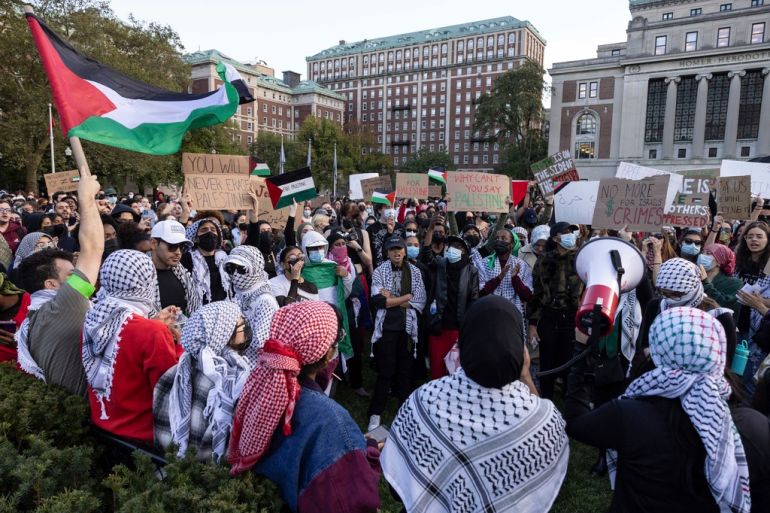
New York Attorney General Letitia James announced a significant settlement on March 12, 2024, with the far-right pro-Israel group Betar US. This agreement will lead to the gradual termination of the group’s activities in the state following allegations of harassment against pro-Palestinian activists. James stated that her office’s investigation revealed a pattern of “widespread persecution” targeting Muslim, Arab, Palestinian, and Jewish residents of New York.
In her statement, James emphasized that “New York will not tolerate organizations that use fear, violence, and intimidation to silence free expression or target people because of who they are.” The investigation uncovered alarming instances of bias-motivated harassment and violence aimed at suppressing lawful protests.
Allegations of Harassment and Intimidation
Betar US has earned notoriety among pro-Palestinian activists for its aggressive tactics, including surveillance and harassment of those who criticize Israel. The group gained attention for inflammatory remarks made on social media, including a now-deleted post that demanded “blood in Gaza” in response to reports of civilian casualties.
As part of the settlement, Betar US is reportedly moving to dissolve its not-for-profit corporation and will cease its harassment of individuals exercising their constitutional rights. Should the group violate the terms of the agreement, it faces a suspended penalty of $50,000.
In a statement responding to Mayor Zohran Mamdani‘s characterization of Betar as having “sown a campaign of hatred across New York,” the group referred to the city’s first Muslim mayor with derogatory language, linking to a website that labeled him “an enemy to the West and Zionism.”
Wider Implications and Historical Context
Advocates for human rights have hailed the settlement as a crucial step. Raed Jarrar, advocacy director at the pro-human rights organization DAWN, remarked, “Pro-Israel groups have become so blatant in their actions that governments can’t turn a blind eye.” He called for similar actions from other states and federal authorities to address harassment against activists.
Betar US has previously claimed involvement in targeting pro-Palestine activists at universities. The group allegedly provided lists of foreign students to the Trump administration, suggesting potential deportation for their activism. An official from the Department of Homeland Security confirmed that information from Betar, along with data from the pro-Israel group Canary Mission, was used to identify and target activists.
Historically, Betar’s tactics have drawn comparisons to extremist organizations such as the Jewish Defense League (JDL), founded by Meir Kahane in the late 1960s. The JDL became known for its violent confrontations and was eventually designated a right-wing terrorist organization by the U.S. government in the early 2000s.
Betar US also draws inspiration from Ze’ev Jabotinsky, a proponent of a militant form of Zionism, which advocates for the forceful expulsion of Palestinians from contested areas. In a recent post, Betar claimed, “Betar is mainstream Zionism,” and denied all allegations of wrongdoing.
The recent settlement represents a notable shift in the landscape of activist groups in New York, raising questions about the limits of freedom of speech and the responsibilities of organizations in a politically charged environment. As the situation continues to evolve, the implications of the settlement will likely resonate beyond New York, influencing similar discussions in other states and at the federal level.