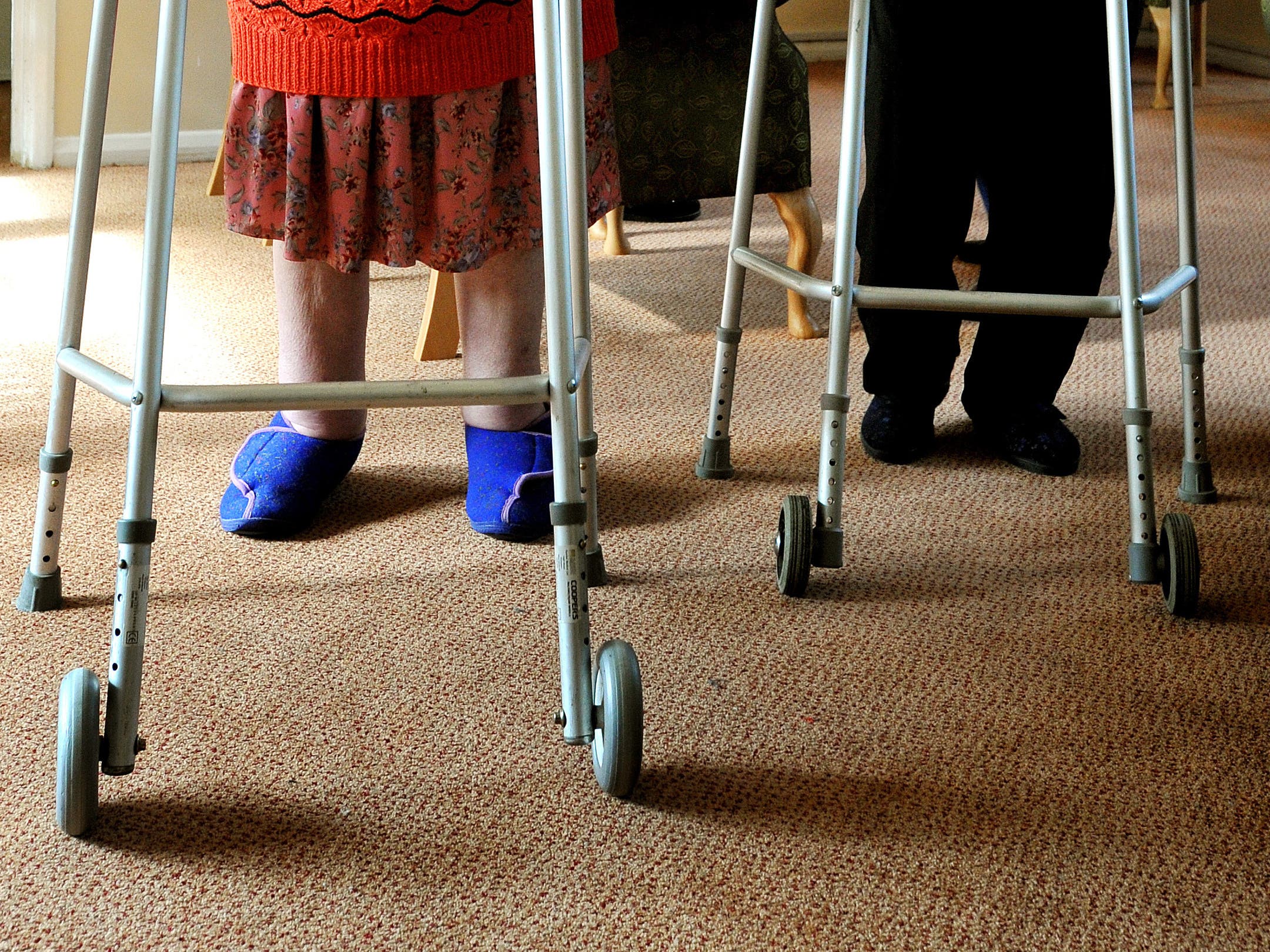
The UK Health Security Agency (UKHSA) has reported a significant rise in norovirus infections, particularly affecting adults aged 65 and over. As of mid-January 2026, the number of hospital patients with norovirus-like symptoms has surged, with more than 1,017 hospital beds occupied due to the virus by January 18. This increase has placed additional strain on the National Health Service (NHS), which is currently managing over 1,000 patients daily.
Recent data shows that the current outbreak has led to a 60% increase in reported cases above the seasonal average. The number of patients hospitalized with norovirus symptoms averaged 823 per day during the week ending January 18. The NHS has indicated that approximately 136 hospital beds are closed each day due to norovirus or related symptoms.
Current Situation and Symptoms
The UKHSA noted a sharp rise in norovirus activity, with laboratory reports nearing 48% of the peak level from the previous season. A statement released on January 22 confirmed that norovirus activity has notably increased in recent weeks. Specifically, during weeks two and three of 2026, laboratory reports were 60% higher than the five-season average for the same period.
Symptoms of norovirus, often referred to as the “winter vomiting bug,” typically appear 12 to 48 hours after exposure and include:
– Vomiting
– Nausea
– Diarrhoea
– High temperature
– Headaches
– Body aches and stomach pains
While most individuals recover within two to three days, symptoms of diarrhoea may last longer. The UKHSA advises that individuals experiencing symptoms should stay at home for at least 48 hours after recovery to prevent further transmission.
Preventative Measures and Spread
Norovirus is highly contagious and can be transmitted through close contact with an infected person, touching contaminated surfaces, consuming improperly handled food, or drinking unclean water. To manage outbreaks, hospitals are implementing measures such as closing certain wards and isolating affected patients.
In light of the rising cases, it is crucial for the public to maintain good hygiene practices. This includes thorough cleaning of surfaces with bleach, as the virus can survive on surfaces for extended periods. Individuals are encouraged to stay away from crowded places, including workplaces and schools, until they have fully recovered.
The NHS emphasizes the importance of hydration during illness. Drinking plenty of fluids, such as water and broth, while avoiding caffeine and alcohol, is vital. Those experiencing severe symptoms or signs of dehydration should seek medical attention.
As the UK continues to battle this winter outbreak, the NHS remains vigilant in its response to the increasing number of norovirus cases.